Understanding Mouth pH: What Your Saliva Reveals About Oral Health

Key Facts
- Normal saliva pH range is approximately 6.2 to 7.6.
- Enamel demineralization begins when oral pH falls below 5.5.
- Saliva neutralizes acids and supports enamel remineralization.
- Frequent sugar intake lowers mouth pH within minutes.
- Dry mouth increases the risk of prolonged acidic conditions.
- Acidic beverages can directly reduce oral pH.
- Balanced oral pH reduces cavity risk and protects enamel.
- Hydration and proper oral hygiene help maintain healthy saliva pH.
The pH of saliva is not something most people think about yet it plays a central role in protecting teeth, controlling bacteria, and preventing cavities.
If you’re looking for pH of saliva or saliva pH range, you’re likely trying to understand whether acidity in the mouth affects dental health. The short answer: it does — significantly.
This guide explains what saliva pH means, what range is considered healthy, what lowers it, and how to maintain balance.
What is pH and why does it matter in the mouth?
pH indicates how acidic or basic (alkaline) a substance is. It is measured on a scale that ranges from 0 to 14:
- Below 7 → Acidic
- 7 → Neutral
- Above 7 → Alkaline
Your mouth is a dynamic environment. Food, bacteria, saliva flow, and oral hygiene habits constantly influence its pH. When oral pH drops too low (becomes acidic), tooth enamel begins to weaken.
What is the normal saliva ph range?
The normal saliva pH range in a healthy adult typically falls between:
6.2 to 7.6
- Resting saliva pH: around 6.7
- Stimulated saliva (after chewing): can rise closer to 7.4
This slightly neutral to mildly alkaline environment helps protect teeth.
If saliva pH falls below 5.5, enamel demineralization can begin. This threshold is often referred to as the “critical pH” for tooth enamel.
Why saliva pH is important for teeth?
Saliva is not just moisture; it is a protective system.
It helps to:
- Neutralize acids produced by bacteria
- Wash away food particles
- Supply minerals like calcium and phosphate
- Support enamel remineralization
When the pH of saliva remains balanced, teeth are more resistant to decay. When it remains acidic for prolonged periods, the risk of cavities increases.
What causes low mouth pH?
Several everyday factors can reduce oral pH:
1. Sugary and Starchy Foods
Bacteria in dental plaque break down sugars and release acid as a by-product. This acid lowers mouth pH within minutes of eating.
2. Acidic Drinks
Carbonated beverages, packaged fruit juices, sports drinks, and citrus drinks can directly reduce oral pH.
3. Dry Mouth (Reduced Saliva Flow)
Saliva naturally buffers acids. If saliva production is low, acid clearance slows down.
Common causes include:
- Dehydration
- Certain medications
- Mouth breathing
- Medical conditions affecting salivary glands
4. Poor Oral Hygiene
Plaque accumulation increases acid-producing bacteria.
What happens when oral ph stays low?
If acidity persists, you may notice:
- Tooth sensitivity
- Chalky white spots on teeth
- Increased cavities
- Enamel erosion
- Bad breath
Over time, chronic acidic conditions can lead to visible enamel thinning and structural damage.
Can mouth pH become too alkaline?
Yes — although less common.
Highly alkaline saliva may contribute to tartar (calculus) formation. This occurs when minerals in saliva precipitate and harden plaque deposits.
When a substance is either too acidic or too alkaline, it can upset the natural balance in the mouth.
How to maintain a healthy saliva pH?
Maintaining balanced oral pH is largely habit-driven.
1. Limit Frequent Sugar Intake
It is not just the amount of sugar, but the frequency of exposure that matters.
2. Rinse After Acidic Foods
Plain water helps dilute and neutralize acids.
3. Avoid Brushing Immediately After Acid Exposure
Wait for 30 minutes after drinking acidic beverages before brushing your teeth. Brushing immediately may increase enamel wear.
4. Stimulate Saliva Flow
Chewing sugar-free gum can increase saliva production.
5. Stay Hydrated
Water supports healthy saliva production.
6. Maintain Routine Oral Hygiene
Brushing twice daily and flossing reduces acid-producing bacteria.
Can you test your saliva pH at home?
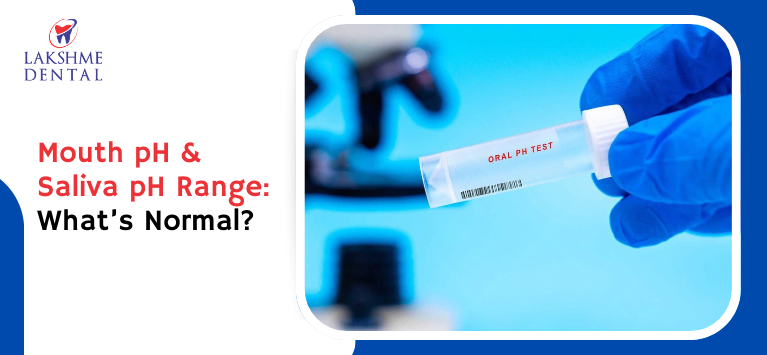
Yes, pH strips are available for home use. These give a general estimate of saliva acidity.
However, single readings can vary throughout the day. For a meaningful assessment, multiple readings at different times are more informative.
Persistent symptoms such as sensitivity or repeated cavities warrant a professional evaluation.
When should you see a dentist?
Consider a dental consultation if you experience:
- Repeated tooth decay
- Ongoing sensitivity
- Chronic dry mouth
- Visible enamel wear
- Gum inflammation
A clinical assessment can evaluate saliva flow, enamel integrity, dietary factors, and overall oral health risk.
Key Takeaway
The pH of saliva is a quiet but powerful determinant of oral health.
A healthy saliva pH range supports enamel strength, reduces cavity risk, and maintains bacterial balance. Daily habits especially diet and hydration directly influence oral pH.
Maintaining this balance is less about extreme interventions and more about consistent preventive care.
Frequently Asked Questions
The normal saliva pH range typically falls between 6.2 and 7.6. A resting pH around 6.7 is common in healthy adults.
Tooth enamel begins to weaken when oral pH drops below approximately 5.5. This level is often referred to as the “critical pH” for enamel demineralization.
An acidic mouth may result from frequent sugar intake, acidic drinks, dry mouth, poor oral hygiene, or acid reflux. When saliva cannot neutralize acids effectively, pH drops.
Yes. Prolonged acidic conditions can thin enamel, exposing underlying dentin and leading to sensitivity, especially when consuming hot, cold, or sweet foods.
You can help restore balance by staying hydrated, reducing frequent sugar exposure, rinsing with water after acidic foods, chewing sugar-free gum, and maintaining consistent oral hygiene.
Yes. Saliva acts as a natural buffer. When saliva flow is reduced, acid clearance slows down, increasing the risk of cavities and enamel erosion.
Saliva pH strips are available for home use. However, readings can vary throughout the day, so consistent patterns are more meaningful than a single test result.