Oral Hygiene and Diabetes: What You Need to Know?

Key Facts
- Uncontrolled diabetes significantly increases the risk of gum disease and oral infections.
- Dry mouth caused by diabetes can accelerate tooth decay.
- Better oral hygiene helps support improved blood sugar control.
- Routine dental checkups are critical for early detection and prevention.
If you’re living with diabetes, managing blood sugar is just one part of the playbook. Your mouth is the other.
As a dentist, I see a clear pattern: when diabetes is poorly controlled, oral issues escalate fast. And when oral hygiene drops, blood sugar control becomes tougher.
It’s often a two-way street and that’s exactly why this topic matters.
How diabetes affects your oral health?
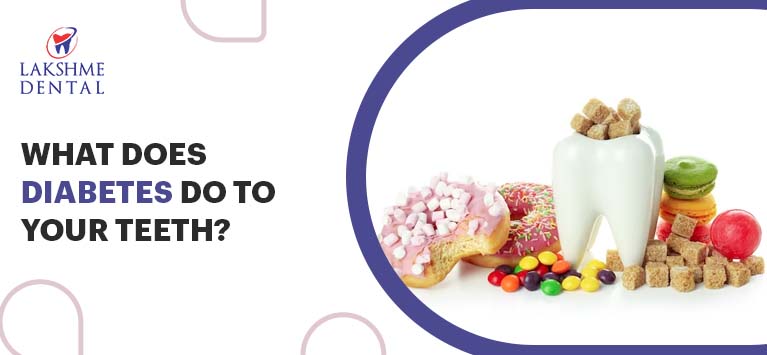
Diabetes doesn’t just change the way your body handles sugar, it also has a direct impact on your mouth. From your gums to your saliva, almost every part of your oral health is influenced by your blood sugar levels.
Here’s a clear breakdown of how diabetes affects your teeth and gums.
Raises blood sugar levels in saliva
When blood sugar is consistently high, the glucose in your saliva also increases. This creates the perfect environment for harmful bacteria to grow, increasing the risk of cavities and gum problems.
Reduces the body’s ability to fight infections
Diabetes weakens the immune response, making it harder for your gums to defend against bacteria. Even minor irritation can turn into inflammation or infection.
Slows down healing after dental procedures
Extractions, deep cleanings, or even minor gum injuries may take longer to heal because high sugar levels interfere with tissue repair.
Increases risk of gum disease
People with diabetes are much more prone to gum disease. Early-stage gingivitis can rapidly progress to periodontitis, which damages the bone and tissues supporting the teeth.
Causes dry mouth
Diabetes reduces saliva flow causing a dry mouth. Without enough saliva to wash away food particles and neutralize acids, decay and enamel erosion happen faster.
Leads to more plaque and tartar buildup
Excess sugar and reduced saliva create a sticky environment where plaque builds up quickly. If not removed, it hardens into tartar, which irritates gums and worsens gum disease.
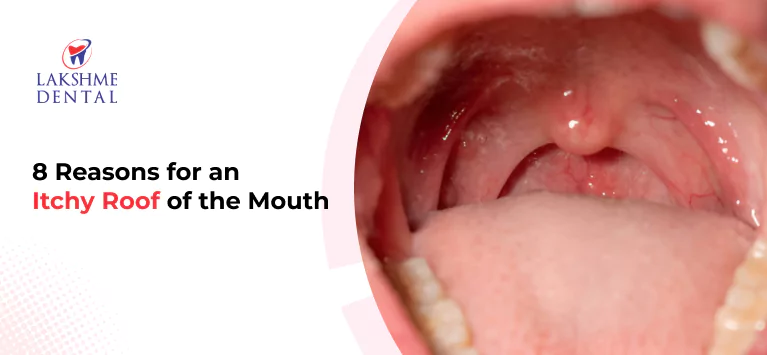
Heightens risk of oral thrush
High glucose levels help yeast organisms thrive, increasing the chances of developing oral thrush a white, patchy fungal infection that can be painful.
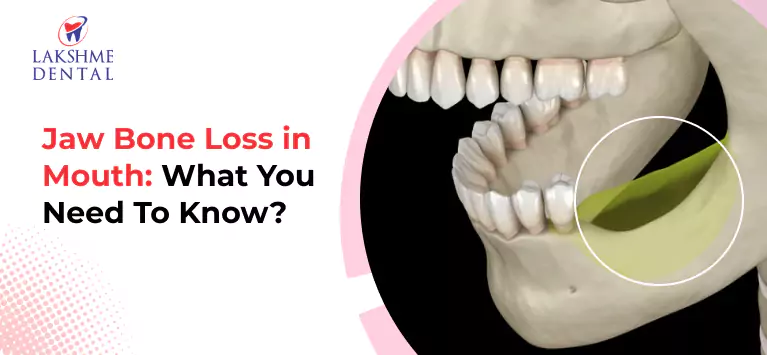
Can cause gum recession and bone loss
Advanced gum disease triggered by diabetes can shrink the gums and jaw bone loss, eventually leading to loose or lost teeth.
Makes existing dental problems progress faster
Any untreated cavity, gum issue, or infection tends to spread more aggressively in diabetic patients compared to non-diabetics.
Poor oral health worsens diabetes control
Oral infections and inflammation can increase insulin resistance, making blood sugar levels harder to manage. This creates a two-way cycle where each condition worsens the other.
Here’s the operational reality:
- High blood sugar feeds oral bacteria, accelerating plaque buildup.
- Dry mouth increases acidity, leading to cavities.
- Inflamed gums spike cortisol levels, which can push blood sugar even higher.
- Slow healing makes even small dental issues linger.
It’s a cycle but it’s absolutely preventable.
Common Oral Problems Linked to Diabetes
Gum Disease (Gingivitis & Periodontitis)
People with diabetes face a significantly higher risk of gum inflammation. Left unchecked, this progresses to bone loss and tooth mobility.
Dry Mouth (Xerostomia)
Reduced saliva is more than discomfort; it’s a fast track to decay and mouth infections.
Thrush (Fungal Infection)
High glucose levels in saliva can fuel fungal overgrowth, leading to white patches, soreness, and redness.
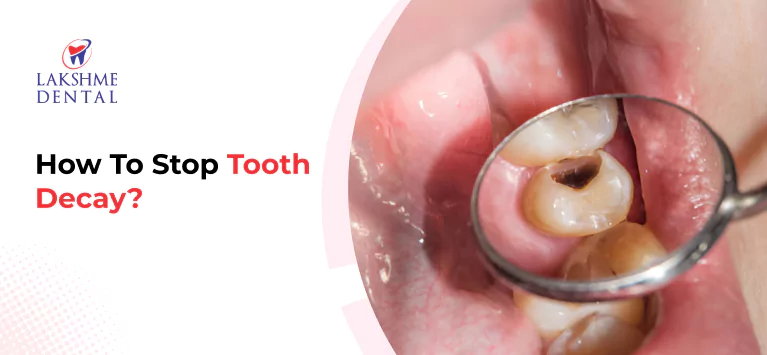
Tooth Decay
Increased acidity + reduced saliva = higher cavity risk.
Delayed Wound Healing
Extractions, deep cleanings, and even minor sores take longer to heal.
How to maintain oral hygiene when you have diabetes?
Think of this as your proactive blueprint:
Prioritize Blood Sugar Control
The cleaner your glucose range, the lower your chances of gum disease.
Brush Twice Daily Without Fail
Use a soft-bristle brush or an electric toothbrush. Focus on gentle circular motions to avoid gum irritation.
Floss Daily
Diabetes accelerates plaque buildup. Flossing helps you stay ahead of the curve.
Keep Your Mouth Hydrated
Sip water often. Sugar-free gum helps boost saliva flow.
Choose the Right Mouthwash
Look for alcohol-free options. Alcohol can worsen dryness.
Book Dental Checkups Every 6 Months
At Lakshme Dental, we recommend more frequent visits for individuals with fluctuating sugar levels.
Don’t Ignore Early Gum Symptoms
Bleeding from gums while brushing isn’t “normal.” Early action prevents major interventions.
Professional dental care for diabetic patients
At Lakshme Dental, we approach diabetic oral care with:
- High-precision gum assessments
- Deep periodontal cleanings
- Saliva flow evaluations
- Customized preventive schedules
- Patient education tailored to blood sugar patterns
The goal is risk mitigation, comfort, and long-term stability.
To Conclude
Diabetes and oral health are deeply interconnected and the more proactive you are, the more control you gain on both fronts.
Consistent hygiene, timely checkups, and good sugar management form the winning trio.
At Lakshme Dental, Tirunelveli, we support you with preventive care designed specifically for diabetic needs, so you can stay ahead of complications and protect your smile for the long run.
If anything feels off like bleeding gums, dryness, or sudden sensitivity, don’t wait. Early action always delivers better outcomes.
Frequently Asked Questions
Yes. High blood sugar fuels bacterial growth, increasing inflammation and accelerating gum breakdown.
Research shows that periodontal therapy can support better glycemic control.
When gum disease progresses untreated, yes but it’s preventable with consistent care.
Absolutely. Dry mouth and infections can create chronic halitosis.
Soft-bristle brushes, alcohol-free mouthwash, and fluoride toothpaste.