How to Remove Hardened Plaque From Teeth?

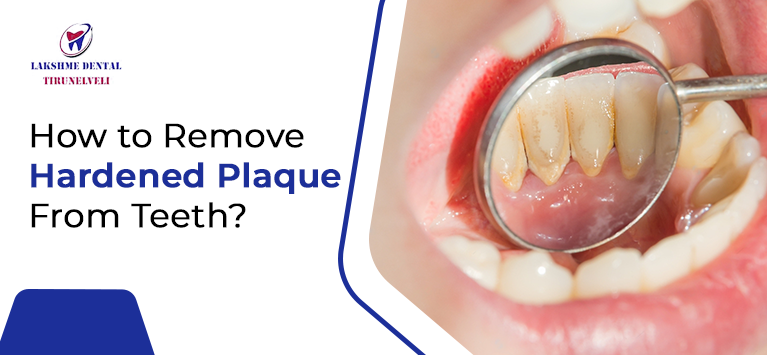
Hardened plaque, also known as tartar or calculus, is a common dental problem that cannot be removed by regular brushing alone.
Once plaque hardens on your teeth, it creates a rough surface that attracts more bacteria, increasing the risk of cavities, gum disease, and bad breath.
What is hardened plaque (tartar)?
Plaque is a soft, sticky film of bacteria that forms on teeth every day. If it is not removed properly through brushing and flossing, it absorbs minerals from saliva and hardens, turning into tartar.
Once plaque becomes tartar:
- It bonds tightly to tooth enamel
- It cannot be removed with a toothbrush
- It often forms near the gum line and between teeth
This is why tartar removal requires professional dental instruments.
Why is hardened plaque a serious concern?
Hardened plaque is not just a cosmetic issue. It creates a breeding ground for harmful bacteria and leads to multiple oral health problems.
Risks of untreated tartar
- Cavities and enamel damage
- Gum inflammation and bleeding
- Gingivitis and periodontitis
- Persistent bad breath (halitosis)
- Tooth sensitivity
- Tooth loss in advanced cases
Early management is key to avoiding long-term dental complications.
Can hardened plaque be removed at home?
No. Once plaque has hardened into tartar, it cannot be safely removed at home. Scraping or using sharp objects can damage enamel and gums.
However, good oral care can:
- Slow further buildup
- Reduce bacteria
- Improve gum health
- Support professional treatment results
Essential tools to prevent plaque from hardening
Now that we understand why plaque is a concern, we’ll equip ourselves with the right tools for the battle against hardened plaque.
Soft-Bristled Toothbrush
A soft-bristled brush effectively removes daily plaque without damaging enamel.
Best practices:
- Use gentle circular motions
- Brush twice daily for two minutes
- Choose a small-headed brush for better reach
- Replace the brush every 3–4 months
Dental Floss
Flossing removes plaque from areas your toothbrush cannot reach.
How to floss correctly:
- Use a gentle sawing motion
- Curve the floss into a “C” shape around each tooth
- Clean below the gum line
- Floss once daily
Tongue Scraper
The tongue harbors bacteria that contribute to plaque and bad breath.
How to use:
- Gently scrape from back to front
- Rinse after each pass
- Use once daily
Interdental Brushes
Interdental brushes are ideal for wider gaps between teeth or around braces and dental work.
Benefits:
- Better plaque control between teeth
- Reduces gum inflammation
- Complements flossing
Natural remedies for plaque control
Now, we will explore some natural remedies that can complement your regular oral care routine.
Oil Pulling
An ancient practice with modern benefits, oil pulling, involves swishing oil in your mouth to remove plaque and bacteria.
- Opt for sesame oil or coconut oil when performing oil pulling..
- Give the oil a good 5 minutes of oral swishing.
- Dump the oil into a garbage bin.
Apple Cider Vinegar Rinse
Nature provides us with another ally in the form of apple cider vinegar. Its acidic nature can help combat plaque and promote a healthier oral environment.
- Mix apple cider vinegar with water to make a mouthwash.
- Rinse your mouth for about 30 seconds, ensuring all areas are covered.
- Spit out the solution and avoid swallowing due to its acidity.
Its acidity may reduce bacteria but can erode enamel if overused.
When is professional dental cleaning necessary?
Professional cleaning is the only effective way to remove hardened plaque.
Why regular dental visits matter?
- Dentists use ultrasonic scalers and hand instruments
- Tartar is removed above and below the gum line
- Early signs of gum disease are detected
- Personalized oral care advice is provided
Recommended frequency:
- Every 6 months (or as advised by your dentist)
How to prevent hardened plaque in the future?
- Brush twice daily with fluoride toothpaste
- Floss every day
- Limit sugary and sticky foods
- Drink plenty of water
- Avoid smoking
- Attend regular dental checkups
Prevention is always easier, safer, and more cost-effective than treatment.
Finishing Up
Hardened plaque, or tartar, is a common but preventable dental problem. While home care routines are essential for controlling plaque, existing tartar can only be removed by a dental professional. By maintaining good oral hygiene habits and scheduling regular dental cleanings, you can protect your teeth, gums, and overall oral health.
If you notice signs of tartar buildup, don’t wait — early intervention leads to healthier smiles and fewer complications.