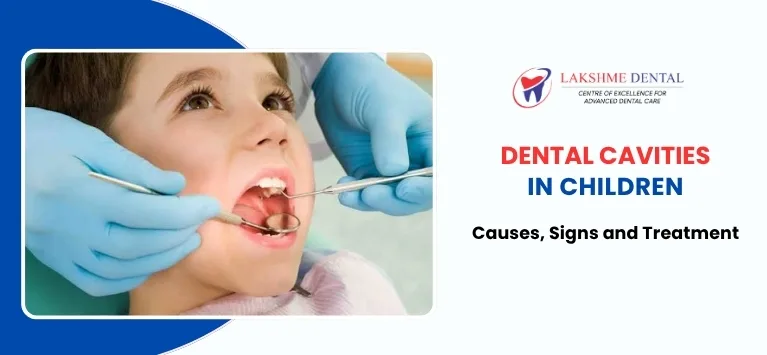
Dental Cavities in Children: Causes, Signs and Treatment

Cavities in children can develop even when their teeth appear healthy. A child may not complain of pain during the early stages of tooth decay, making it difficult for parents to recognise the problem. Small changes, such as white marks on the teeth or sensitivity while eating, may be the first signs that something is wrong.
Although baby teeth eventually fall out, keeping them healthy is important for chewing, speech development, and guiding permanent teeth into their correct positions. Understanding what causes childhood cavities and how to prevent them can help parents protect their child’s oral health.
What Causes Dental Cavities in Children?
Dental cavities develop when bacteria in the mouth break down sugars from food and drinks, producing acids that gradually damage tooth enamel. These bacteria form a sticky layer called plaque, which builds up on teeth when regular cleaning is inadequate.
Several factors can increase a child’s risk of developing cavities:
- Frequent sugary snacks: Sweets, biscuits, chocolates, and sweetened drinks expose teeth to sugars throughout the day.
- Inadequate brushing: Plaque can accumulate when children do not clean their teeth thoroughly.
- Bedtime feeding habits: Falling asleep with a bottle containing milk, formula, or other sugary liquids can increase the risk of decay.
- Frequent snacking: Repeated exposure to sugars gives teeth less time to recover between acid attacks.
- Difficulty cleaning between teeth: Food particles and plaque can remain between neighbouring teeth if these areas are not cleaned properly.
Baby teeth have thinner enamel than permanent teeth, so decay can progress more quickly. This makes early prevention particularly important.
What Are the Early Signs of Cavities in Children?
Childhood cavities do not always cause noticeable discomfort. Parents should regularly check their child’s teeth for changes in colour, appearance, or eating habits.
Common warning signs include:
- White or chalky patches on the tooth surface.
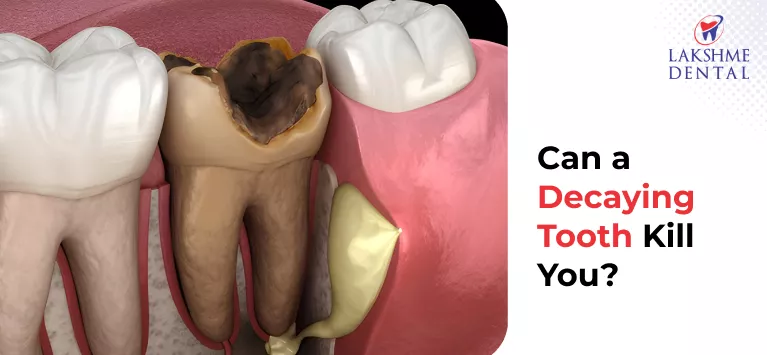
- Brown or black spots that were not previously present.
- Small visible holes in the teeth.
- Sensitivity to hot, cold, or sweet foods.
- Complaints of toothache while eating.
- Avoiding certain foods or chewing on one side.
- Persistent bad breath.
Early Cavities vs Advanced Tooth Decay
| Early Tooth Decay | Advanced Tooth Decay |
| White or chalky spots may appear on the teeth. | Brown or black spots and visible holes may develop. |
| Children may not feel any pain. | Children may experience toothache or sensitivity. |
| Early treatment may help prevent further damage. | A filling, crown, or tooth removal may be needed, depending on the damage. |
How Are Cavities in Children Treated?
The right treatment depends on how deeply the decay has affected the tooth, the child’s age, and their overall dental health.
Fluoride treatment: When decay is detected at an early stage, a dentist may recommend fluoride treatment to strengthen the enamel and help prevent further damage. This is suitable only for certain early lesions.
Dental fillings: If a cavity has formed, the dentist may remove the decayed portion and restore the tooth with a suitable filling material.
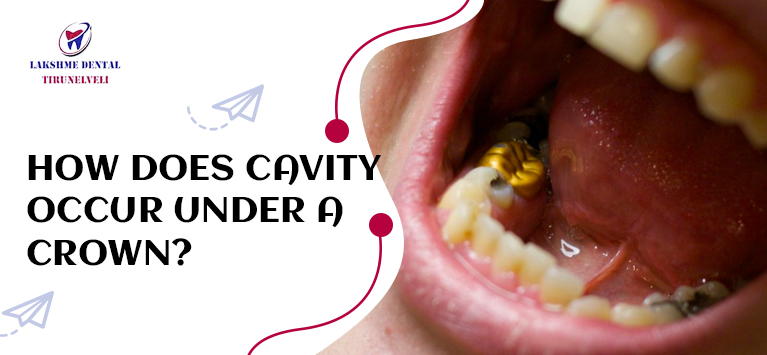
Dental crowns: When decay has damaged a large part of a tooth, a crown may be recommended to provide additional protection and restore its function.
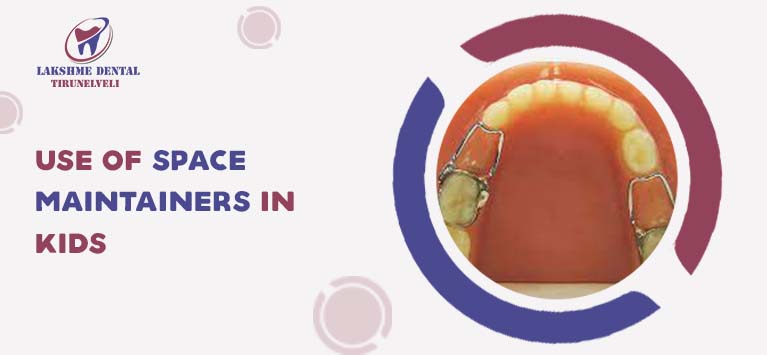
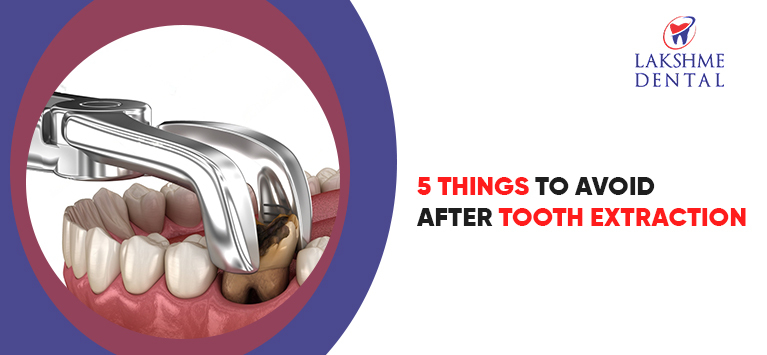
Tooth extraction: If a tooth is severely damaged or infected and cannot be saved, extraction may be necessary. In some cases, a space maintainer may be recommended to help preserve the space for the permanent tooth.
Treating a cavity early may help avoid more extensive procedures. Your dentist can explain the most appropriate option for your child.
How to Prevent Dental Cavities in Children
Consistent daily habits can significantly reduce the risk of tooth decay. Parents play an important role in establishing these habits, especially during the early years.
1. Start Brushing as Soon as the First Tooth Appears
Clean your baby’s gums with a soft, damp cloth before teeth emerge. Once the first tooth appears, begin brushing twice daily with a soft-bristled toothbrush and fluoride toothpaste.
Use a grain-of-rice-sized smear of toothpaste for children under three years and a pea-sized amount for children aged three to six years. An adult should supervise brushing and help younger children clean all tooth surfaces properly.
2. Reduce Frequent Sugar Exposure
Limit sweets, sticky snacks, biscuits, and sugary beverages. Offer balanced meals and suitable snacks instead of allowing children to eat sugary foods repeatedly throughout the day.
Water is a good drink between meals. Avoid putting a baby to bed with a bottle containing milk, formula, juice, or sweetened liquids.
3. Make Oral Hygiene a Daily Routine
Encourage children to brush for two minutes, twice a day, particularly before bedtime. Begin cleaning between teeth when neighbouring teeth touch, using an age-appropriate method with adult assistance.
Making brushing part of the morning and bedtime routine can help children develop lasting habits.
4. Schedule Regular Dental Checkups
Arrange your child’s first dental visit by their first birthday or within six months of the first tooth appearing. Regular checkups help the dentist identify early decay and recommend preventive measures based on your child’s needs.
Ask about professional fluoride applications or dental sealants when appropriate.
Why Should You Treat Cavities in Baby Teeth?
Baby teeth are important even though they are temporary. They help children chew food comfortably, develop clear speech, and maintain the space needed for permanent teeth.
Untreated cavities can cause pain, infection, difficulty eating, and disturbed sleep. If a baby tooth is lost too early, neighbouring teeth may shift into the gap, potentially affecting the eruption of permanent teeth.
Seeking dental care when the first signs of decay appear can help protect your child’s comfort and oral development.
Protect Your Child’s Smile with Early Dental Care
Dental cavities in children are common, but many can be prevented through good oral hygiene, sensible dietary habits, and regular dental visits. White patches, dark spots, sensitivity, or changes in chewing should not be ignored, even if your child does not report pain.
If you notice any signs of tooth decay, consult a dentist for an examination and appropriate treatment. Early attention can help preserve your child’s teeth and establish a healthier foundation for their permanent smile.
Frequently Asked Questions
Dental cavities develop when bacteria in the mouth use sugars from food and drinks to produce acids that damage tooth enamel.
Yes. Baby teeth can develop cavities because their enamel is thinner than that of permanent teeth.
Early signs may include white or chalky spots on the teeth. Brown spots, visible holes, sensitivity, and toothache may appear as decay progresses.
Brush your child's teeth twice daily with fluoride toothpaste, limit sugary snacks and drinks, avoid bedtime bottles containing sugary liquids, and arrange regular dental check-ups.
Treatment depends on how much the tooth is damaged. A dentist may recommend fluoride treatment, a filling, a crown, or extraction in more severe cases.