How to reverse tooth decay

How to reverse tooth decay is a common concern for people noticing early signs of cavities. Tooth decay develops gradually, but with the right care, it is possible to reverse tooth decay in its early stages and prevent further damage. Understanding how to reverse tooth decay and how to stop tooth decay from progressing can help protect your teeth and prevent serious dental problems.
What Is Tooth Decay?
Tooth decay is a common dental condition that occurs when bacteria in the mouth produce acids that damage the outer layer of the teeth, known as enamel. Over time, this damage can weaken the tooth and lead to cavities. If left untreated, tooth decay may cause pain, infection, and even tooth loss.
What Causes Tooth Decay?
Tooth decay develops when plaque builds up on the teeth. Plaque is a sticky layer of bacteria formed from food particles, especially sugars and carbohydrates. These bacteria produce acids that slowly break down the enamel.
Poor oral hygiene, frequent consumption of sugary foods, and irregular dental visits can increase the risk of tooth decay.
Who Can Get Tooth Decay?
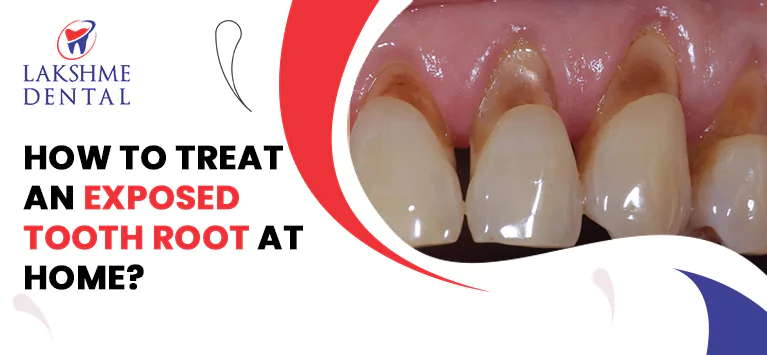
Tooth decay can affect people of all ages. Children may develop early cavities, while adults—especially those with receding gums—may experience decay on exposed tooth roots. Maintaining proper oral care is essential at every stage of life.
Symptoms of Tooth Decay
In the early stages, tooth decay may not cause noticeable symptoms. As it progresses, you may experience:
- Toothache or persistent pain
- Sensitivity to hot, cold, or sweet foods
- White, brown, or black spots on teeth
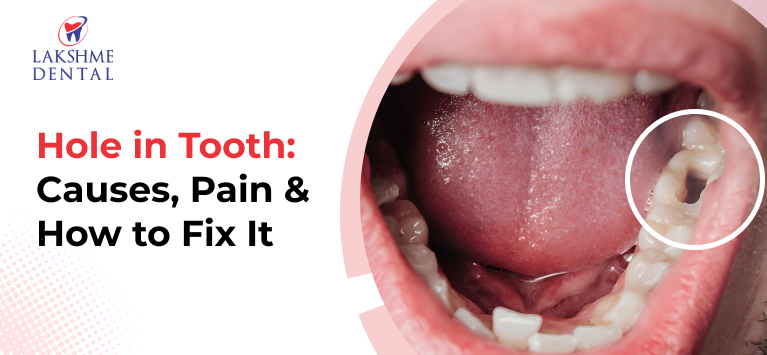
- Visible holes or pits in teeth
- Bad breath or unpleasant taste
- Swelling or infection in severe cases
Recognizing these signs early can help prevent further damage.
Can Tooth Decay Be Reversed Naturally?
Many people wonder if it is possible to reverse tooth decay naturally. The answer is yes—but only in the early stages.
At the beginning, tooth decay causes demineralization, where essential minerals like calcium and phosphate are lost from the enamel. With proper care, these minerals can be restored through a process called remineralization.
However, once a cavity forms and creates a permanent hole in the tooth, it cannot heal naturally. In such cases, professional dental treatment is required.
How to Reverse Tooth Decay in Early Stages
Reversing tooth decay is possible when the damage is still mild. Improving your daily oral care routine can help strengthen enamel and prevent tooth decay from worsening.
Maintain Good Oral Hygiene
Brushing twice a day and flossing daily helps remove plaque and harmful bacteria. Regular dental cleanings are also important to maintain healthy teeth.
Use Fluoride Products
Fluoride strengthens enamel and helps repair early damage. Using fluoride toothpaste and mouthwash can support the process of reversing tooth decay.
Stay Hydrated
Drinking plenty of water helps maintain saliva production. Saliva protects teeth by washing away food particles and neutralizing acids.
Chew Sugar-Free Gum
Sugar-free gum, especially that containing xylitol, can increase saliva flow and reduce harmful bacteria.
Follow a Healthy Diet
Reducing sugary foods and drinks can prevent further enamel damage. Eating calcium-rich foods like dairy products, leafy greens, and nuts supports stronger teeth.
Early Signs of Tooth Decay
Tooth decay often begins slowly, and early detection is important. Watch for:
- Tooth sensitivity
- Pain while eating or drinking
- Pain when biting
- Persistent bad breath
- Visible pits or holes
- Tooth discoloration (white or brown spots)
- Mild toothache
Identifying these signs early makes it easier to reverse tooth decay.
Natural Ways to Reverse Tooth Decay and Strengthen Enamel
Eat Mineral-Rich Foods
Foods rich in calcium and phosphorus help restore lost minerals and strengthen enamel.
Drink Water Regularly
Water helps rinse away acids and supports saliva production, which naturally protects teeth.
Increase Saliva Production
Saliva plays a key role in protecting teeth. Chewing sugar-free gum or eating crunchy fruits and vegetables can help stimulate saliva.
Limit Sugary and Acidic Foods
Reducing sugar and acidic drinks helps prevent further enamel erosion and supports remineralization.
When You Need Professional Dental Treatment
If you experience persistent pain, visible cavities, or severe sensitivity, it is important to visit a dentist.
Depending on the severity, treatments may include:
- Fillings
- Crowns
- Root canal treatment
- Tooth extraction (in severe cases)
Regular dental checkups help detect problems early and prevent complications.
Summary
Understanding how to reverse tooth decay can help you take early action and protect your oral health. While early-stage tooth decay can often be managed naturally, advanced cavities require professional dental care. Maintaining good oral hygiene, a healthy diet, and regular dental checkups are essential to keep your teeth strong and healthy.
Frequently Asked Questions
Yes, early-stage tooth decay can be reversed through remineralization with proper oral care, fluoride use, and a healthy diet.
It may take several weeks or months, depending on oral hygiene habits and overall dental care.
Early decay may improve naturally, but fully developed cavities require dental treatment.
Foods rich in calcium and phosphorus, such as dairy products, leafy greens, nuts, and fish, can help support strong enamel and overall oral health.
If tooth decay is not treated, it can worsen over time and lead to severe tooth pain, infection, or damage to the inner part of the tooth. In advanced cases, it may even result in tooth loss.