Invisalign vs Braces: Which Orthodontic Treatment Is Right for You?

A straighter smile is about more than appearance. Properly aligned teeth are often easier to clean, can support better oral health, and may help improve confidence in social and professional settings.
If you are considering orthodontic treatment, you have likely come across two of the most common options: Invisalign and traditional braces. Both are designed to straighten teeth and improve bite alignment, but they differ in appearance, comfort, maintenance, and suitability for different cases.
So, how do you decide which option is right for you?
This guide explores the key differences between Invisalign and braces to help you make a more informed choice.
What Is Invisalign?
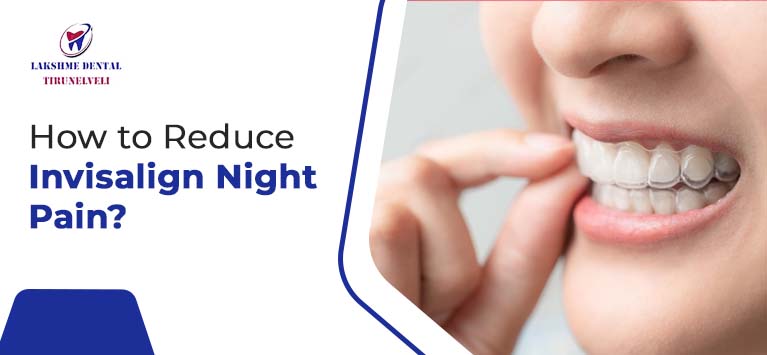
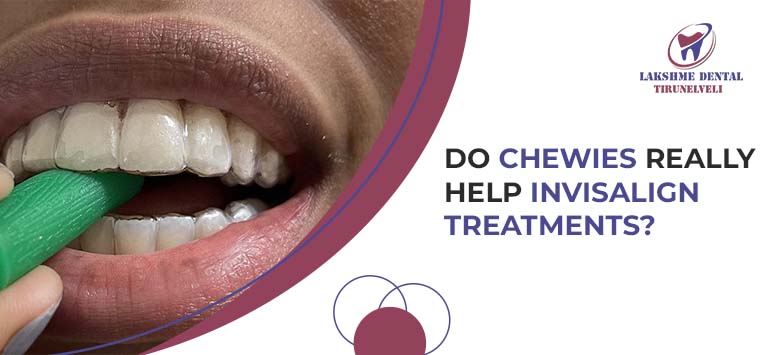
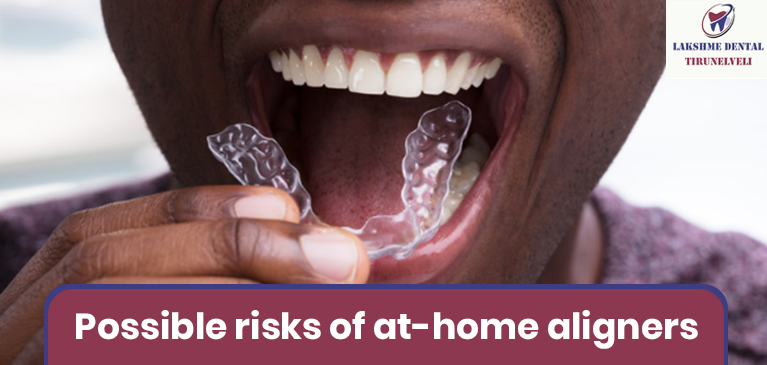
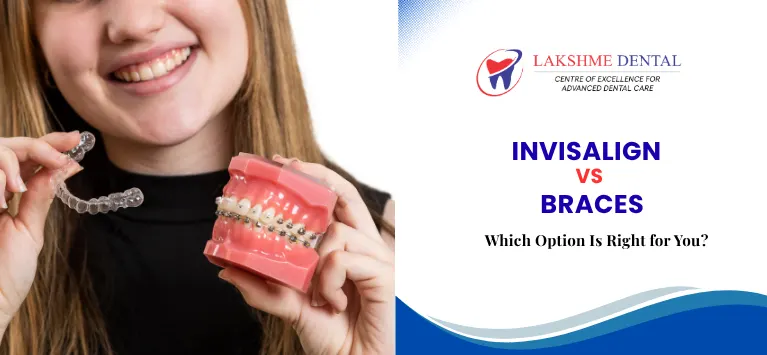
Invisalign is an orthodontic treatment that uses a series of custom-made clear aligners to gradually move teeth into better alignment.
Each set of aligners is designed specifically for your smile and is replaced periodically as treatment progresses. Because the aligners are transparent and removable, Invisalign has become a popular choice among teenagers and adults seeking a discreet orthodontic solution.
What Are Traditional Braces?
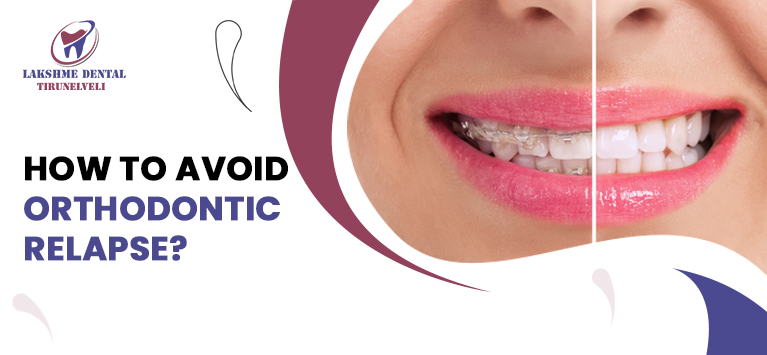
Traditional braces straighten teeth using brackets bonded to the teeth and connected by orthodontic wires.
Over time, controlled pressure helps guide teeth into their desired position. Braces have been used for decades and remain one of the most effective options for correcting a wide range of orthodontic concerns, from minor crowding to complex bite issues.
Today, patients can choose from several types of braces, including metal braces, ceramic braces, and self-ligating braces.
Invisalign vs Braces: A Quick Comparison
| Feature | Invisalign | Braces |
| Appearance | Clear and discreet | Visible brackets and wires |
| Removable | Yes | No |
| Comfort | Smooth aligners with minimal irritation | Brackets and wires may cause discomfort |
| Oral Hygiene | Easier to brush and floss | Requires additional cleaning care |
| Food Restrictions | None when aligners are removed | Certain hard and sticky foods should be avoided |
| Clinic Visits | Usually fewer follow-up visits | Regular adjustment appointments required |
| Compliance | Must be worn consistently as instructed | Works continuously once fitted |
| Suitable Cases | Mild to moderate orthodontic concerns and selected complex cases | Mild, moderate, and complex orthodontic concerns |
| Cost | Generally higher | Often more affordable |
| Visibility During Treatment | Nearly invisible | More noticeable |
Why Patients Prefer Invisalign
While both treatments can achieve excellent results, Invisalign offers several advantages that appeal to many patients.
Discreet Appearance
The clear aligners are designed to be less noticeable than traditional braces, making them a popular choice for people who prefer a more subtle treatment option.
Greater Flexibility
Because the aligners are removable, patients can take them out when eating, brushing, and flossing. This allows them to maintain their usual routine with fewer restrictions.
Comfortable Design
The smooth plastic aligners eliminate the need for brackets and wires, which can reduce irritation to the cheeks and lips.
Easier Oral Hygiene
Many patients find it easier to maintain their oral hygiene because the aligners can be removed before brushing and flossing.
Why Braces Remain a Reliable Choice
Although Invisalign is increasingly popular, braces continue to play an important role in orthodontic treatment.
Effective for Complex Cases
Braces can address a broad range of orthodontic concerns, including severe crowding, spacing issues, and complex bite problems.
Continuous Treatment
Since braces remain attached to the teeth throughout treatment, they work continuously without relying on patient compliance.
Precise Tooth Movement
In some situations, braces provide greater control over tooth movement, making them a preferred option for specific orthodontic corrections.
Multiple Options Available
Modern braces are available in different styles, allowing patients to choose an option that balances aesthetics and treatment requirements.
Which Option Fits Your Lifestyle?
Choosing between Invisalign and braces often comes down to more than clinical considerations.
You may prefer Invisalign if you:
- Want a discreet treatment option
- Prefer removable appliances
- Value flexibility when eating and cleaning your teeth
- Can commit to wearing aligners as instructed
Braces may be more suitable if you:
- Have more complex orthodontic concerns
- Prefer a fixed treatment option
- Want a solution that does not rely on daily compliance
- Are looking for a more budget-conscious choice.
Which Treatment Is More Comfortable?
Every orthodontic treatment involves some level of pressure as the teeth gradually move into position. However, the experience can differ between Invisalign and braces.
Many patients appreciate Invisalign because the smooth aligners do not contain brackets or wires. On the other hand, braces may occasionally cause irritation or soreness, particularly after adjustments.
While comfort differs from person to person, both treatments are designed to move teeth safely and effectively.
Which Treatment Delivers Better Results?
This is one of the most common questions patients ask.
Both Invisalign and braces can produce excellent outcomes when used appropriately. The success of treatment depends on factors such as the complexity of the case, treatment planning, patient cooperation, and regular follow-up care.
Rather than focusing on which treatment is universally better, it is more helpful to determine which option is most suitable for your specific needs.
Final Thoughts
Both Invisalign and braces are proven orthodontic treatments that can help create a healthier, more confident smile.
If you value discretion, flexibility, and convenience, Invisalign may be an appealing choice. If you require more extensive correction or prefer a fixed appliance, braces may be the better option.
The most effective way to choose between Invisalign and braces is through a professional orthodontic consultation. An orthodontist can assess your teeth, bite, and treatment goals before recommending the option that best supports your long-term smile.
Frequently Asked Questions
Both treatments are effective. The right option depends on your orthodontic needs, lifestyle, and treatment goals.
Treatment time varies from person to person. The complexity of the case is often a bigger factor than the treatment method itself.
Invisalign can address many orthodontic concerns, but some complex cases may be better suited for braces.
Both treatments can cause temporary discomfort as teeth move. Many patients find Invisalign more comfortable because there are no brackets or wires.
Yes. Invisalign aligners are removed before eating and drinking, allowing you to enjoy most foods without restrictions.
A consultation with an orthodontist can help determine which treatment is best based on your teeth, bite, and treatment goals.