Why Are My Teeth Becoming Transparent? Causes and What to Do

Have you noticed that the edges of your teeth look slightly see-through when you smile? Maybe they appear thinner than before, or you can see a glass-like effect along the biting edges. This can be surprising, especially if you have always considered your teeth healthy.
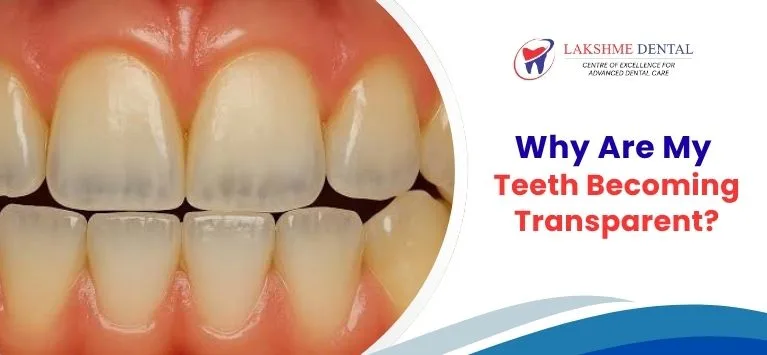
Teeth naturally have some degree of translucency, particularly around their edges. However, a noticeable increase in transparency can happen when the enamel becomes thinner. Enamel erosion, acid exposure, teeth grinding and certain dental or health conditions can all change how your teeth look.
Understanding why the change is happening is important because enamel does not grow back once it has been permanently lost.
Why Do Teeth Look Transparent?
Your teeth are made up of several layers. Enamel forms the hard outer covering, while dentin lies underneath it and has a naturally yellowish colour.
Healthy enamel is not completely opaque. Some light passes through it, especially near the edges of the teeth. In some people, slightly translucent edges are simply a natural trait and not a sign of any problem. But when enamel becomes thinner, more of the underlying tooth structure shows through, making the teeth look transparent or glassy.
The change is often most noticeable on the front teeth, particularly around their edges.
What Can Cause Teeth to Become Transparent?
There isn’t always one single reason. Several factors can gradually affect enamel.
Acidic Foods and Drinks
Regular exposure to acidic foods and beverages can soften and wear away enamel over time. Common examples include soft drinks, citrus fruits and juices, sour candies and other acidic products.
How often you are exposed matters too. Repeated acid contact gives your enamel less time to recover between episodes.
Acid Reflux and Frequent Vomiting
Acid doesn’t only come from food. Stomach acid can also reach the teeth through acid reflux or repeated vomiting.
If this happens regularly, the acid can contribute to enamel erosion. If you experience frequent reflux along with changes in your teeth, mention it to both your dentist and your doctor.
Dry Mouth
Saliva helps neutralise acids and repair the surface of your teeth. If you often have a dry mouth, whether from certain medications, medical conditions or breathing through your mouth, enamel can wear down more quickly.
Teeth Grinding
Do you clench your jaw or grind your teeth, especially while sleeping?
Repeated grinding puts mechanical stress on the tooth surface. Over time, this can wear down the edges and make them look thinner, uneven or more translucent.
Many people are unaware that they grind their teeth until a dentist notices the wear pattern.
Brushing Too Aggressively
Brushing harder does not mean cleaning better.
Excessive pressure or a hard-bristled toothbrush can contribute to enamel wear, particularly when combined with other sources of erosion. A soft-bristled toothbrush and gentle technique are generally better for protecting your teeth.
Naturally Thin or Poorly Developed Enamel
Not every case of transparent-looking teeth comes from lifestyle habits.
Some people naturally have thinner enamel, or have developmental conditions that affect how enamel forms, such as enamel hypoplasia, amelogenesis imperfecta or dental fluorosis. Genetics can also play a role. In these cases, the unusual appearance is often present from an early age.
Are Transparent Teeth a Sign of a Problem?
Sometimes the appearance is mainly cosmetic, especially when the translucency is mild. But thinning enamel can also leave teeth more vulnerable to other problems.
You may notice:
- Greater sensitivity to hot or cold foods
- Discomfort when eating sweet or acidic foods
- Small chips along the edges
- Rough or uneven tooth surfaces
- An increasingly yellowish or greyish appearance
Continued enamel loss can lead to sensitivity, discolouration and a higher risk of tooth damage. That is why it is worth finding out why your teeth are becoming transparent rather than treating the appearance alone.
Can Transparent Teeth Be Fixed?
Treatment depends on how much enamel has been affected and what caused the change.
Your dentist will usually first focus on stopping whatever is causing further enamel wear. This could involve changing brushing habits, reducing acid exposure, managing reflux or dry mouth, or addressing teeth grinding.
For teeth that have already changed significantly, restorative options may be considered:
Fluoride treatments help remineralise early enamel weakening and protect the remaining enamel against further damage. They cannot restore enamel that has already been lost.
Dental bonding uses tooth-coloured composite material to rebuild or cover affected areas. It can improve appearance while adding support to worn portions of the tooth.
Veneers may be considered when the front surfaces of the teeth need a more extensive cosmetic restoration. They are thin coverings placed over the visible surface of the teeth.
The right treatment depends on the condition of your teeth, so it is better not to choose a cosmetic procedure before the underlying cause has been identified.
How Can You Protect Your Enamel?
Once enamel has been permanently lost, the focus is on protecting what remains and preventing further damage. A few everyday habits can help:
- Choose a soft-bristled toothbrush and brush gently.
- Use fluoride toothpaste.
- Cut back on frequent acidic drinks and foods.
- Rinse your mouth with water after acidic foods or drinks.
- Wait at least 30 minutes after an acidic meal or drink before brushing.
- Drink enough water throughout the day, which supports saliva production.
- Consider a dentist-recommended mouth guard if you grind your teeth.
- Keep up with regular dental check-ups.
When Should You See a Dentist?
If your teeth have recently started looking more transparent, especially if the change is becoming more noticeable, it is worth having them examined.
A dentist can look for signs of enamel wear and consider factors such as your diet, brushing habits, grinding, sensitivity and other possible causes. Finding the reason early can help prevent further deterioration.
Final Thoughts
Transparent-looking teeth are not always a reason to panic, but a noticeable change should not simply be ignored. Thinning enamel can have several causes, from frequent acid exposure and grinding to naturally weaker enamel.
The earlier the cause is identified, the easier it is to protect your teeth and prevent further wear. If you have noticed your teeth becoming more translucent, a dental examination can help determine what is behind the change and whether treatment is needed.
Frequently Asked Questions
Teeth can become more transparent when enamel becomes thinner. Acidic foods and drinks, acid reflux, teeth grinding, aggressive brushing and naturally thin enamel can contribute.
Lost enamel does not naturally grow back. However, addressing the cause and using appropriate dental treatment can help protect the remaining tooth structure and improve appearance.
They can be. Increased translucency, particularly around the edges of the teeth, may occur when enamel becomes thinner due to erosion or wear.
Yes. Excessive brushing pressure, especially with a hard-bristled toothbrush, can contribute to enamel wear over time.
Use fluoride toothpaste, brush gently with a soft-bristled toothbrush, reduce frequent acidic foods and drinks, rinse with water after acidic foods and maintain regular dental check-ups.