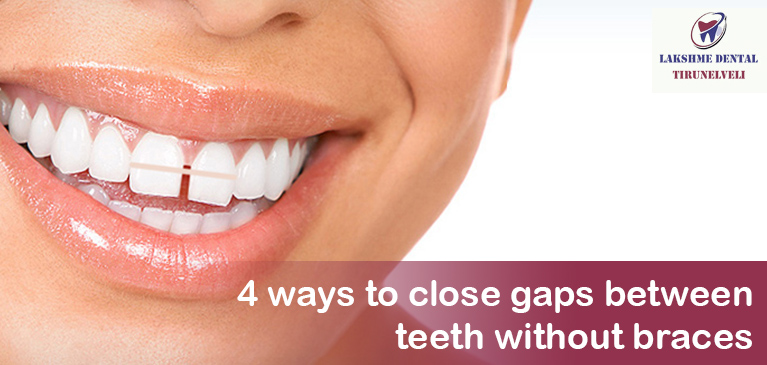
How to Close Gaps Between Teeth Without Braces

Have you noticed a gap between your teeth and wondered how to close it without braces? Braces are not the only option for every type of teeth gap. Depending on the size and cause of the space, dental bonding, veneers, or clear aligners may help improve its appearance or move the teeth into a better position.
The right treatment depends on your teeth, gums, and bite, so a dental examination is important before deciding how to close the gap. Understanding what is causing the space can help you choose an option that is both safe and suitable for your smile.
Small and moderate gaps between teeth can often be corrected without braces using dental bonding, veneers, or clear aligners. The best treatment depends on the size of the gap, tooth position, and the underlying cause of the spacing.
What Causes Gaps Between Teeth?
Gaps between teeth, also known as dental spacing or diastema, can occur for different reasons. Some people naturally have spaces between their teeth, while others may notice a gap developing or becoming larger over time.
Common causes include:
- Natural differences between tooth size and jaw size
- Missing teeth
- Small or undersized teeth
- Teeth shifting over time
- Certain oral habits
- Gum disease affecting the tissues that support the teeth
Can You Close a Gap Between Teeth Without Braces?
Yes, some gaps can be closed or improved without traditional braces. The treatment you need depends on the size and location of the gap, the position of your teeth, and why the space developed.
Here are some options a dentist may recommend:
Non-Braces Treatments for Teeth Gaps
| Treatment | Best For | Treatment Time | Durability |
|---|---|---|---|
| Dental Bonding | Small gaps | 1–2 visits | Moderate |
| Dental Veneers | Cosmetic corrections and moderate gaps | 2–3 visits | Long-lasting |
| Clear Aligners | Mild to moderate spacing issues | 3–12 months | Long-lasting |
| Gap Bands | Not generally recommended without professional supervision | Varies | Unpredictable |
1) Dental Bonding
If you have a small gap and mainly want to improve the appearance of your smile, dental bonding may be an option.
During bonding, a tooth-coloured composite material is applied to the tooth and shaped to reduce the visible space. The material is then hardened and polished so that it blends in with the surrounding teeth.
One of the benefits of bonding is that it can often be completed relatively quickly. It can also be a conservative way to improve the appearance of certain small gaps.
However, bonding does not last forever. The material can wear or become stained over time and may need to be repaired or replaced.
2) Dental Veneers
Veneers are thin coverings placed over the front surface of teeth. They can sometimes be used to improve the appearance of a gap while also changing the shape, colour, or overall look of the teeth.
For someone who has a gap along with other cosmetic concerns, veneers may be an option worth discussing with a dentist.
However, veneers aren’t suitable for every gap. Your dentist will need to check the condition of your teeth and gums and consider your bite before recommending them.
3) Dental Aligners
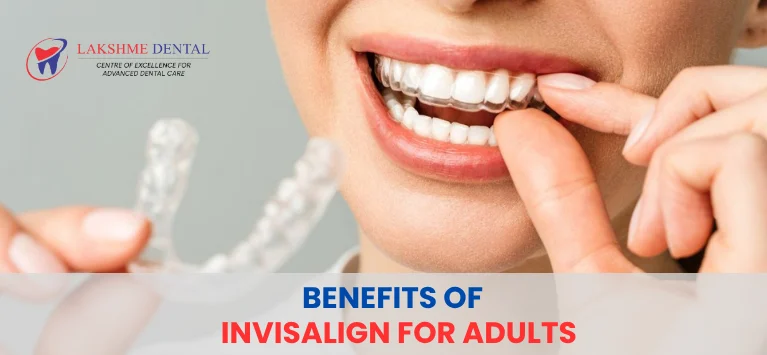
Clear aligners are transparent, removable trays that gradually shift teeth into a better position. They’re often considered for mild to moderate spacing issues and can be a more discreet alternative to metal braces.
Unlike bonding or veneers, aligners actually move the teeth rather than just changing their appearance.
However, treatment length varies depending on the size of the gap, tooth position, and bite. A dentist can determine if aligners are right for you and give you a more accurate timeline.
4) Teeth Gap Bands
You may come across online advice recommending rubber bands to close a gap between teeth. This is not a safe way to move teeth — they need controlled, carefully planned forces, and a rubber band can put unpredictable pressure on the gums and supporting structures.
DIY gap-closing methods are best avoided. If you want to close a gap, speak to a dentist about a safe, professionally supervised option.
Can You Reduce a Gap Between Your Teeth Naturally at Home?
If you’re searching for a way to reduce a gap between your teeth naturally at home, there is an important point to keep in mind: there is no safe home method that can permanently move your teeth together.
Brushing and flossing regularly can help keep your teeth and gums healthy, but they won’t physically move your teeth or close an existing gap.
You should also avoid trying to push your teeth together with rubber bands, string, or other objects. These methods can put unnecessary pressure on the teeth and gums and may cause damage.
If you have noticed a new gap or the space seems to be getting larger, especially if you also have bleeding gums, loose teeth, or discomfort, it is worth getting it checked by a dentist.
How to Close a Gap in Your Teeth
The best way to close a gap depends on what is causing it.
If the gap is mainly related to the shape or appearance of your teeth, treatments such as bonding or veneers may be considered. If your teeth need to be moved into a different position, clear aligners or another orthodontic treatment may be more appropriate.
Your dentist can examine the gap and the surrounding teeth and gums before recommending a treatment. This helps ensure that the focus isn’t just on closing the space but also on keeping your teeth and gums healthy.
Final Thoughts
A gap between your teeth doesn’t always mean you need traditional braces. Depending on the cause and size of the space, dental bonding, veneers, or clear aligners may be suitable options.
Instead of trying to close the gap yourself, have it checked by a dentist or orthodontist. Once the cause is understood, you can choose a treatment that improves your smile while protecting the health of your teeth and gums.
Frequently Asked Questions
Yes. Depending on the cause and size of the gap, treatments such as dental bonding, veneers, and clear aligners may help close the space without traditional braces.Add image
Yes. Veneers can effectively close small to moderate gaps while also improving the shape and appearance of teeth.
Yes. Veneers can effectively close small to moderate gaps while also improving the shape and appearance of teeth.
Clear aligners gradually move teeth into the correct position and help treat mild to moderate spacing issues.
Yes. Using gap bands without professional supervision may cause unwanted tooth movement, gum damage, or root problems.