How to Fix Crooked Teeth Without Braces

Understanding Crooked Teeth
Crooked teeth, medically known as malocclusion, occur when teeth are crowded, rotated, or do not align properly when the mouth is closed. This misalignment can lead to issues such as gaps, overcrowding, overbites, or underbites.
While many people view crooked teeth as a cosmetic concern, they can also affect oral health. Misaligned teeth are harder to clean, which increases the risk of plaque buildup, tooth decay, and gum disease.
Today, with advancements in dentistry, there are multiple ways to fix crooked teeth without braces. Modern treatments like clear aligners, veneers, and dental bonding provide comfortable and discreet solutions to improve your smile.
What Causes Crooked Teeth?
Crooked teeth can develop due to several factors, and often more than one reason may be involved:
Genetics
In many cases, crooked teeth are inherited. Jaw size, tooth size, and bite patterns such as overbite or underbite can run in families.
Jaw Size and Tooth Crowding
A smaller jaw may not have enough space for all teeth, leading to crowding or overlapping.
Childhood Habits
Habits like thumb sucking, prolonged pacifier use, or tongue thrusting can gradually shift teeth out of alignment.
Early Loss of Baby Teeth
Baby teeth act as placeholders. Losing them too early can cause surrounding teeth to shift, affecting permanent tooth alignment.
Poor Oral Hygiene and Gum Problems
Gum disease or tooth loss can create gaps, allowing nearby teeth to move and become misaligned.
Injury or Trauma
Accidents affecting the jaw or teeth can also lead to crooked or uneven alignment.
Why Should Crooked Teeth Be Corrected?
Fixing crooked teeth is not just about aesthetics—it also improves oral health and function.
Key Reasons to Correct Crooked Teeth
- Higher risk of tooth decay and gum disease
Crooked teeth trap food particles and plaque, making cleaning difficult. - Uneven pressure on teeth
Misalignment can cause excessive wear due to uneven bite force. - Jaw pain and headaches
Improper alignment can strain jaw joints and muscles. - Difficulty in chewing and speaking
Crooked teeth may interfere with proper function. - Reduced confidence
A misaligned smile can affect self-esteem and social comfort.
Can Crooked Teeth Be Fixed Without Braces?
Yes, it is possible to fix crooked teeth without braces, especially in mild to moderate cases. Several modern treatments offer effective and less noticeable alternatives to traditional metal braces.
The right option depends on the severity of misalignment and overall dental health.
Treatment Options to Fix Crooked Teeth Without Braces
Clear Aligners
Clear aligners are one of the most popular solutions for fixing crooked teeth without braces. These custom-made, transparent trays gradually shift teeth into proper alignment.
They are removable, comfortable, and nearly invisible—making them ideal for adults and teenagers.
Dental Veneers
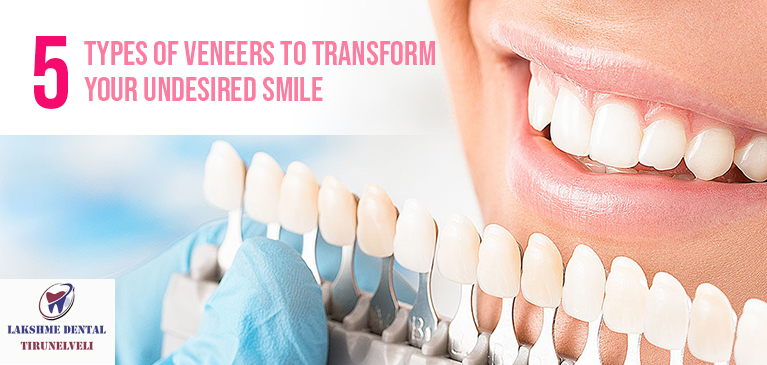
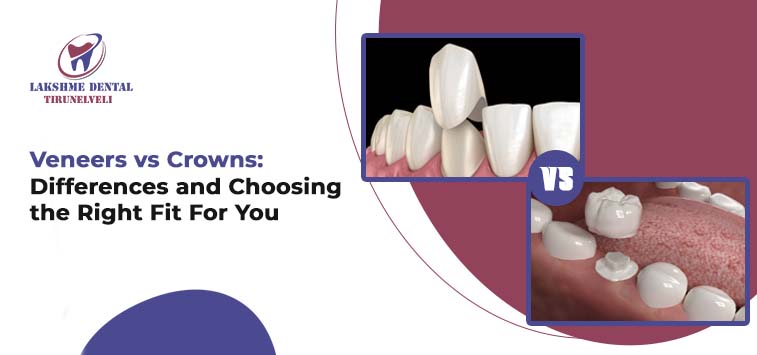
Veneers are thin, custom shells placed on the front surface of teeth. They improve the appearance of slightly crooked teeth by creating a more even and aligned smile.
Dental Bonding
Dental bonding uses a tooth-colored resin to reshape teeth. It is effective for correcting minor gaps, uneven edges, and slight misalignment.
Dental Crowns
Crowns can restore the shape, size, and alignment of damaged or irregular teeth while improving function and aesthetics.
Tooth Contouring and Reshaping
For very minor corrections, dentists can reshape enamel to enhance alignment and create a balanced smile.
When Can Crooked Teeth Be Fixed Without Braces?
Crooked teeth can often be corrected without braces when the issue is mild to moderate. Treatments like clear aligners or cosmetic procedures work best in these cases.
Many patients prefer these options because they are:
- Less noticeable
- More comfortable
- Convenient for daily life
When Are Braces Still Necessary?
Braces may still be required for more complex cases, such as:
- Severe crowding
- Major bite problems
- Jaw misalignment
In such situations, braces provide precise control to gradually move teeth into the correct position.
Benefits of Fixing Crooked Teeth Without Braces
- Better oral hygiene
Straighter teeth are easier to brush and floss, helping reduce plaque buildup, tooth decay, and gum disease. - Improved chewing function
Properly aligned teeth help distribute bite pressure evenly and make chewing more efficient. - Reduced jaw strain
Correcting alignment may reduce unnecessary stress on the jaw joints and muscles. - Discreet and comfortable treatment
Options like clear aligners are less noticeable and more comfortable than traditional braces. - Improved confidence
A more balanced smile can help boost self-esteem and make people feel more comfortable in social situations.
Summary
Crooked teeth can affect both your smile and oral health. While traditional braces are effective, there are now several ways to fix crooked teeth without braces.
Options such as clear aligners, veneers, bonding, and contouring provide comfortable and aesthetically pleasing results. However, the best treatment depends on your specific condition, so consulting a dental professional is always recommended.
Frequently Asked Questions
Yes, mild to moderate crooked teeth can often be corrected without traditional braces. Treatments like clear aligners, dental veneers, bonding, and tooth contouring can help improve alignment and appearance while being more discreet and comfortable.
Yes. Clear aligners, such as Invisalign, gradually move teeth into proper alignment. They are most effective for mild to moderate misalignment and are a popular alternative to metal braces because they are removable, nearly invisible, and comfortable to wear.
The duration depends on the severity of misalignment and the chosen treatment. Clear aligners typically take 6–18 months for noticeable results, while cosmetic options like veneers or bonding can provide an immediate visual improvement.
Veneers are a cosmetic solution and can make slightly crooked teeth look straight instantly. However, they do not correct bite problems or functional issues. Braces or clear aligners are better for long-term alignment and oral health if teeth are misaligned structurally.
Most non-brace treatments are generally comfortable. Clear aligners may cause mild pressure when teeth shift, and bonding or veneers may involve minimal sensitivity. Overall, these options are far less invasive than traditional braces and rarely cause significant pain.