Hole in Tooth: Causes, Pain & How to Fix It

Key Facts
- A hole in a tooth never heals on its own.
- Tooth pain usually means decay has reached the nerve.
- Fillings and crowns can restore damaged teeth effectively.
- Clove oil and saltwater rinses offer only temporary relief.
- Regular dental visits prevent most cavities from worsening.
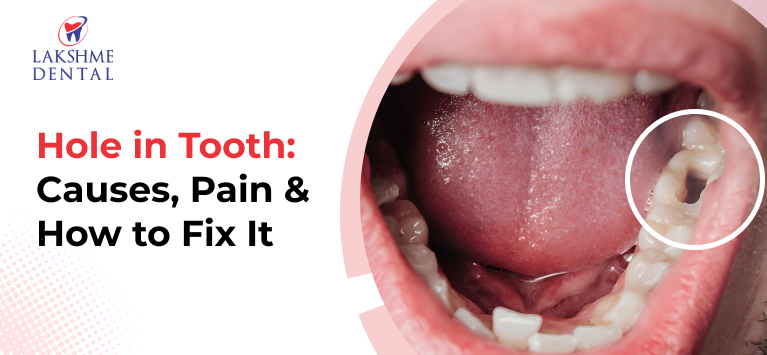
Have you noticed a hole in your tooth or started experiencing pain from a tooth that looks damaged? A hole in a tooth is often caused by tooth decay and can become more painful as the decay progresses deeper into the tooth.
If you have a hole in your tooth and it hurts, home remedies may provide temporary relief, but they cannot repair the hole or remove the decay. A dental examination is important to determine the right treatment.
What Causes a Hole in a Tooth?
A hole in a tooth is often caused by a cavity . It develops when bacteria in the mouth produce acids that damage the tooth enamel. These bacteria feed on leftover sugars and starches, releasing acids that gradually erode the enamel and may eventually form a small pit or hole.
Over time, a small cavity can become deeper. When decay progresses from the enamel into the dentin and eventually toward the pulp, it can cause tooth pain, sensitivity and infection.
Major causes for a hole in the tooth
Several factors can lead to the formation of cavity in your tooth which eventually leads to a hole/pit if left untreated:
- Poor oral hygiene: Failing to brush and floss regularly leads to plaque buildup.
- High sugar diet: Frequent snacking or drinking sugary beverages feeds bacteria that cause decay.
- Dry mouth (Xerostomia): Reduced saliva flow means less natural cleansing of the teeth.
- Acidic foods and drinks: Regular consumption of citrus juices or sodas erodes enamel.
- Gum recession: Exposes the root surface, which is softer and more prone to decay.
Does a hole in the tooth always cause pain?
Not necessarily.
- A small cavity may cause no pain at all.
- As it progresses, you might notice sensitivity to sweets, heat, or cold.
- A large hole or deep cavity can trigger severe, throbbing pain, especially if it reaches the nerve.
If you have a hole in your tooth but no pain, that doesn’t mean it’s harmless, the decay is still active beneath the surface.
What if I have a hole in my tooth and it hurts?
Pain usually means the decay has reached the inner layers of your tooth where the nerves and blood vessels are.
Common symptoms include:
- Sharp pain when biting or chewing
- Lingering sensitivity to hot or cold
- Swelling in the gums near the affected tooth
- A visible black or brown hole in the tooth
This is a sign that professional dental care is urgently needed.
Can a hole in a tooth heal on its own?
No. Once a hole has formed, tooth enamel cannot regenerate naturally. You can prevent further decay through good oral hygiene, but the existing cavity must be treated by a dentist.
Ignoring it may lead to:
- Infection or abscess
- Tooth fracture
- Spread of decay to neighboring teeth
- Potential tooth loss
How do dentists fix a hole in the tooth?
Treatment depends on the size and severity of the cavity.
1. Dental Filling
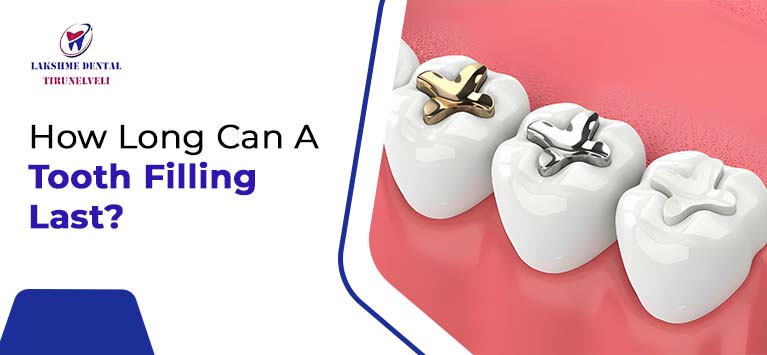
For small to medium holes, your dentist removes the decayed part and fills it with a tooth-colored composite or amalgam. This restores both appearance and strength.
2. Dental Crown
If the cavity is large or weakens the tooth, a crown (cap) may be placed to protect the remaining structure.
3. Root Canal Treatment
If the decay has reached the pulp, the infected tissue is removed, and the tooth is sealed, preserving it from extraction.
4. Tooth Extraction
In severe cases, where the tooth cannot be saved, extraction followed by a dental implant or bridge is recommended.
Home Remedies: Temporary Relief for Tooth Hole Pain
While home remedies cannot cure a hole in your tooth, they can ease discomfort until you visit a dentist.
Saltwater Rinse
A warm saltwater rinse may help reduce bacteria and inflammation around the affected area and can provide temporary relief from discomfort.
Clove Oil
Clove oil may provide a temporary numbing effect and help reduce toothache discomfort. However, it does not repair the cavity or remove the decay.
Cold Compress
If you have swelling or discomfort around the affected tooth, applying a cold compress externally may help reduce swelling and provide temporary relief.
Avoid Sugary and Acidic Foods
Sugary and acidic foods and drinks can contribute to further tooth decay and may make sensitivity worse. Avoiding them can help prevent additional irritation.
Keep the Area Clean
Continue brushing your teeth twice a day and flossing regularly. Keeping the area clean can help reduce plaque buildup around the affected tooth.
Remember these are only temporary measures, not treatments.
How to prevent holes in teeth?
- Brush twice daily with fluoride toothpaste.
- Floss regularly to remove plaque between teeth.
- Limit sugary snacks and drinks.
- Visit your dentist every six months for check-ups.
- Drink plenty of water, especially if you have a dry mouth.
Good habits today can prevent painful treatments tomorrow.
When Should You See a Dentist for a Hole in Your Tooth?
A visible hole in a tooth is a reason to arrange a dental examination, even if it is not painful yet.
You should particularly seek dental care if you notice:
- Persistent or worsening tooth pain
- Sensitivity to hot, cold or sweet foods
- Pain while biting or chewing
- Swelling around the affected tooth
- A visible black or brown hole
- Signs of infection around the tooth
If the pain is severe or the area becomes significantly swollen, do not rely on home remedies alone. Prompt dental evaluation is important.
Conclusion
A hole in your tooth is a sign of an active decay and even if it doesn’t hurt now, it’s silently progressing.
Whether it’s a small pit, a deep cavity, or a hole in the back molar, timely dental treatment can save your tooth and prevent severe complications.
If you’re noticing pain, sensitivity, or visible dark spots, don’t wait. Schedule a consultation with our dentist to restore your oral health and comfort before the problem worsens.
Frequently Asked Questions
Yes. Depending on the damage, a dentist may restore it using a filling, bonding, veneer, or crown. In deep fractures, root canal treatment might be needed.
Even if there’s no pain, you should still see a dentist. Small cavities can grow and reach the nerve without symptoms at first.
No. DIY fillings or temporary pastes can trap bacteria and worsen the decay. Only a dental professional can properly clean and seal the cavity.
Delaying treatment increases the risk of infection and pain. Early dental intervention is always best to avoid complex procedures later.
Yes, a hole or opening in the gum could indicate an abscess or gum infection and needs immediate evaluation by a dentist.
Answer not available