How to Brush Teeth Correctly: A Dentist’s Step-by-Step Guide

Key Facts
- Did you know? Brushing for 2 minutes removes up to 90% of plaque — but most people stop at 45 seconds.
- Using too much pressure can cause more harm than skipping a brushing session.
- Electric toothbrushes can reduce plaque by up to 21% compared to manual brushing (based on dental research).
- Changing your brush every 3 months can lower bacterial load by nearly 30%.
As a dentist, one of the most common questions I hear from patients is, “Am I brushing my teeth the right way?”
It sounds simple. After all, we’ve been brushing since childhood but the truth is, many adults still make small mistakes that quietly harm their gums and enamel over time.
Brushing correctly isn’t just about fresh breath or a clean smile; it’s about long-term protection against cavities, gum disease, and enamel wear.
So, let’s talk about how to brush your teeth correctly and how to make the most out of both manual and electric toothbrushes.
Why does brushing technique matter?
Your toothbrush doesn’t just clean food particles, it disrupts the sticky bacterial film (plaque) that forms on your teeth every few hours.
If plaque isn’t removed properly, it hardens into tartar and leads to gum inflammation, bleeding, and decay.
Even if you brush twice daily, poor technique can leave behind plaque in hard-to-reach areas.
Over time, this increases the risk of cavities, bad breath, and gum recession.
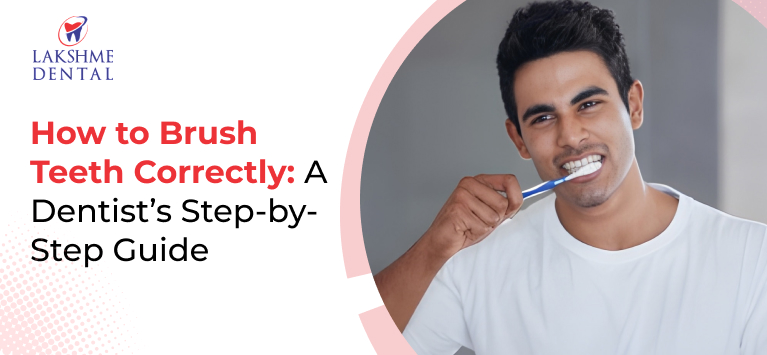
How to brush teeth correctly – step by step?
Here’s the brushing technique I personally recommend to patients:
- Choose the right toothbrush. A soft-bristled brush is best for most people. Medium or hard bristles can wear away enamel and irritate gums.
- Use a pea-sized amount of fluoride toothpaste. More doesn’t clean better, it just causes excess foam that makes you rush.
- Hold your brush at a 45° angle to the gum line. This angle helps reach the area where plaque loves to hide.
- Use gentle circular motions, not back-and-forth scrubbing. Tiny circles clean better and protect your enamel.
- Spend at least two minutes brushing. Divide your mouth into four sections and spend 30 seconds on each.
- Brush your tongue and inner cheeks. Bacteria here contribute to bad breath.
- Rinse lightly or just spit. Let a thin layer of fluoride remain on your teeth for extra protection.
Tip: Replace your toothbrush every 3 months or sooner if the bristles look frayed.
Common Brushing Mistakes to Avoid
Even the most diligent brushers can go wrong in small ways.
Here are some common habits I frequently help my patients correct:
- Brushing too hard: Force doesn’t mean cleaner teeth rather it leads to gum recession and enamel damage.
- Skipping the gum line: This is where plaque builds first.
- Using the wrong brush size: A smaller head gives you better control in the back teeth.
- Rushing: Most people brush for 45 seconds, less than half the ideal time.
- Forgetting the tongue: Major cause of bad breath!
How to use an electric toothbrush properly?
If you’ve switched to an electric toothbrush (which I often recommend for patients with braces or dexterity issues), technique still matters.
Here’s how to use it correctly:
- Let the brush do the work. Don’t scrub; just guide it slowly along each tooth surface.
- Hold it for 2–3 seconds per tooth. Most electric brushes have built-in timers.
- Follow the gum line gently. Keep the brush at the same 45° angle.
- Replace the brush head every 3–4 months.
- Avoid pressing too hard. Most modern models have pressure sensors that alert you.
Both manual and electric brushes can clean effectively, what matters most is consistency, technique, and time.
Brushing in a humid place
In humid climates such as Tirunelveli, plaque buildup and gum inflammation can happen faster due to higher bacterial activity.
I often advise patients to brush twice daily and rinse after meals especially if your diet includes sweet or spicy foods that increase acidity in the mouth.
A Quick Word from Lakshme Dental
At Lakshme Dental in Tirunelveli, we believe oral care starts at home. A few minutes of proper brushing can prevent years of dental problems.
If you’re unsure whether your brushing technique is effective, visit us for a quick oral hygiene assessment, we’ll guide you on what’s best for your teeth and gums.
Also Read: Brushing Techniques – You can also use this guide to check if you’re brushing your teeth correctly.
Frequently Asked Questions
Brush twice a day using gentle circular motions for at least 2 minutes. Use a soft-bristled brush, angle it toward the gum line, and clean all surfaces of your teeth and tongue.
Ideally, just spit out the toothpaste. Rinsing removes the fluoride that helps protect enamel. A quick, light rinse is fine if you dislike the taste.
Move the brush slowly across each tooth surface, allowing the bristles to do the work. Avoid pressing hard & use light pressure and follow the gum line gently.
Yes, if needed but only with soft bristles and gentle pressure. Over-brushing can irritate gums or erode enamel.