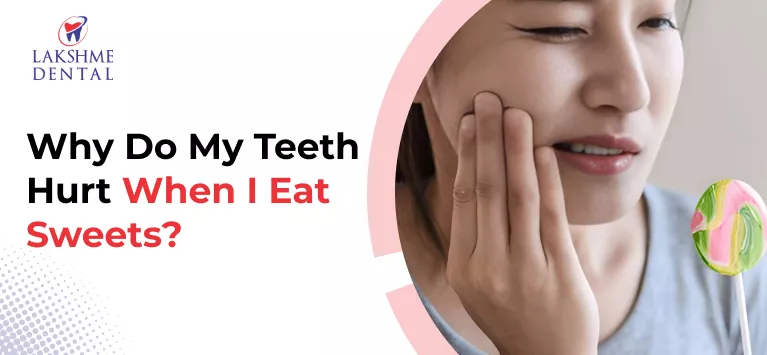
Why Do My Teeth Hurt When I Eat Sweets?

Key Facts
- Teeth should not hurt when exposed to sweets; pain usually signals enamel damage or decay.
- Sugar feeds bacteria that produce acid, which irritates exposed dentin and nerves.
- Back teeth are more prone to sweet sensitivity due to deep grooves and food retention.
- Lingering pain after eating candy may indicate deeper decay or pulp inflammation.
- Early-stage sensitivity can sometimes be managed with desensitizing toothpaste and improved oral hygiene.
- Persistent or worsening sweet-triggered pain requires professional evaluation.
If your teeth hurt when you eat sweets, candy, or sugary foods, it is usually a sign that the protective outer layer of the tooth has been weakened or that the inner nerve is irritated.
This type of pain is not random. Sugar tends to expose underlying dental problems that may otherwise go unnoticed.
The good news is that in many cases, early sensitivity can be treated conservatively, if addressed promptly.
First: Is this normal?
No. Teeth should not hurt when they are exposed to sweets.
Occasional brief sensitivity may occur if your teeth enamel is mildly worn. However, repeated discomfort when eating sweets, especially in the same area typically indicates:
- Early tooth decay
- Enamel erosion
- Exposed dentin
- Gum recession
- A failing/failed tooth filling
Sweet-triggered pain is often the earliest detectable sign of a cavity.
Why sugar causes pain (and other foods may not)?
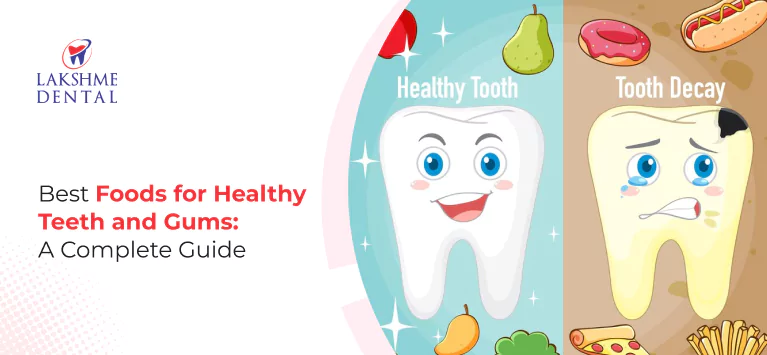
Sugar feeds oral bacteria. When bacteria metabolize sugar, they produce acid. This acid lowers the pH in your mouth and temporarily softens enamel.
If enamel is intact, you feel nothing.
If enamel is thinned or damaged, acid penetrates into dentin, a porous layer connected to the tooth’s nerve triggering discomfort.
This explains why:
- Teeth ache when eating sweets
- Back teeth hurt during candy consumption
- Pain sometimes lingers after eating sugar
Sugar doesn’t cause pain directly. It reveals structural weakness.
The most common reasons teeth hurt when eating sweets
1. Early tooth decay
This is the leading cause.
In early decay:
- The enamel surface weakens
- Microscopic openings form
- Sugar reaches sensitive dentin
Pain may be brief at first and disappear quickly. As decay progresses, it may linger longer or occur with cold and heat.
If your teeth hurt after eating candy and the discomfort lasts more than 30–60 seconds, deeper involvement is possible.
2. Back teeth (molars) are affected more often
If your back teeth hurt when eating sweets, the cause is often localized decay.
Molars:
- Have deep grooves
- Trap food easily
- Are harder to clean thoroughly
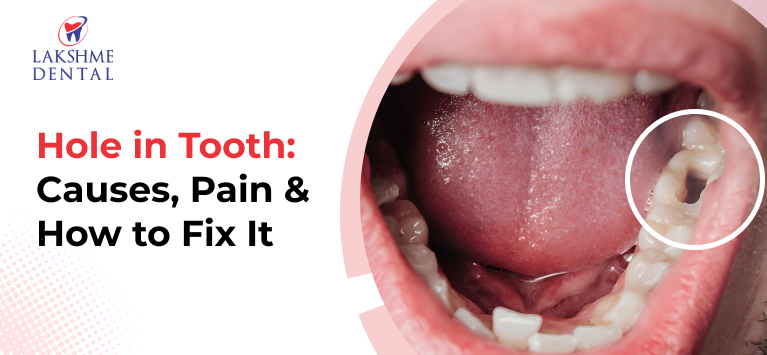
Even a small cavity in a molar can cause sharp sensitivity when sugar contacts it.
3. Enamel erosion
Frequent exposure to acidic beverages, citrus, or gastric reflux can thin enamel.
When enamel wears down:
- Dentin becomes exposed
- Sweet foods trigger sharp sensitivity
- Teeth may appear slightly translucent at edges
Unlike cavities, erosion affects broader surfaces.
4. Gum recession
When gums recede, the root surface becomes exposed.
Root surfaces lack protective enamel and are more sensitive to:
- Sweets
- Cold foods
- Air exposure
This often causes a dull ache rather than sharp pain.
5. Cracked teeth or failing fillings
Small cracks or worn fillings create microscopic openings. Sugar and acid seep into these spaces, irritating the nerve.
Pain may:
- Be inconsistent
- Occur only while chewing
- Affect one specific tooth
How to tell if it’s mild sensitivity or something more serious?
You can self-assess by asking:
- Is the pain in one specific tooth?
- Does it linger after eating sweets?
- Has it become more frequent?
- Is there visible discoloration or a dark spot?
- Does cold also trigger pain?
Brief, occasional sensitivity may be managed conservatively.
Persistent, worsening, or lingering pain suggests active decay or nerve inflammation.
Why do my teeth hurt after eating sweets?
If pain appears after eating, not during, it may indicate that sugar remains trapped between teeth.
Sticky candy increases exposure time, allowing bacteria to produce acid for longer periods.
Lingering pain can also signal:
- Pulp inflammation
- A deeper cavity
- A leaking filling
This type of discomfort should not be ignored.
Can this be fixed at home?
If the issue is mild enamel sensitivity, you may benefit from:
- Desensitizing toothpaste
- Gentle brushing with a soft-bristled brush
- Reducing frequent sugar intake
- Rinsing with water after sweets
- Avoiding aggressive brushing
However, if a cavity exists, no toothpaste or rinse can reverse it. Dental treatment is required to remove decay and restore the tooth.
When should you see a dentist?
Seek evaluation if:
- Pain persists more than a few days
- It occurs consistently with sweets
- Back teeth repeatedly hurt during eating
- Pain begins happening without food
- Discomfort lasts longer each time
Early treatment is typically simple and conservative. Delayed care may allow decay to reach the nerve, requiring more complex procedures.
The key takeaway
If your teeth hurt when you eat sweets, it is rarely “just sensitivity.” Sugar acts as a diagnostic trigger, exposing enamel damage, decay, or structural weakness.
The earlier the cause is identified, the easier it is to manage.
Persistent sweet sensitivity is a signal, not a minor inconvenience and it should be assessed before it progresses.
Frequently Asked Questions
Sweet sensitivity often indicates early enamel breakdown or small cavities. Cold sensitivity may develop later if decay progresses deeper toward the nerve.
Molars have grooves that trap sugar and bacteria, making them more vulnerable to decay. Cavities in molars commonly cause pain with sweets.
Lingering pain may mean sugar remains trapped between teeth or that the nerve inside the tooth is inflamed. Pain lasting more than 30–60 seconds is not normal.
If caused by mild enamel irritation, it may improve with proper care. However, cavities do not heal without treatment.
Not always. It can also result from enamel erosion, gum recession, cracked teeth, or worn fillings. A clinical exam is needed to confirm the cause.
If pain is persistent, localized, worsening, or begins occurring without sweets, professional evaluation is recommended.