When do kids start losing teeth?

Children need healthy teeth to eat properly, speak clearly, and smile with confidence. Baby teeth help guide the growth of the jaw and hold space for permanent teeth.
What Are Baby Teeth?
Primary teeth, commonly known as baby teeth, begin forming even before a child is born. They usually start appearing between 6 and 12 months of age, although the timing can vary for every child. These teeth gradually erupt through the gums during the first few years of life and play an important role in early development.
How many baby teeth do children have?
Children have a total of 20 baby teeth — 10 in the upper jaw and 10 in the lower jaw. Most children complete their set of primary teeth by the age of 2 to 3 years. These teeth stay in place until they are naturally replaced by permanent teeth, usually starting around age six.
Why Are Baby Teeth Important?
Although baby teeth are temporary, they are essential for chewing, speaking clearly, and smiling confidently. They also hold space in the jaw for permanent teeth to grow in the correct position. If baby teeth are lost too early, it can affect the alignment of adult teeth later. Proper care from an early age helps support healthy oral development.
What Is the Order of Baby Teeth Falling Out?
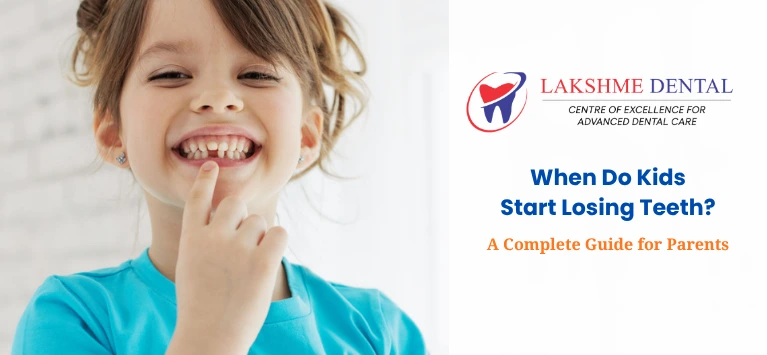
When do kids start losing teeth? Most children start losing their baby teeth around 6 to 7 years of age. The lower front teeth are usually the first to fall out, followed by the upper front teeth. The process continues gradually until about 12 or 13 years, when most permanent teeth have erupted.
Typical Sequence
- Central incisors: 6–7 years
- Lateral incisors: 7–8 years
- First molars: 9–11 years
- Canines: 9–12 years
- Second molars: 10–12 years
The pattern often follows the same order in which the teeth first appeared.
What If My Child Loses Teeth Too Early or Too Late?
Early loss causes
Sometimes children may lose a baby tooth earlier than expected. Common reasons include:
Tooth Decay
Untreated cavities or tooth decay can weaken the tooth structure. If the damage becomes severe, the tooth may need to be removed or may fall out on its own.
Injury or Accidents
Falls while playing, sports-related injuries, or accidental hits to the mouth can knock a tooth loose or out.
Gum Problems
Gum problems or infections can affect the tissues that support the teeth, leading to early tooth loss.
Underlying Health Conditions
Certain conditions, such as weak enamel or developmental issues, may make teeth more vulnerable to damage.
If a baby tooth is lost too early, it’s important to consult a dentist to ensure it does not affect the alignment of permanent teeth.
Reasons for Delayed Shedding
Some children may get their teeth later than others. In many cases, this is completely normal. However, possible reasons include:
Family History
If parents experienced delayed tooth eruption as children, their child may follow a similar pattern. This is often harmless.
Premature Birth
Babies born early or with low birth weight may reach certain growth milestones, including teething, slightly later.
Nutritional Deficiencies
Calcium and vitamin D are important for healthy tooth development. A lack of these nutrients can slow eruption.
Hormonal Conditions
Certain medical conditions, such as thyroid issues, can affect overall growth and tooth development.
Jaw or Gum Factors
Sometimes teeth are present but take longer to erupt due to gum thickness or jaw growth patterns.
When to See a Dentist
Parents should consider scheduling a dental visit if their child’s teeth have not appeared by 18 to 24 months, or if tooth eruption seems significantly delayed or uneven. It is also advisable to consult a dentist if the child has difficulty chewing solid foods, experiences speech concerns, or has a family history of dental or genetic conditions. An early evaluation can help determine whether the delay is part of normal development or requires further attention.
How to Care for Your Child’s Teeth During This Stage
Maintaining good oral hygiene from an early age helps prevent cavities and supports healthy tooth development. Here are some simple and effective tips for parents
Brush Twice Daily
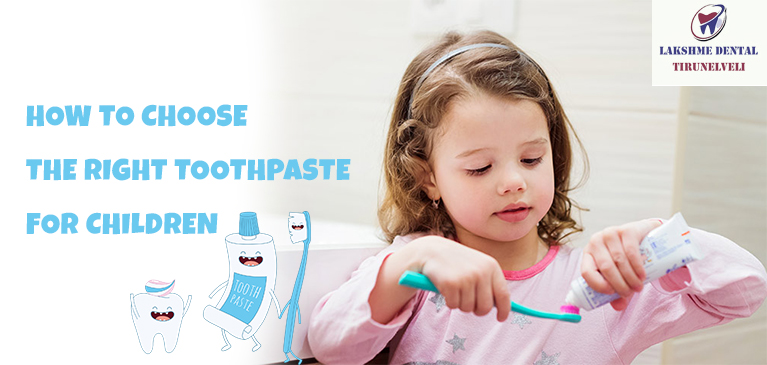
Use a soft-bristled toothbrush and a fluoride toothpaste suitable for your child’s age. Encourage brushing for at least two minutes, once in the morning and once before bedtime.
Floss Once a Day
Once teeth start touching each other, flossing becomes important. Use child-friendly flossers or floss picks to make the process easier and more comfortable.
Limit Sugary Snacks and Drinks
Reduce sugary foods and beverages, as they increase the risk of cavities. Encourage water and milk instead of sweetened drinks.
Schedule Regular Dental Checkups
Your child’s first dental visit should ideally be around their first birthday. After that, regular checkups every six months help detect and prevent dental problems early.
Frequently Asked Questions
Yes, it can be normal. While most children start losing their baby teeth around 6 years of age, some may begin as early as 5. Every child develops at a slightly different pace. If you are unsure, a dental checkup can confirm whether the timing is appropriate.
Sometimes, a permanent tooth may begin growing behind a baby tooth that hasn’t fallen out yet. This is common and often resolves on its own. However, if the baby tooth remains firm for a long time, a dentist may recommend removing it to allow proper alignment of the permanent tooth.
After a baby tooth falls out, a permanent tooth usually starts appearing within a few weeks to a few months. In some cases, it may take longer. If no new tooth appears after several months, a dental evaluation is recommended.
It is generally best to let baby teeth fall out naturally. If a tooth is very loose and causing discomfort, gentle wiggling may help. However, avoid forcefully pulling it out, as this could cause pain or bleeding.