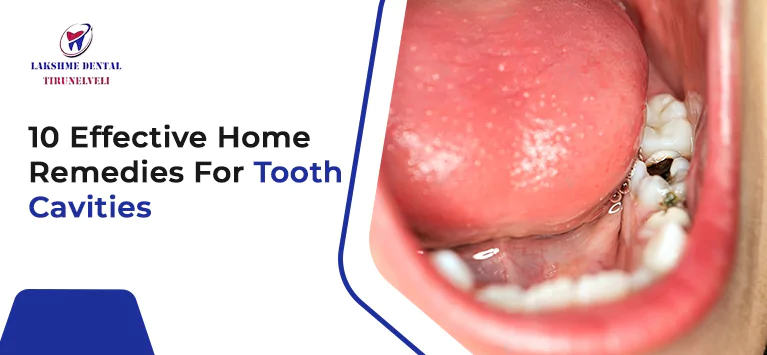
10 Effective Home Remedies For Tooth Cavities

Tooth cavities are one of the most common dental problems, affecting both children and adults. While a cavity cannot be permanently treated at home, certain natural remedies may help reduce harmful bacteria, support enamel health, and improve oral hygiene. Understanding what works, what doesn’t, and when to seek professional care can help you protect your teeth and prevent tooth decay from getting worse.
Home remedies may help reduce bacteria, support oral health, and slow the progression of early tooth decay, but they cannot heal or remove an existing cavity. If you notice pain, sensitivity, or visible holes in a tooth, professional dental treatment is necessary.
Can Home Remedies Help Prevent Tooth Cavities?
A tooth cavity forms when acids produced by oral bacteria gradually break down tooth enamel. Over time, this damage creates small holes in the tooth surface that can grow deeper if left untreated.
While no home remedy can reverse a fully developed cavity, some natural remedies may help reduce harmful bacteria, support enamel health, and improve overall oral hygiene. These methods work best alongside regular brushing, flossing, fluoride use, and routine dental check-ups.
What Are the Best Home Remedies for Tooth Cavities?
The table below summarizes some commonly used natural remedies and their potential benefits.
| Home Remedy | Potential Benefit |
| Oil Pulling | May reduce plaque and harmful bacteria |
| Clove Oil | Temporary pain relief and antibacterial action |
| Neem | Supports oral hygiene and gum health |
| Aloe Vera | May help soothe inflamed gums |
| Eggshell Powder | Source of calcium that may support enamel remineralization |
| Garlic | Natural antibacterial properties |
| Saltwater Rinse | Helps cleanse the mouth and reduce bacteria |
| Turmeric | Supports gum health and reduces inflammation |
| Guava Leaves | Traditional remedy with antimicrobial properties |
| Sugar-Free Gum | Increases saliva production and helps neutralize acids |
Does Oil Pulling Help Prevent Cavities?
Oil pulling is an Ayurvedic practice that involves swishing coconut oil, gingelly oil, or sesame oil in the mouth for several minutes.
Research suggests that oil pulling may help reduce plaque and levels of harmful bacteria such as Streptococcus mutans, one of the primary bacteria associated with tooth decay.
How to use
- Brush your teeth afterward.
- Take 1 tablespoon of coconut oil.
- Swish it around your mouth for 2 to 5 minutes.
- Spit it out and rinse thoroughly.
Can Clove Oil Help Relieve Tooth Pain?
Clove oil is one of the most widely used home remedies for dental pain. It contains eugenol, a compound known for its numbing and antibacterial properties. Clove oil may temporarily reduce toothache discomfort, but it does not treat the cavity causing the pain.
How to use
- Avoid swallowing concentrated clove oil.
- Dilute a few drops of clove oil with a carrier oil.
- Apply it to the affected area using a cotton swab.

How Does Neem Support Oral Health?
Neem has long been used in traditional oral care because of its antibacterial and anti-inflammatory properties.
It may help:
- Reduce harmful oral bacteria
- Control plaque buildup
- Support gum health
- Freshen breath
How to use
- Prepare a neem rinse by boiling neem leaves in water and allowing it to cool before use.
- Use neem-based toothpaste.
Is Aloe Vera Good for Teeth and Gums?
Aloe vera is known for its soothing properties and may help reduce gum irritation associated with poor oral hygiene.
How to use
- Rinse thoroughly with water.
- Apply pure aloe vera gel to the gums.
- Leave it on for a few minutes.
Can Eggshell Powder Strengthen Teeth?
Eggshells are naturally rich in calcium, a mineral that plays an important role in maintaining strong teeth. Some people use eggshell powder as a home remedy to support enamel remineralization.
How to use
- Use 2 to 3 times per week.
- Thoroughly sterilize the eggshells.
- Grind them into a fine powder.
- Mix with toothpaste or water to create a paste.

Does Garlic Help Kill Cavity-Causing Bacteria?
Garlic contains allicin, a natural compound with antibacterial properties. While it cannot repair tooth decay, garlic may help reduce bacterial growth in the mouth.
How to use
- Rinse thoroughly afterward.
- Crush a clove of garlic.
- Mix it with a small amount of salt.
- Apply it to the affected area briefly.
Why Is a Saltwater Rinse Recommended?
A saltwater rinse is one of the simplest ways to support oral hygiene.
It may help:
- Reduce bacteria
- Neutralize acids
- Promote healing
- Remove food debris
How to use
- Repeat twice daily.
- Dissolve half a teaspoon of salt in warm water.
- Rinse for 30 seconds.
Can Turmeric Improve Oral Health?
Turmeric contains curcumin, a compound known for its anti-inflammatory properties. Some people use turmeric as part of their oral care routine to support gum health and reduce bacterial growth.
How to use
- Leave it on briefly before rinsing.
- Mix turmeric powder with water.
- Apply the paste to the teeth and gums.
Are Guava Leaves Good for Tooth Decay?
Guava leaves have traditionally been used to support oral health because of their antimicrobial properties.
They may help:
- Reduce bacterial growth
- Support healthy gums
- Freshen breath
How to use
- Chew clean guava leaves.
- Or prepare a mouth rinse by boiling the leaves in water.

Can Sugar-Free Gum Help Prevent Cavities?
Yes. Sugar-free gum, particularly those containing xylitol, may help reduce cavity risk. Chewing gum stimulates saliva production, which helps:
- Wash away food particles
- Neutralize acids
- Support enamel protection
Chewing sugar-free gum after meals can be a useful addition to your oral hygiene routine.
When Should You See a Dentist for a Cavity?
Home remedies should never replace professional dental care. You should schedule a dental visit if you experience:
- Persistent tooth pain
- Sensitivity to hot or cold foods
- Visible holes or dark spots on a tooth
- Swelling around the gums
- Pain while chewing
Early treatment can prevent complications such as infection, abscess formation, and tooth loss.
Conclusion
Home remedies such as oil pulling, clove oil, neem, aloe vera, eggshell powder, and guava leaves may help support oral health and reduce harmful bacteria. However, they cannot remove an existing cavity or replace professional treatment. If you notice tooth pain, sensitivity, or signs of tooth decay, early dental care can help prevent more serious problems and protect your long-term oral health.
Frequently Asked Questions
Early-stage tooth decay may sometimes be slowed or prevented from worsening with proper oral hygiene and fluoride care. However, deep cavities usually require professional dental treatment and cannot heal completely on their own.
Salt water may help reduce bacteria and maintain oral cleanliness, but it cannot remove or permanently treat cavities. It is mainly useful as a supportive oral hygiene practice.
No. Home remedies may provide temporary relief and support oral health, but they do not permanently treat advanced cavities or tooth decay. Professional dental treatment may still be necessary.
Untreated cavities can grow deeper into the tooth and may lead to severe pain, infection, gum swelling, abscess formation, and even tooth loss if not treated on time.
Oil pulling may help reduce harmful bacteria and plaque buildup in the mouth, which can support overall oral hygiene. However, it should be combined with brushing, flossing, and regular dental visits for better cavity prevention.
You should visit a dentist if you experience tooth pain, sensitivity, swelling, visible holes in the teeth, bad breath, or discomfort while eating and drinking. Early treatment can help prevent complications.