How To Fix Gum Recession

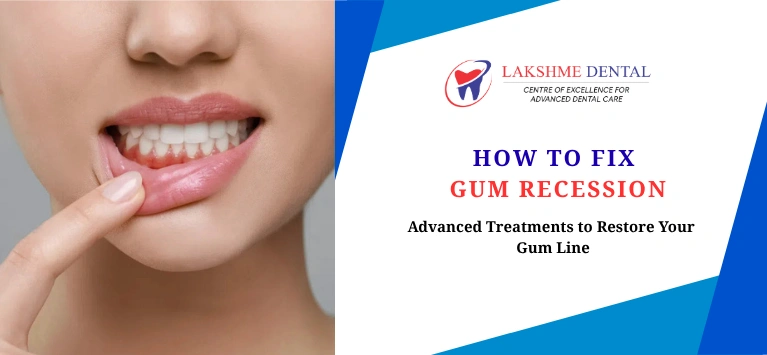
If you’ve noticed your teeth looking longer or experiencing sensitivity near the gum line, you may be dealing with gum recession. Understanding how to fix gum recession is essential because this condition can progress over time and affect both your oral health and confidence.
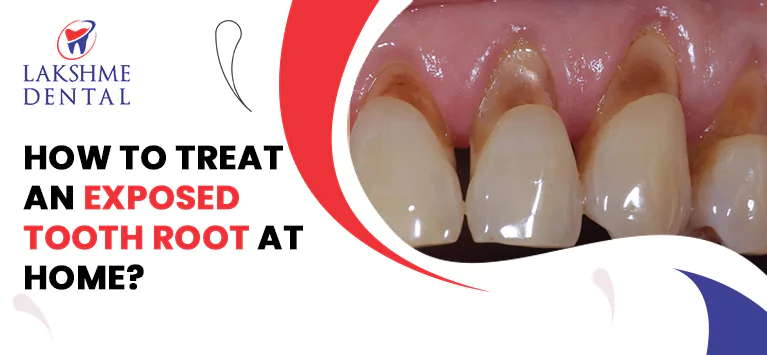
Gum recession occurs when the gum tissue pulls away from the teeth, exposing the roots underneath. While it cannot reverse naturally, modern dentistry offers several effective ways to fix gum recession and restore a healthy gum line.
What Happens When Gum Recession Progresses?
As the gums recede, the exposed root surfaces become more vulnerable since they lack protective enamel. This can lead to:
- Increased tooth sensitivity
- Higher risk of root decay
- Plaque buildup below the gum line
- Weakening of the supporting bone
- Loosening of teeth in advanced cases
Because of these risks, knowing how to fix gum recession early can prevent serious complications.
Can Gum Recession Be Fixed?
A common question patients ask is whether receding gums can grow back. The answer is no—gum tissue does not regenerate naturally.
However, dentists can successfully treat and manage the condition by:
- Covering exposed roots
- Repairing damaged gum areas
- Reducing discomfort
- Preventing further progression
The right treatment depends on how severe the gum recession is.
How to Fix Gum Recession: Non-Surgical Treatments
In mild to moderate cases, dentists usually begin with non-invasive procedures to control the condition and improve gum attachment.
1. Scaling and Root Planing
Scaling and root planing is one of the most common first steps in treating gum recession caused by plaque buildup. This deep cleaning procedure removes bacteria, plaque, and tartar from beneath the gum line by smoothing the root surfaces. It helps the gums reattach to the teeth more effectively while also reducing inflammation and infection in the surrounding tissues.
2. Antibiotic Therapy
When gum recession is associated with infection, antibiotic therapy may be recommended along with cleaning procedures. These medications are typically applied directly under the gum line, where they help eliminate harmful bacteria and support faster healing of the affected gum tissue.
3. Dental Bonding
For patients experiencing sensitivity or visible root exposure, dental bonding offers a simple and effective solution. In this procedure, a tooth-colored material is applied to the exposed roots, helping to reduce discomfort while also improving the overall appearance of the teeth.
4. Orthodontic Treatment
In some cases, misaligned teeth can contribute to gum recession by placing uneven pressure on the gums. Orthodontic treatment helps correct the alignment of the teeth, which redistributes bite forces more evenly and reduces stress on the gum tissue, supporting long-term stability.
How to Fix Gum Recession: Surgical Treatments
When gum recession becomes more advanced, surgical procedures are often required to restore lost tissue and protect the exposed roots. These treatments are designed to provide long-term results by rebuilding the gum line and improving overall oral health.
1. Gum Graft Surgery
Gum grafting is widely considered the gold standard when it comes to how to fix gum recession permanently. In this procedure, healthy tissue is taken either from another area of the mouth—commonly the roof—or from a donor source and carefully placed over the exposed roots. The graft is then secured in position, allowing it to integrate with the existing gum tissue over time. This not only restores the natural gum line but also helps reduce sensitivity, protects the roots from decay, and significantly improves the overall appearance of the smile.
2. Pinhole Surgical Technique
The pinhole surgical technique is a modern and minimally invasive alternative to traditional grafting. Instead of using stitches or donor tissue, a small entry point is created in the gum tissue, through which specialized instruments are used to gently reposition the existing gum over the exposed roots. This method is often preferred by patients because it involves less discomfort, faster recovery, and provides immediate cosmetic improvement without the need for sutures.
3. Laser Gum Treatment
Laser-assisted treatment is an advanced approach used to manage gum recession associated with infection. Using precise laser technology, dentists can target and remove infected tissue while preserving healthy areas. This technique minimizes bleeding and swelling during the procedure and promotes faster healing by stimulating tissue regeneration, making it a comfortable and efficient option for many patients.
4. Regenerative Procedures
In severe cases where gum recession is accompanied by bone loss, regenerative procedures may be necessary. These treatments involve placing bone grafts or specialized regenerative materials in the affected areas to encourage the natural rebuilding of bone and supporting structures. Over time, this helps improve tooth stability and creates a stronger foundation for the gums, especially in advanced stages of periodontal damage.
How to Fix Gum Recession at Different Stages
The treatment approach varies depending on the severity of the condition.
- Mild recession: Deep cleaning and desensitizing treatments
- Moderate recession: Bonding or orthodontic correction
- Severe recession: Gum grafting or surgical procedures
Understanding these stages helps determine how to fix gum recession effectively.
Recovery After Gum Recession Treatment
Healing time depends on the procedure performed.
- Deep cleaning: A few days to heal
- Gum graft surgery: Around 1–2 weeks for initial recovery
- Pinhole technique: Faster healing, often within days
Following your dentist’s instructions is crucial for long-term success.
When Should You See a Dentist?
It’s important to seek professional care as soon as you notice any changes in your gums or teeth. Early signs of gum recession are often subtle, but ignoring them can lead to more serious issues over time. Watch out for symptoms such as
- Teeth appearing longer
- Visible roots
- Sensitivity that doesn’t go away
- Changes in your gum line
Early diagnosis makes it easier to fix gum recession with less invasive treatments.
Summary
Knowing how to fix gum recession is key to protecting your teeth and maintaining a healthy smile. While the condition cannot reverse naturally, modern dental treatments provide reliable solutions to restore gum health and prevent further damage.
Whether through non-surgical methods or advanced procedures like gum grafting, timely treatment ensures better results and long-term oral stability.
Frequently Asked Questions
No, receded gums do not grow back naturally. However, treatments can restore gum coverage and prevent further damage.
Gum grafting is considered the most effective and long-lasting solution for moderate to severe cases.
Maintain proper oral hygiene, use a soft toothbrush, avoid aggressive brushing, and visit your dentist regularly.
Yes, if untreated, it can lead to sensitivity, decay, bone loss, and tooth loss.
Desensitizing toothpaste helps reduce discomfort but does not cure or reverse gum recession.