Gums Growing Over Teeth: When To Worry

Key Facts
- Gums growing over teeth usually indicate inflammation, irritation, or eruption-related issues.
- Common areas include back teeth, molars, broken teeth, and around braces.
- Early signs include swollen gum edges, food trapping, and localized bleeding.
- Mild cases may improve with consistent oral hygiene and plaque control.
- Persistent gum overgrowth may hide decay or infection and needs dental evaluation.
- Not all gum overgrowth can be corrected at home, especially if structural or medication-related.
Gums growing over teeth is a common concern that patients notice during routine brushing, while eating, or when discomfort develops around a specific tooth. This overgrowth may appear suddenly or progress gradually, often raising questions about whether it is normal, temporary, or a sign of an underlying dental issue.
Clinically, gum tissue does not grow without cause. When the gums extend over part of a tooth, whether a back tooth, molar, or an area around braces, it usually reflects inflammation, irritation, or a local change in the oral environment that needs evaluation.
This article explains why gums grow over teeth, what different patterns may indicate, and when professional care is recommended.
What does it mean when gums grow over a tooth?
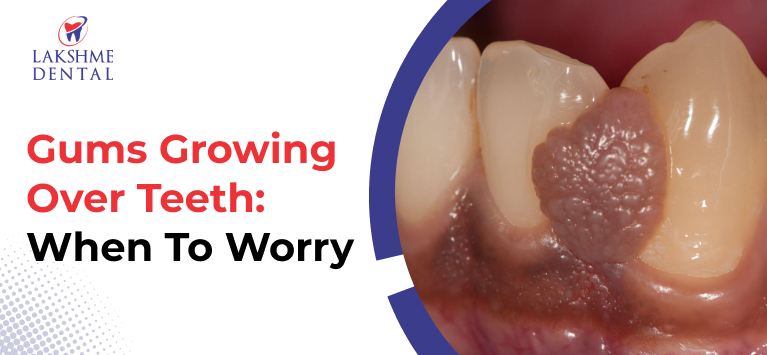
Gums growing over a tooth refers to an increase in gum tissue volume or thickness that partially covers the visible surface of a tooth. This may involve:
- A single tooth or multiple teeth
- The back teeth or molars
- Areas around orthodontic brackets
- Broken or partially erupted teeth
The condition may be painless initially, but over time it can trap food, increase bacterial buildup, and lead to discomfort or infection.
Common causes of gums growing over teeth
1. Inflammation due to plaque buildup
The most frequent cause of gum overgrowth is chronic plaque accumulation. When oral hygiene is inadequate, plaque irritates the gum margin, leading to swelling and thickening of gum tissue.
Over time, inflamed gums may appear to creep over the tooth surface, especially around molars where cleaning is more difficult.
2. Gum growing over a back tooth or molar
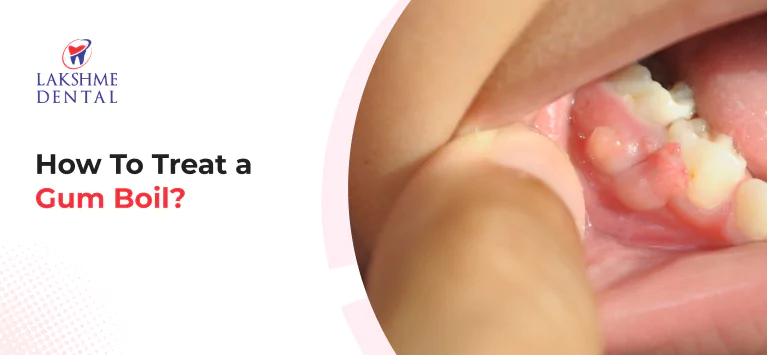
Gum tissue commonly grows over partially erupted molars, particularly wisdom teeth. This condition is often associated with pericoronitis, where a flap of gum covers part of the tooth.
Food and bacteria can become trapped beneath this tissue, causing:
- Pain or tenderness
- Swelling
- Bad breath
- Difficulty chewing
Without management, the inflammation can worsen or recur.
3. Gum grew over a broken or decayed tooth
When a tooth fractures or decays below the gum line, the surrounding gum tissue may grow over the damaged area as a protective response.
While this may reduce sensitivity initially, it often masks:
- Active decay
- Infection
- Non-restorable tooth structure
This situation requires dental assessment, as the underlying tooth may still need treatment or removal.
4. Overgrowing gums during orthodontic treatment
Gums growing over braces is a well-documented occurrence, especially in adolescents and young adults. Orthodontic appliances can make plaque control more challenging, increasing the risk of gum inflammation.
In response, the gums may enlarge around brackets and wires, sometimes covering part of the tooth surface. This condition is usually reversible with improved oral hygiene and professional cleaning.
5. Drug-induced gum overgrowth
Certain medications are known to cause gingival overgrowth, including:
- Some anti-seizure medications
- Immunosuppressants
- Specific blood pressure drugs
In these cases, gum tissue enlarges even with good oral hygiene. Management typically involves coordination between dental and medical care providers.
6. Hormonal and systemic factors
Hormonal shifts during puberty or pregnancy, as well as systemic conditions like uncontrolled diabetes, can make gums more sensitive to plaque, leading to excessive gum growth.
Is gum overgrowth dangerous?
Gum tissue growing over teeth is not always dangerous, but it should not be ignored. If left untreated, it can:
- Trap bacteria and food debris
- Increase the risk of gum infections
- Hide cavities or decay
- Lead to gum disease progression
- Cause discomfort or bleeding
Early evaluation helps determine whether the condition is reversible with hygiene measures or requires targeted treatment.
How can you identify gum overgrowth at home?
Early gum overgrowth is often subtle and can be self-identified before pain or infection develops. Paying attention to visual and tactile changes during daily oral care is key.
You may notice that part of the tooth surface looks shorter than before, or that the gum edge appears thicker, puffier, or uneven around a specific tooth. This is especially common around back teeth, molars, braces, or partially erupted teeth.
Another common sign is repeated food trapping in the same area, even after brushing. If flossing feels difficult or causes bleeding in one spot consistently, it may indicate inflamed gum tissue growing over the tooth margin.
Signs and symptoms you can self-assess
The following signs can often be identified at home and should prompt closer monitoring:
- Gum tissue covering part of a tooth that was previously visible
- Swollen or rounded gum margins instead of sharp, firm edges
- Bleeding while brushing or flossing in a specific area
- Persistent bad breath or bad taste near one tooth
- Mild discomfort or pressure around a molar or back tooth
- A flap of gum over a partially erupted tooth
- Difficulty cleaning around braces due to thickened gums
If these signs persist for more than 7–10 days despite good oral hygiene, professional evaluation is advised.
Can gum overgrowth be managed at home?
Mild inflammatory gum overgrowth can sometimes be improved at home if addressed early. The goal is to reduce bacterial irritation and allow the gums to return to a healthier contour.
At-home measures include:
- Brushing twice daily with a soft-bristled toothbrush
- Cleaning gently along the gumline without aggressive scrubbing
- Flossing carefully around the affected tooth to remove trapped debris
- Rinsing with warm salt water to reduce inflammation
- Paying extra attention to back teeth and orthodontic areas
However, gum tissue that grows due to structural issues, medication effects, or partially erupted teeth cannot be fully corrected at home. In such cases, home care may reduce symptoms but will not resolve the underlying cause.
When home care is not enough?
If gum tissue continues to enlarge, becomes painful, or repeatedly traps food, home care alone is insufficient. Persistent gum overgrowth may hide decay, worsen infection risk, or interfere with proper tooth cleaning.
At this stage, a dental evaluation helps determine whether professional cleaning, targeted treatment, or gum reshaping is required.
How dentists evaluate gums growing over teeth?
A professional dental examination typically includes:
- Visual and tactile assessment of the gums
- Measurement of gum pockets
- Evaluation of tooth eruption or damage
- Review of medical history and medications
- Dental X-rays, if needed
The goal is to identify whether the overgrowth is inflammatory, structural, medication-related, or associated with tooth pathology.
Treatment options for overgrowing gums
Treatment depends on the underlying cause and severity.
Conservative management
- Professional dental cleaning
- Improved brushing and flossing techniques
- Antibacterial mouth rinses
- Orthodontic hygiene guidance (for braces)
Targeted interventions
- Removal of trapped debris around partially erupted teeth
- Management of decay or broken teeth
- Medication review (in coordination with the physician)
Surgical options (when necessary)
- Gum reshaping or reduction procedures
- Removal of excess gum tissue obstructing tooth health
The choice of treatment is individualized and based on clinical findings rather than cosmetic concerns alone.
When should you see a dentist?
You should seek dental evaluation if:
- Gum tissue is consistently covering part of a tooth
- There is pain, swelling, or bleeding
- Food frequently gets stuck under the gum
- A broken or decayed tooth is involved
- Gum overgrowth worsens over time
Conclusion
Gums growing over teeth is a visible sign that the oral environment has changed, most often due to inflammation, irritation, or structural issues involving the tooth. While it may seem minor at first, persistent gum overgrowth can interfere with oral hygiene and mask underlying dental problems.
Timely evaluation, appropriate hygiene measures, and targeted treatment help restore gum health and prevent long-term complications. When addressed early, most cases can be managed conservatively and effectively.
Frequently Asked Questions
Yes, if plaque control is poor or the underlying cause persists, gum overgrowth can recur.
Not always. While common with wisdom teeth, it can also occur with partially erupted molars or inflamed gum tissue.
In many cases, the condition is reversible once inflammation is controlled.
Aggressive brushing usually causes gum recession, not overgrowth. However, it can worsen inflammation if plaque is not removed effectively.