Tooth Abscess: Warning Signs You Should Never Ignore

A toothache can sometimes feel like a minor problem that will go away on its own. But if the pain is severe, keeps returning, or is accompanied by swelling, it may be a sign of a tooth abscess.
A tooth abscess is an infection that causes pus to build up inside a tooth, around its root, or in the surrounding gum tissue. It can develop due to an untreated cavity, a crack in the tooth, an injury, or gum disease.
The earlier a tooth abscess is identified, the sooner it can be treated. Here are some warning signs you should not ignore.
What Causes a Tooth Abscess?
A tooth abscess usually starts when bacteria enter a tooth or the surrounding tissues. An untreated cavity can gradually spread deeper into the tooth, eventually reaching the inner pulp.
A crack or injury can also allow bacteria to enter. In some cases, advanced gum disease can cause an infection to develop around the tooth.
Once an infection develops, pus may build up and cause pain, swelling, and other noticeable symptoms.
Warning Signs of a Tooth Abscess You Should Never Ignore
A Severe or Persistent Toothache
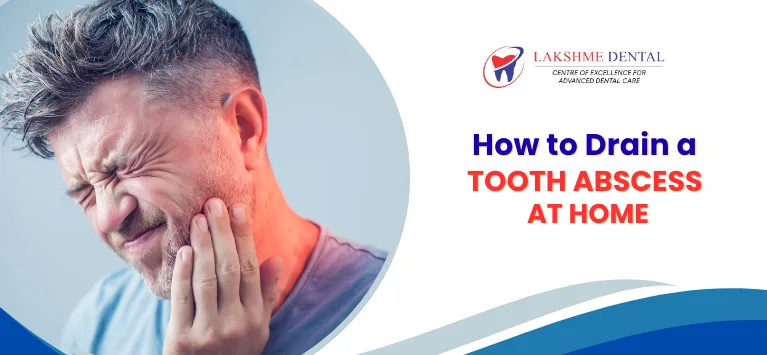
A severe, throbbing toothache is often one of the first signs that something may be wrong. The pain may become worse when you bite or chew and can sometimes spread towards your jaw, ear, or neck.
If your toothache continues instead of improving, it is best to have the tooth examined rather than simply waiting for the pain to go away.
Sensitivity That Doesn’t Go Away
Hot or cold foods and drinks can cause discomfort when a tooth is affected by decay or infection. However, if the sensitivity lingers even after the food or drink is gone, it may be a sign that the tooth needs attention.
Sensitivity can have several causes, so a dental examination is needed to determine whether an abscess or another dental problem is responsible.
Swelling Around the Tooth or Face
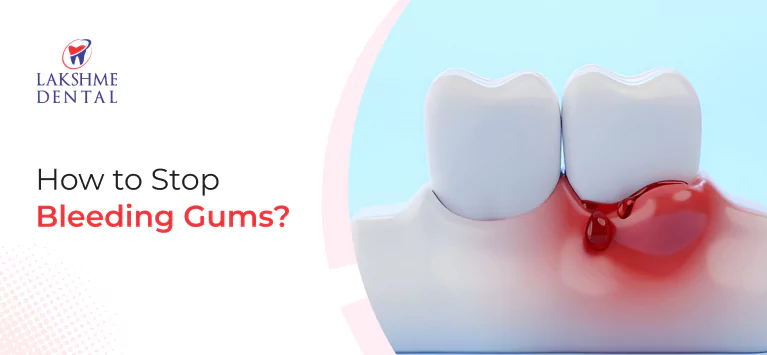
An infection can cause the gums around the affected tooth to become swollen and tender. As the infection progresses, swelling may also appear in the cheek, jaw, or face.
Facial swelling associated with tooth pain should not be ignored, particularly if it is getting worse.
A Pimple-Like Bump on Your Gums
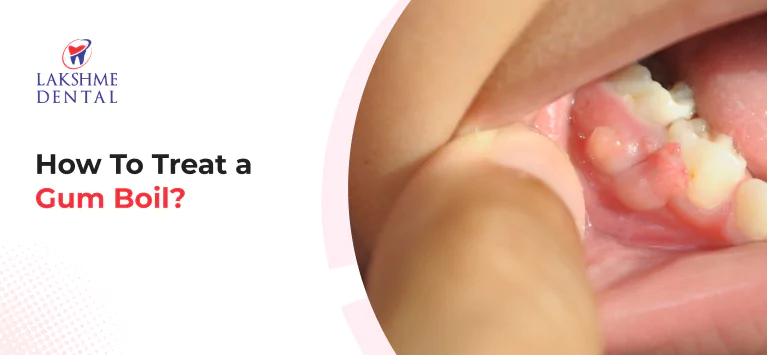
Have you noticed a small bump or pimple-like spot on your gums near a painful tooth? It could be a sign that an abscess has formed.
Sometimes, an abscess may drain through this area, causing a bad taste or a sudden release of fluid in the mouth. Even if the pain feels better afterwards, the infection may still be present and should be checked by a dentist.
Fever or Feeling Unwell
A tooth abscess can sometimes cause more than local pain. You may also experience a fever, chills, tiredness, or a general feeling of being unwell.
These symptoms may indicate that the infection is affecting the body beyond the affected tooth and should be evaluated promptly.
Difficulty Opening Your Mouth
If you experience pain or stiffness when trying to open your mouth, it may be related to swelling or infection affecting the surrounding tissues.
Can a Tooth Abscess Go Away on Its Own?
A tooth abscess generally does not go away permanently without proper treatment.
Sometimes, the abscess may drain, causing the pressure and pain to reduce temporarily. This may make you feel like the problem has gone away, but the infection causing the abscess may still be present.
The infection can return or continue to spread, so it is important to see a dentist even if your symptoms suddenly improve.
What Happens If a Tooth Abscess Is Left Untreated?
An untreated tooth abscess can become more serious over time. The infection may spread into the surrounding tissues and, in some cases, affect the jawbone or other areas of the body.
The affected tooth may also become too damaged to save, potentially leading to tooth loss.
Getting dental treatment early may help control the infection and, when possible, preserve the natural tooth.
When Is a Tooth Abscess a Dental Emergency?
You should seek urgent medical or dental attention if you have a tooth abscess along with:
- Significant swelling in your face or jaw
- Difficulty breathing or swallowing
- A high fever
- Rapidly worsening symptoms
- Severe difficulty opening your mouth
These symptoms can indicate that the infection is spreading and needs immediate attention.
How Is a Tooth Abscess Treated?
The treatment depends on how severe the infection is and whether the affected tooth can be saved.
If the tooth is damaged but still restorable, root canal treatment may be recommended. This removes the infected tissue from inside the tooth and allows the natural tooth to be preserved.
If the tooth is too severely damaged to save, tooth extraction may be necessary. In some cases, the dentist may also need to drain the abscess.
Antibiotics may be prescribed in certain situations, especially when there are signs that the infection has spread. However, antibiotics alone do not remove the source of an infection inside an affected tooth.
How Can You Prevent a Tooth Abscess?
Good daily oral care can help reduce your risk of developing an abscess. Brush your teeth twice a day with fluoride toothpaste and clean between your teeth regularly.
Regular dental check-ups can also help identify cavities, cracks, and gum problems before they develop into more serious infections. If you notice tooth pain or damage to a tooth, getting it checked early may help prevent the problem from worsening.
Final Thoughts
A tooth abscess is not something you should simply wait out. A severe toothache, swelling, sensitivity, a pimple-like bump on the gums, fever, or a bad taste in your mouth can all be signs that an infection may be present.
Even if the pain suddenly improves, the infection may not have gone away. Getting the tooth examined early can help identify the cause and determine whether the tooth can still be saved.
If you notice symptoms of a tooth abscess, schedule a dental evaluation rather than waiting for the infection to become more serious.
Frequently Asked Questions
A severe or persistent toothache is one of the most common warning signs. Swelling, sensitivity, a bad taste in the mouth, or a pimple-like bump on the gums can also indicate an abscess
A tooth abscess generally requires professional dental treatment. Even if it drains and the pain temporarily improves, the underlying infection may still be present.
A tooth abscess requires prompt dental attention. If you experience significant facial swelling, difficulty breathing or swallowing, a high fever, or rapidly worsening symptoms, seek urgent medical attention.
Yes, in some cases. Root canal treatment can remove the infection and save the natural tooth when it is still restorable. However, extraction may be necessary if the tooth is severely damaged.
A tooth abscess should not be left untreated. The infection may spread and cause more serious complications, so it is best to seek dental care as soon as possible.