Why Are My Gums Bleeding?

Noticing blood while brushing or rinsing your mouth can be concerning. While occasional gum bleeding may not always indicate a serious problem, repeated bleeding is often a sign that your gums need attention.
Many people assume bleeding gums are caused only by brushing too hard, but several factors can contribute to this issue. Plaque buildup, gum infections, nutritional deficiencies, hormonal changes, certain medications, and underlying health conditions can all affect your gum health.
Understanding why your gums are bleeding is important because early detection can help prevent minor gum problems from becoming more serious dental concerns.
Why Do Gums Bleed?
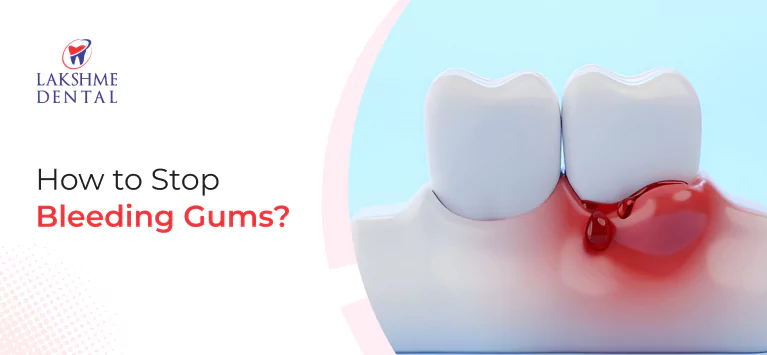
Healthy gums usually do not bleed during regular brushing or flossing. When bleeding occurs, it often means the gum tissue has become irritated, inflamed, or more sensitive than usual.
One of the most common causes is plaque accumulation. A thin layer of bacteria naturally develops on your teeth throughout the day. When this buildup is not removed properly through brushing and flossing, it can collect near the gumline and irritate the gums.
This irritation may cause symptoms such as redness, swelling, tenderness, and bleeding. However, plaque is not the only reason gums may bleed. Factors like your diet, lifestyle habits, hormonal changes, medications, and overall health can also influence your gum condition.
If your gums continue to bleed even after maintaining proper oral hygiene, it is important to consult a dentist to identify the underlying cause.
Common Causes of Bleeding Gums
Plaque Build-Up and Gingivitis
Plaque buildup is one of the most frequent reasons behind bleeding gums. This soft, sticky layer contains bacteria that can accumulate around your teeth and gumline.
When plaque remains for a long time, it irritates the gums and may lead to gingivitis, the earliest stage of gum disease. Common signs include bleeding while brushing, swollen gums, redness, and gum sensitivity.
The positive news is that gingivitis can often be reversed with professional dental cleaning, regular brushing, flossing, and improved oral care habits.
Periodontitis
When gingivitis is ignored and left untreated, it may progress into periodontitis, a more advanced form of gum disease.
Periodontitis affects the tissues and bone that support your teeth. Along with bleeding gums, you may experience symptoms such as persistent bad breath, gum recession, loose teeth, or discomfort while eating.
Since periodontitis can lead to permanent damage if untreated, professional dental treatment is necessary to control the infection and protect your oral health.
Brushing or Flossing Too Hard
Bleeding gums are not always caused by an infection or gum disease. Sometimes, the way you clean your teeth can be the reason behind the bleeding.
Using excessive pressure while brushing, choosing a hard-bristled toothbrush, or flossing aggressively can injure delicate gum tissue.
Switching to a soft-bristled toothbrush and following a gentle brushing technique can help reduce irritation and protect your gums.
Vitamin Deficiencies
Your nutritional health can also affect the condition of your gums.
A lack of Vitamin C may weaken gum tissues and make them more prone to bleeding, while insufficient Vitamin K can affect the body’s ability to form blood clots properly.
Although vitamin deficiencies are not the most common cause of bleeding gums, they may contribute to the problem. If bleeding continues despite good oral hygiene, your dentist may recommend further evaluation.
Hormonal Changes
Changes in hormone levels can make your gums more sensitive and reactive.
Conditions such as pregnancy, puberty, menstruation, and menopause may increase gum sensitivity, making inflammation and bleeding more likely, especially when plaque is present.
Maintaining regular brushing, flossing, and dental visits during these periods can help reduce gum-related problems.
Medical Conditions and Certain Medications
Sometimes, bleeding gums can be connected to your overall health rather than just your oral hygiene routine.
Health conditions such as diabetes, blood disorders, and immune system-related problems may increase the risk of gum bleeding. Certain medications, including blood-thinning medicines, can also make bleeding occur more easily.
If you notice frequent bleeding after starting a new medication or if the problem appears without an obvious reason, consult your dentist or healthcare provider.
Is It Normal for Gums to Bleed While Brushing?
A small amount of bleeding may occur when you recently begin flossing or change your brushing habits, especially if your gums are not used to regular cleaning.
However, gums bleeding every time you brush or floss should not be considered normal. Frequent bleeding is often an indication of gum inflammation or another underlying dental issue that requires attention.
How to Stop Bleeding Gums
Start by identifying the cause. Brush gently with a soft-bristled toothbrush, floss daily, and keep up with regular dental cleanings. Knowing how to stop bleeding gums naturally often starts with these small daily habits, though if gum disease or another health condition is behind the bleeding, treating that underlying cause is essential
When Should You See a Dentist?
Occasional gum bleeding may not always require urgent care, but ongoing bleeding should not be ignored.
You should schedule a dental consultation if you experience:
- Bleeding gums that continue for more than a week
- Red, swollen, or painful gums
- Continuous bad breath
- Gum recession
- Loose teeth
- Pain while chewing
- Pus around the gums
- Increased tooth sensitivity
Early diagnosis and treatment can prevent minor gum problems from progressing into more severe conditions.
Final Thoughts
If you are searching for “Why Are My Gums Bleeding?”, the answer may range from simple causes like plaque buildup or brushing habits to more complex issues such as gum disease or health-related conditions.
While occasional bleeding may not always be serious, repeated gum bleeding is your body’s way of indicating that something needs attention. Identifying the cause early makes treatment easier and helps protect your gums and teeth in the long run.
If your gums continue to bleed despite following proper oral care practices, visiting a dentist can help determine the exact cause and provide the right treatment plan.
Frequently Asked Questions
The most common reason is plaque buildup, which can irritate the gums and cause inflammation. Brushing too hard or using an unsuitable toothbrush can also contribute to bleeding.
Minor bleeding caused by temporary irritation may improve with better brushing and flossing habits. However, persistent bleeding should be checked by a dentist to identify the underlying cause.
No. Gum disease is a common reason, but bleeding gums can also result from aggressive brushing, nutritional deficiencies, hormonal changes, medications, or certain health conditions.
Low levels of Vitamin C and Vitamin K may contribute to gum bleeding by affecting gum strength and blood clotting ability.
No. Stopping brushing can allow more plaque to accumulate and worsen gum problems. Continue cleaning your teeth gently with a soft-bristled toothbrush and maintain regular oral hygiene.