Dry Socket vs Normal Socket: Causes, Symptoms & Treatments

After a tooth extraction, some discomfort is completely normal. In most cases, the extraction site heals naturally as a blood clot forms and protects the underlying bone and nerves. However, if that blood clot becomes dislodged too early, a painful condition called dry socket can develop. Understanding the difference between a normal socket and a dry socket can help you recognize warning signs early and know when to contact your dentist.
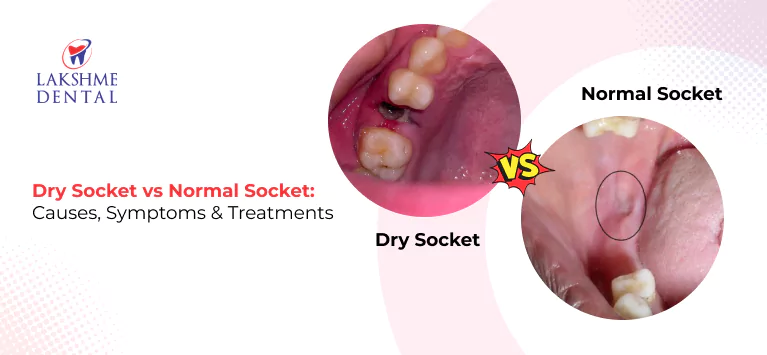
A normal socket heals with a protective blood clot and mild discomfort. A dry socket occurs when that clot is lost, exposing the bone and causing severe pain, bad breath, and delayed healing that often requires professional treatment.
What Is a Tooth Socket?
A tooth socket is the space in the jawbone that holds a tooth in place. After a tooth is extracted, the socket remains empty and begins healing naturally. The most important part of this healing process is the formation of a blood clot. This clot protects the exposed bone and nerves while new tissue develops underneath.
When the blood clot remains in place, healing usually progresses normally. When the clot is lost too early, a dry socket can develop.
What is a normal socket?
A normal socket is the natural healing process that occurs after a tooth extraction. When a tooth is removed, a blood clot forms in the empty socket, protecting the underlying bone and nerves. This blood clot is essential for the healing process, as it provides a foundation for new tissue growth.
Causes of Normal Socket
A normal socket forms after a tooth is extracted. Here are some common causes:
- Tooth Extraction: When a tooth is removed, a hole is left in the gum and bone.
- Healing Process: The body naturally forms a blood clot in the socket to start healing.
- Bone Resorption: Over time, the bone around the socket starts to shrink as part of healing.
These causes are a natural part of the healing process after tooth extraction.
Symptoms of Normal Socket
Recognizing the symptoms of a normal socket can help in distinguishing it from complications. Below are some typical symptoms:
- Initial Pain: Mild to moderate pain is normal after tooth extraction.
- Swelling: Some swelling around the extraction site is common.
- Bleeding: Light bleeding or oozing from the socket may occur for the first 24 hours.
- Blood Clot Formation: A dark blood clot in the socket is a normal part of healing.
- Healing Gums: The gums will start to heal and close over the socket in a few weeks.
These symptoms indicate that the body is healing naturally. Keeping an eye on these can ensure the process is on track.
Treatments of Normal Socket
Proper care and treatments are vital for a normal socket to heal without complications. Here are some effective treatments:
- Cold Compress: Applying a cold compress can reduce swelling and pain.
- Saltwater Rinse: Slowly rinsing with salt water can keep the area clean and aid healing.
- Avoiding Straws: Using straws can dislodge the blood clot and should be avoided.
- Soft Foods: Eating soft foods prevents irritation of the socket and promotes healing.
- Good Oral Hygiene: Keeping the mouth clean but avoiding the socket area helps prevent infection.
Following these treatments helps in a smooth and complication-free recovery. Proper care ensures that the socket heals well and avoids problems like dry sockets.
What is a Dry Socket?
Dry socket, also known as alveolar osteitis, is a painful condition that may develop after a tooth extraction. It happens when the blood clot that forms in the socket dislodges or dissolves before the wound heals, exposing the underlying bone and nerves.
Causes of Dry Socket
Several factors can cause a dry socket. Here they are:
- Smoking: Smoking can dislodge blood clots due to the suction created while inhaling and the chemicals in cigarettes that can affect healing.
- Poor Oral Hygiene: Not maintaining proper oral hygiene can lead to infections, increasing the risk of dry sockets.
- Vigorous Rinsing or Spitting: Rinsing the mouth vigorously or spitting frequently can dislodge the blood clot.
- Using Straws: Sipping through straws creates suction in the mouth, which can dislodge the blood clot.
- Oral Contraceptives: High levels of estrogen in oral contraceptives can interfere with the healing process.
Symptoms of Dry Socket
Recognizing the symptoms of dry sockets is important for timely treatment. Signs are:
- Severe Pain: Intense pain that radiates to the ear, eye, or neck is a common symptom. This pain usually starts a few days after the tooth extraction.
- Empty Socket: The socket appears empty, with a visible bone where the blood clot is missing.
- Bad Breath and Unpleasant Taste: A foul smell or taste in the mouth indicates a possible infection or dry socket.
- Swollen Lymph Nodes: Swelling in the lymph nodes around the neck or jaw can occur as the body responds to the exposed bone.
Identifying these symptoms early can lead to prompt treatment and relief from dry sockets.
Treatments for Dry Socket
Treating dry sockets involves several steps to manage pain and promote healing, which are:
- Medicated Dressings: Dentists use medicated dressings to cover the exposed bone and provide pain relief. These dressings are replaced regularly until the socket heals.
- Pain Management: Over-the-counter pain relievers or prescribed medications help manage the severe pain associated with dry sockets.
- Antibiotics: If an infection is present, antibiotics are prescribed to control it and prevent further complications.
- Flushing the Socket: The dentist may flush the socket to remove any debris and promote healing. This can help reduce pain and prevent infection.
- Self-Care at Home: Rinsing with warm salt water and avoiding smoking or using straws can aid in recovery. It’s important to follow the dentist’s instructions for at-home care.
Following these treatments can help manage dry sockets effectively and promote a faster recovery.
Preventing Dry Socket
Preventing dry sockets involves taking certain precautions after a tooth extraction. Below they are:
- Avoid Smoking: Refrain from smoking for at least 48 hours after tooth extraction to prevent dislodging the blood clot.
- Follow Dental Instructions: Adhere to the post-extraction instructions provided by the dentist, including how to care for the extraction site.
- Maintain Oral Hygiene: Keep the mouth clean by gently brushing and rinsing with mouthwash, avoiding the extraction site initially.
- Avoid Vigorous Actions: Avoid actions like spitting or using straws that can create suction and dislodge the blood clot.
Taking these precautions can significantly reduce the risk of developing a dry socket after tooth extraction.
Dry Socket vs Normal Socket: What’s the Difference?
| Comparison Point | Normal Socket | Dry Socket |
| Blood Clot | Present | Missing or dislodged |
| Pain Level | Mild to moderate | Severe and throbbing |
| Healing Time | 7 to 10 days | 2 to 3 weeks or longer |
| Socket Appearance | Dark blood clot visible | Empty socket with exposed bone |
| Bad Breath | Usually absent | Common |
| Dental Treatment Needed | Usually no | Often yes |
Final Thoughts
Understanding the differences between a normal socket and a dry socket is crucial for anyone undergoing tooth extraction. A normal socket heals with minimal discomfort, while a dry socket can lead to severe pain and extended healing time.
By following proper care instructions and being aware of the symptoms, one can prevent and manage dry sockets effectively. Prioritizing dental health and adhering to professional advice ensures a smoother recovery and better oral health overall.
Frequently Asked Questions
A dry socket usually causes severe, throbbing pain that develops a few days after a tooth extraction. You may also notice an empty-looking socket, exposed bone, bad breath, or an unpleasant taste in your mouth.
Most normal tooth sockets heal significantly within 7 to 10 days, although complete healing of the bone and surrounding tissues may take several weeks depending on the extraction and the individual’s healing response.
A dry socket occurs when the protective blood clot in the extraction site becomes dislodged or dissolves too early. Smoking, using straws, vigorous rinsing, poor oral hygiene, and certain hormonal factors can increase the risk.
A dry socket will eventually heal as new tissue forms, but it can be extremely painful and may take longer to recover without treatment. Visiting a dentist can help relieve pain and promote proper healing.
To reduce the risk of dry socket, avoid smoking, do not use straws, follow your dentist’s aftercare instructions, maintain good oral hygiene, and avoid vigorous rinsing or spitting during the first few days after tooth extraction.