Can a Decaying Tooth Kill You? What the Evidence Says

Key Facts
- A small cavity will not kill you, but untreated infection can become serious.
- Tooth decay becomes dangerous when bacteria reach the inner nerve and form an abscess.
- Spreading infection can affect the jaw, face, or bloodstream in rare cases.
- Fever, facial swelling, and difficulty swallowing are warning signs that need urgent care.
- Early dental treatment prevents almost all severe complications.
- Poor long-term oral health has been linked to higher overall health risks in research studies.
A small cavity will not kill you.
But an untreated tooth infection can become dangerous if it spreads.
This topic often causes anxiety, especially after reading headlines about oral health being linked to early death. Let’s break it down calmly and clearly.
What happens when a tooth decays?
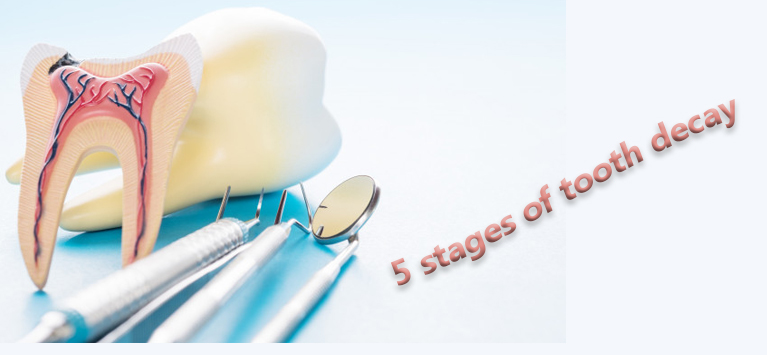
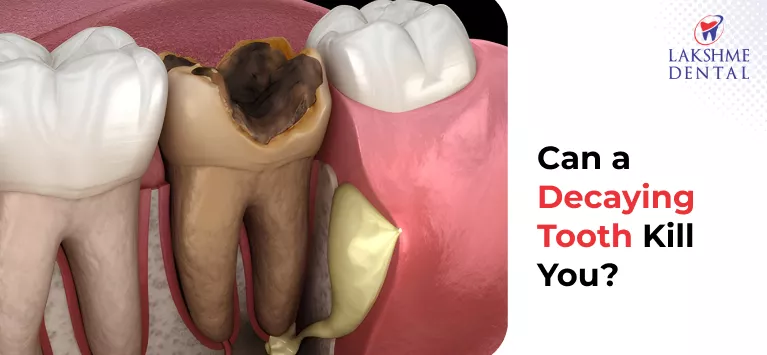
Tooth decay starts as a small area of damage on the outer layer of the tooth. If treated early, it can be fixed easily with a filling.
If ignored, decay can:
- Reach the inner part of the tooth (where the nerve is)
- Cause severe pain
- Form an abscess (a pocket of infection)
- Spread beyond the tooth
It is the spread of infection, not the cavity itself, that becomes risky.
How can a tooth infection become serious?
Inside every tooth is soft tissue with nerves and blood supply. If bacteria enter this space and multiply, the infection can move beyond the tooth into:
- The jaw
- The surrounding face and neck tissues
- In rare cases, the bloodstream
When infection spreads into the bloodstream, it can lead to a serious condition called sepsis. This is uncommon, but it is the reason dental infections should never be ignored.
What does the research say?
An article published on ScienceAlert discussed research showing that poor oral health may be linked to a higher risk of early death.
This does not mean a single cavity is fatal.
What the research suggests is this:
- Ongoing gum disease and untreated dental problems can cause long-term inflammation in the body.
- Chronic inflammation is linked to conditions such as heart disease and diabetes.
- People with poor oral health often have higher overall health risks.
In simple terms: Your mouth is connected to the rest of your body. Long-term infection anywhere, including the mouth can affect overall health.
Warning signs a tooth infection is becoming serious
Seek urgent care if you notice:
- Severe, constant tooth pain
- Swelling in the face or jaw
- Fever
- Difficulty swallowing
- Difficulty breathing
- Feeling very unwell along with dental pain
These symptoms suggest the infection may be spreading and need immediate medical attention.
Signs your decay is still in an early stage
Early decay usually causes:
- Sensitivity to sweets or cold
- Mild pain when chewing
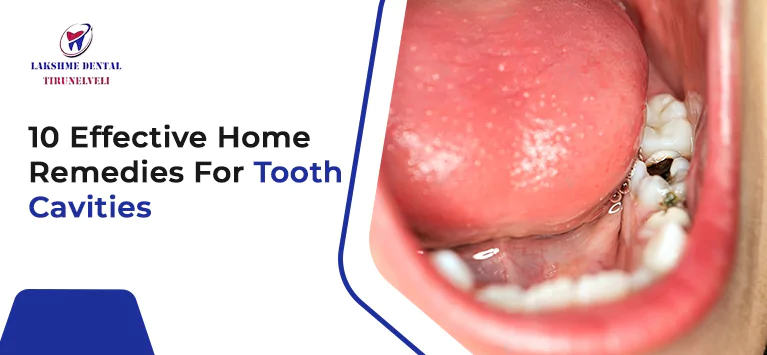
- A visible dark spot on a tooth
- Occasional discomfort that comes and goes
At this stage, treatment is typically simple and straightforward.
Why ignoring dental problems increases risk?
Many serious dental infections start as small, manageable cavities. Delays happen because:
- Pain comes and goes
- There is no swelling yet
- The discomfort feels tolerable
But infection does not resolve on its own. Once bacteria reach deeper layers, the situation becomes more complicated.
Early care prevents larger problems.
Who is at higher risk of complications?
Certain individuals should be especially cautious:
- People with diabetes
- Those with weakened immune systems
- Individuals undergoing cancer treatment
- Elderly patients
- People who delay dental care for long periods
In these groups, infections can spread more quickly or heal more slowly.
Can this be prevented?
Yes.
Most serious dental infections are preventable with:
- Brushing twice daily
- Flossing daily
- Reducing frequent sugar intake
- Regular dental checkups
- Treating small cavities early
Dental infections rarely become life-threatening when managed promptly.
So, can a decaying tooth kill you?
A simple cavity will not kill you.
But ignoring a spreading tooth infection can, in rare cases, become life-threatening.
The key difference is early treatment.
Your mouth is part of your overall health. Addressing dental problems early protects more than just your teeth.
Frequently Asked Questions
A simple cavity will not kill you. However, if decay is ignored and turns into a spreading infection, it can become dangerous in rare cases.
If bacteria reach the inner part of the tooth, they can move into surrounding tissues. In severe untreated cases, infection can spread to the jaw, face, or bloodstream.
Seek urgent care if you have: Facial swelling, Fever, Severe, constant pain, Trouble swallowing, Trouble breathing. These symptoms suggest the infection may be spreading.
No. Mild sensitivity or occasional pain often indicates early decay. But persistent or worsening pain should always be checked.
The article discussed research showing that poor long-term oral health is linked with higher overall health risks. It does not mean one cavity causes death. It highlights the importance of managing ongoing infection and inflammation.
Antibiotics may reduce swelling temporarily, but they do not remove the source of infection. The tooth still requires dental treatment.