How to Get Rid of Yellow Teeth

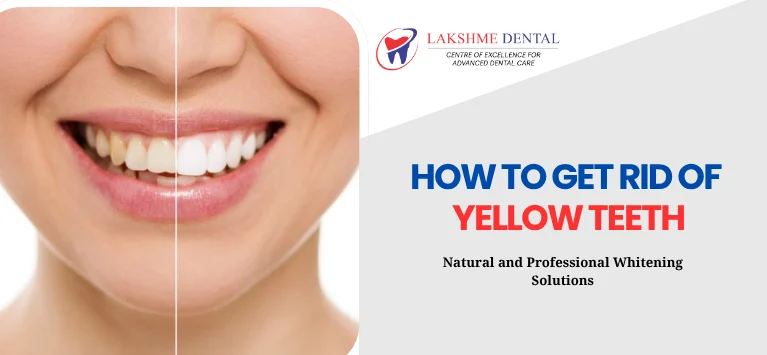
Yellow or stained teeth are one of the most common cosmetic concerns people experience today. Regular consumption of coffee, tea, soft drinks, and tobacco can gradually stain the teeth and affect the appearance of your smile. In some cases, poor oral hygiene and enamel wear can also make teeth look dull or discoloured over time.
If you are wondering how to get rid of yellow teeth safely, the good news is that a combination of healthy habits, proper oral care, and professional dental treatments can help restore a cleaner and brighter smile without damaging your teeth.
Why Do Teeth Turn Yellow?
Teeth can turn yellow for several reasons. In many people, stains develop on the outer enamel layer because of food, beverages, and smoking habits. As enamel becomes thinner with age, the yellowish dentin beneath the surface becomes more visible, making teeth appear darker.
Some of the most common causes of yellow teeth include:
- Frequent intake of coffee, tea, red wine, and coloured beverages
- Smoking or chewing tobacco
- Poor brushing and flossing habits
- Plaque and tartar buildup
- Acidic foods and drinks that weaken enamel
- Certain medications or dental trauma during childhood
- Natural ageing and genetic factors
Some people naturally have thinner enamel or darker dentin, which means their teeth may appear more yellow even with good oral hygiene. Deep internal stains usually require professional teeth whitening or cosmetic dental treatment for noticeable improvement.
Daily Habits to Prevent Yellow Teeth
Maintaining proper oral hygiene is one of the best ways to reduce staining and keep teeth looking healthy.
Brush your teeth at least twice daily using a soft-bristle toothbrush and fluoride toothpaste. Gentle brushing helps remove plaque and surface stains without harming the enamel. Whitening toothpaste may also help remove mild stains when used correctly.
Flossing once a day is equally important because food particles and plaque often collect between teeth where a toothbrush cannot reach. Rinsing your mouth with water after consuming coffee, tea, soda, or wine can help reduce stain buildup.
It is also better to avoid brushing immediately after acidic foods or drinks. Waiting for around 20 to 30 minutes protects softened enamel from damage.
To reduce yellow stains on teeth:
- Limit sugary and acidic drinks
- Avoid smoking and tobacco use
- Drink more water throughout the day
- Eat crunchy fruits and vegetables like apples and carrots
- Visit your dentist regularly for a professional cleaning
These simple habits help prevent new stains and improve the effectiveness of dental whitening treatments.
Safe Home Remedies for Yellow Teeth
Certain home remedies may help reduce mild surface stains when used carefully. However, excessive use of abrasive or acidic ingredients can damage enamel and increase tooth sensitivity.
Baking Soda and Hydrogen Peroxide
A mixture of baking soda and a small amount of hydrogen peroxide is commonly used to reduce surface stains. Since baking soda has mild abrasive properties, it can help polish teeth gently. However, it should only be used occasionally and not as a replacement for regular toothpaste.
Coconut Oil Pulling
Oil pulling with coconut oil is another popular home remedy. Swishing coconut oil in the mouth for several minutes may help reduce bacteria and plaque buildup. While it supports oral hygiene, it does not produce dramatic whitening results on its own.
Healthy Diet for Better Oral Health
Eating vitamin-rich fruits and vegetables may naturally support cleaner teeth by increasing saliva production and reducing plaque accumulation.
Avoid using harsh DIY whitening methods such as:
- Lemon juice on teeth
- Undiluted apple cider vinegar
- Excessive charcoal powders
- Aggressive scrubbing methods
These techniques may weaken enamel and make teeth appear even more yellow over time.
When to Visit a Dentist for Teeth Whitening
If your teeth remain yellow despite maintaining good oral hygiene, professional treatment may be the best option. Deep stains caused by smoking, ageing, medications, or enamel damage usually respond better to dental whitening procedures than home remedies.
A dentist can examine the condition of your teeth and identify whether the discoloration is caused by surface stains, enamel wear, or underlying dental issues before recommending treatment.
Professional Treatments for Yellow Teeth
In-Clinic Teeth Whitening
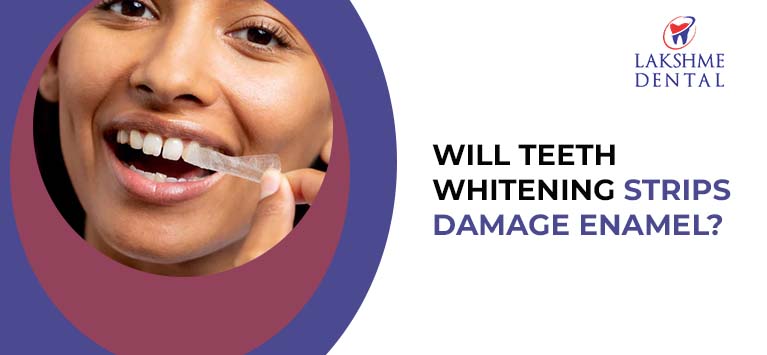
Professional teeth whitening uses dentist-approved whitening agents to safely brighten teeth in a shorter time. This treatment can significantly improve stains caused by food, beverages, and smoking.
Dental Cleaning and Scaling
Professional cleaning removes plaque and tartar buildup that regular brushing cannot fully eliminate. This helps teeth look cleaner and healthier.
Veneers or Cosmetic Bonding
For severe discoloration that does not respond to whitening, veneers or cosmetic bonding may be recommended. These cosmetic dental treatments improve both the colour and appearance of teeth.
Tips to Maintain White Teeth After Whitening
After whitening treatment, maintaining good habits is essential to keep your smile bright for a longer time.
Follow these simple tips:
- Brush and floss regularly
- Reduce coffee, tea, and tobacco use
- Rinse your mouth after meals
- Schedule regular dental checkups
- Use dentist-recommended oral care products
Consistent oral care helps prevent new stains and supports long-term dental health.
Final Thoughts
Yellow teeth are a common concern, but with proper oral hygiene, healthy lifestyle choices, and professional dental care, it is possible to achieve a cleaner and brighter smile safely. Understanding the cause of discoloration helps you choose the right treatment and avoid methods that may harm your enamel.
If home remedies are not giving noticeable results, visiting a dental professional for teeth whitening or cosmetic dental treatment can help restore confidence in your smile while protecting your long-term oral health.
Frequently Asked Questions
Yes. Mild to moderate yellowing can often improve with proper oral hygiene and professional teeth whitening treatments.
Baking soda may help remove surface stains when used carefully, but excessive use can damage enamel.
Results may last from several months to a few years depending on oral hygiene, diet, and lifestyle habits.
Not always. Some people naturally have slightly yellow teeth due to thinner enamel or genetics. However, plaque buildup and poor oral hygiene can also contribute to discoloration.
Answer not available