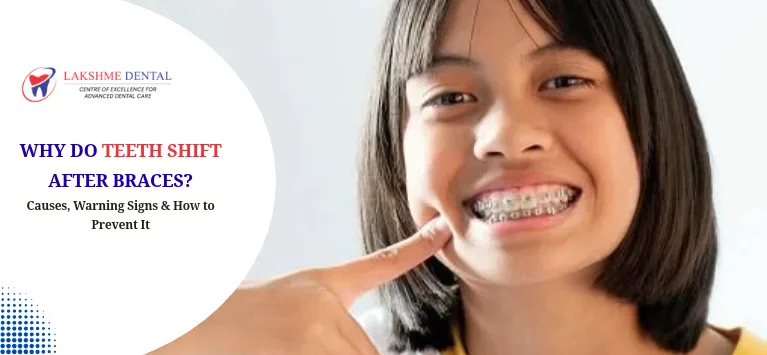
Why Do Teeth Shift After Braces?

You finally got your braces removed, and your teeth look exactly the way you wanted. But a few months later, you notice one tooth looking slightly crooked or a small gap starting to appear. It can be frustrating after spending so much time getting your smile straight.
Teeth can shift after braces even when orthodontic treatment has been completed successfully. The surrounding bone, gums and supporting fibres need time to adjust to the new positions, and your teeth continue to respond to natural forces throughout life.
So, why do teeth shift after braces, and is there anything you can do to stop it? Here are the most common reasons and what you should know if you notice your teeth moving again.
5 Common Reasons Your Teeth Shift After Braces
Post-braces movement usually comes down to a mix of natural biology and everyday habits:
1. Skipping Your Retainer
Think of your retainer as a seatbelt for your teeth. Once your braces come off, the surrounding bone and gums need time to stabilize. If you stop wearing your removable retainer—or if a bonded wire behind your teeth quietly loses its glue—your teeth are free to drift.
2. Fibres That Pull Teeth Back
Each tooth is held in place by tiny fibres that connect it to the surrounding bone. During braces treatment, these fibres stretch as teeth move. After braces are removed, they may contribute to teeth shifting back towards their old positions, which is why the first few months of retainer use are especially important.
3. Natural Aging and Jaw Changes
Just like the rest of your body, your jawbone remodels and subtly changes shape as you get older. Over time, teeth naturally tend to drift forward toward the center of the mouth—a process dentists call mesial drift—which often causes crowding in the lower front teeth.
4. Everyday Oral Pressure
Every time you chew, swallow, speak, or rest your tongue against your teeth, you apply gentle force. Add in nighttime teeth grinding (bruxism), clenching from stress, or even sleeping with your hand pressed against your jaw, and that steady pressure can nudge teeth out of line over time.
5. Gum Health or Missing Teeth
Healthy gums act as an anchor for your smile. If gum disease weakens that foundation, or if a missing tooth leaves an empty space, neighboring teeth will naturally lean and shift into the gap
Early Warning Signs to Watch Out For
Orthodontic relapse is usually gradual and painless, which makes it easy to miss until the changes become obvious. Catching it early saves you time and money. Pay attention if you notice:
- Your retainer suddenly feels unusually tight or leaves small gaps when you put it in.
- Slight overlapping or crowding, especially on your bottom front teeth.
- Tiny spaces reopening where teeth used to touch.
- Your bite feels “off” or uneven when chewing.
What to Do If Your Teeth Have Already Moved
If you haven’t worn your retainer in months and suddenly try it on, never force it onto your teeth. A tight retainer didn’t “shrink” in your drawer—your teeth moved. Forcing a misshapen appliance can damage your tooth roots and gums.
Instead, schedule a quick evaluation with a dentist or orthodontist. Because you caught the shift early, you likely won’t need full metal braces all over again. Depending on how much movement has occurred, simple fixes include:
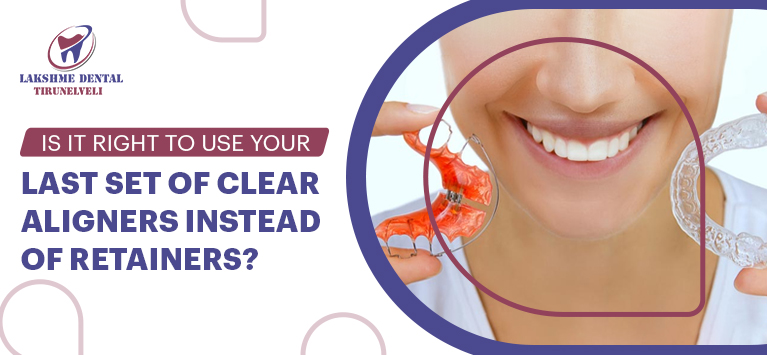
- A New Retainer: If the shift is minor and you are still happy with how your smile looks, a fresh custom retainer will hold your teeth right where they are so they don’t move further.
- Short-Term Clear Aligners: Minor crowding or gaps can often be gently guided back into alignment in just a few months using discreet clear trays.
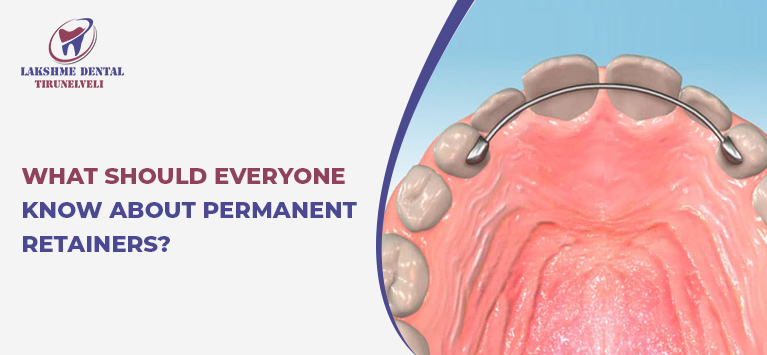
- Bonded Retainers or Night Guards: A thin permanent wire glued behind your front teeth offers 24/7 protection, while a custom night guard shields your alignment if you grind your teeth in your sleep.
Final Thoughts
Teeth naturally shift over time due to aging, everyday chewing, and the elastic memory of your gums—meaning getting your braces off is really the start of maintenance, not the finish line. Fortunately, preventing major relapse comes down to simple habits: wear your retainer consistently, never force one that feels too tight, and get any subtle changes checked early. A few seconds of care each night is all it takes to keep your smile straight for life.
Frequently Asked Questions
Yes, slight tooth movement can happen after braces as the surrounding bone and tissues adjust. Wearing your retainer consistently helps keep your teeth in their corrected positions.
Yes. Teeth can move years after braces due to aging, natural jaw changes, gum problems or inconsistent retainer use.
Retainers are generally recommended long-term, often at night, to prevent teeth from gradually moving back. Follow your orthodontist's instructions for your specific retainer.
In some cases, yes. Minor shifting may be corrected with clear aligners or other orthodontic appliances, depending on the extent of movement.
Do not force it onto your teeth. A poor-fitting retainer may cause discomfort or damage. Visit your dentist or orthodontist to check whether your teeth have shifted and whether a new retainer is needed.