5 Tips to Relieve Pain From a Root Canal

Key Facts
- Post-root canal pain usually lasts 3–5 days and is caused by tissue inflammation, not infection.
- Cold compresses and anti-inflammatory medications are the most effective short-term relief methods.
- Chewing on the untreated side prevents pressure on healing tissues.
- Warm saltwater rinses twice daily help keep the area clean and reduce swelling.
- Persistent or worsening pain beyond a week may require a dentist’s review.
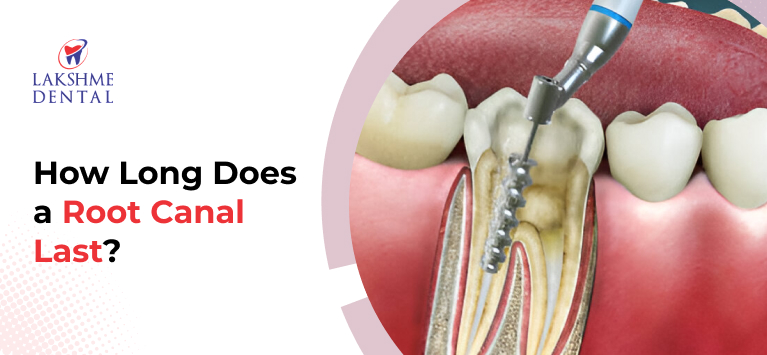
A root canal is one of the most effective dental procedures for saving a severely decayed or infected tooth. It removes the damaged pulp, disinfects the root canals, and seals the tooth to prevent future infection.
But while the procedure itself eliminates the source of pain, mild to moderate discomfort afterward is completely normal. In fact, post-treatment soreness is part of the healing process as the surrounding tissues adjust and inflammation subsides.
If you’ve recently had a root canal and are wondering why your tooth still hurts or throbs, don’t panic, it’s temporary and manageable.
Here are five dentist-approved tips to relieve pain after a root canal and ensure a smooth recovery.
Understanding Post-Root Canal Pain
Let us first see why discomfort occurs after a root canal. Even though the nerve inside the tooth is removed, the surrounding ligaments, bone, and gum tissue may remain inflamed from the infection or the treatment process. This inflammation can cause mild swelling, tenderness, or a throbbing sensation that usually peaks within the first 48 hours.
Other possible reasons include:
- Tissue irritation: Caused by cleaning instruments or sealing materials during treatment.
- Bite misalignment: The treated tooth might feel slightly “high” if the bite isn’t perfectly adjusted.
- Inflammatory response: Your body’s natural healing mechanism reacting to treatment.
The pain should gradually subside within a few days, but if it worsens or persists beyond a week, it’s best to revisit your dentist.
1. Take Medication as Prescribed
This is your first line of defense against discomfort. Your dentist may recommend over-the-counter pain relievers like ibuprofen or acetaminophen (Paracetamol). In some cases, they may prescribe stronger anti-inflammatory or antibiotic medications if there was an active infection.
Dos and don’ts:
- Take painkillers before the numbness wears off for better pain control.
- Stick to the dosage schedule; skipping doses can let the pain rebound.
- Avoid aspirin immediately after treatment as it can increase bleeding.
- If you’ve been prescribed antibiotics, complete the entire course even if symptoms improve early.
Consistent pain management reduces swelling and helps the treated tooth settle faster.
2. Apply a Cold Compress
Cold therapy is a simple but highly effective way to ease pain and minimize swelling after a root canal. Applying an ice pack on the affected side of your face for 10–15 minutes at a time can numb nerve endings and reduce inflammation.
Here’s how to do it right:
- Wrap ice cubes or a cold pack in a clean towel. Never apply ice directly to your skin.
- Repeat every few hours for the first 24 hours after your procedure.
- If swelling is present, alternate cold compresses and rest periods.
The cold helps constrict blood vessels and slows down inflammatory responses, providing instant relief from throbbing discomfort.
3. Choose Soft, Cool Foods
After a root canal, your tooth may feel tender for a few days. Avoid putting pressure on it by sticking to soft, non-chewy foods such as:
- Mashed potatoes, soups, and porridge
- Smoothies or yogurt
- Soft rice, eggs, or pasta
Also, avoid hot, spicy, or crunchy foods that can irritate the treated area or dislodge the temporary filling. As the pain subsides, you can gradually reintroduce your regular diet but always chew on the opposite side until your dentist gives the all-clear.
4. Maintain Gentle Oral Hygiene
Many people assume they should avoid brushing the treated tooth for a few days. That’s a myth. Proper oral hygiene is crucial to prevent bacterial buildup and secondary infection.
Here’s what to keep in mind:
- Use a soft-bristled toothbrush and brush slowly around the treated area.
- Rinse your mouth with lukewarm salt water (½ teaspoon of salt in a glass of warm water) twice daily as it helps soothe tissues and acts as a mild disinfectant.
- Avoid alcohol-based mouthwashes, which can irritate healing tissue.
Cleanliness directly influences healing speed. Neglecting hygiene can prolong inflammation or cause re-infection of the treated canal.
5. Rest and Keep Your Head Elevated
Rest is an underrated part of recovery. Physical exertion increases blood flow and can worsen inflammation, leading to a throbbing ache in the treated area. Try to get plenty of rest and sleep with your head elevated on a pillow to minimize pressure in the mouth and face.
Additionally:
- Avoid strenuous exercise for at least 24–48 hours.
- Stay hydrated and avoid alcohol or smoking, which delay healing.
- Listen to your body. Pain is a sign to slow down.
When Should You See a Dentist?
Post-root canal pain typically improves within 3–5 days. However, if you experience any of the following, contact your dentist immediately:
- Pain worsening after several days
- Swelling in the face or gums
- Pus or foul taste from the treated tooth
- Difficulty biting or chewing
- Fever or fatigue
These may indicate infection, allergic reaction, or an issue with the filling or crown placement.
Additional Tips to Support Healing
Here are some bonus tips to make recovery more comfortable:
- Avoid touching the treated tooth with your tongue or fingers.
- Skip smoking for a week if you smoke. Nicotine delays gum healing.
- Use warm salt rinses after meals to keep the area clean.
- Don’t skip follow-up visits. Your dentist needs to check if the healing is complete and whether a crown is required.
Conclusion
Throbbing pain after a root canal can be worrying, but it’s rarely a sign of something serious. Most discomfort is due to normal tissue inflammation that resolves with time and care.
By taking your medication as prescribed, using cold compresses, eating soft foods, maintaining oral hygiene, and resting adequately, you can significantly reduce pain and speed up healing.
If pain persists beyond a few days or interferes with daily activities, don’t hesitate to consult your dentist. Early evaluation prevents complications and ensures your treated tooth stays strong and pain-free for years to come.
Frequently Asked Questions
Mild soreness or sensitivity can last for 3–5 days after treatment. Most patients notice significant improvement within a week. If pain worsens or persists beyond 7 days, consult your dentist for a review.
Yes, mild throbbing is normal as the surrounding tissue heals. This happens due to inflammation from the cleaning process or local trauma. Persistent or severe throbbing should, however, be examined by your dentist.
Stick to soft, cool foods for the first 24–48 hours and avoid chewing on the treated side. Once tenderness subsides, you can resume your regular diet gradually.
If pain increases rather than decreases, it could indicate an infection or bite misalignment. Contact your dentist promptly to evaluate the treated tooth and make necessary adjustments.
Most dentists schedule a follow-up visit 7–10 days post-procedure to ensure proper healing. A second appointment may be needed to place a crown for long-term protection.