5 Ways to Replace Your Missing Teeth

Key Facts
- Dental implants are the longest-lasting option and preserve jawbone health.
- Bridges provide a fast, non-surgical solution but require reshaping adjacent teeth.
- Partial/complete dentures are affordable and removable, but less stable than implants.
- Implant-supported dentures combine stability with lower implant count for full-arch cases.
- Replace missing teeth within months if possible. Early replacement prevents bone loss.
- Good maintenance (brushing, flossing, 6-monthly checkups) extends the life of restorations.
Tooth loss is more common than many realize. Whether due to gum disease, injury, tooth decay, or aging, missing teeth can impact more than just your smile. It affects how you chew food, how you speak, and even your self-confidence.
The good news? Modern dentistry and advanced treatments offers reliable solutions to replace missing teeth, restore your oral function, and bring back a natural-looking smile.
If you’re searching for the best way to replace missing teeth, this guide explains the five most effective options, their pros and cons, and how to choose the right one for you.
Why should you replace your missing teeth?
Many people delay treatment, thinking one missing tooth won’t make much difference. But here’s the reality:
- Bone loss begins quickly after tooth loss, weakening the jaw over time.
- Neighboring teeth may shift or tilt, causing bite problems.
- Missing teeth can make chewing uncomfortable, limiting food choices.
- Speech can be affected, especially with front tooth loss.
- Confidence often suffers, leading to hesitation in smiling or speaking.
Replacing missing teeth is not just cosmetic, it’s about maintaining long-term oral health.
1. Dental Implants
Dental implants are widely regarded as the standard option for replacing missing teeth. An implant is a titanium screw placed into the jawbone that acts as an artificial tooth root. Once healed, a crown is attached, creating a natural-looking, permanent tooth replacement.
Benefits of Dental Implants
- Look and function like natural teeth
- Preserve jawbone and prevent bone loss
- Long-lasting (often 15+ years with proper care)
- Easy to maintain with normal brushing and flossing
Considerations
- Requires a surgical procedure
- Healing takes 3–6 months before crown placement
- Higher upfront cost compared to other options
- Requires adequate bone density (bone grafting may be needed in some cases)
2. Dental Bridges
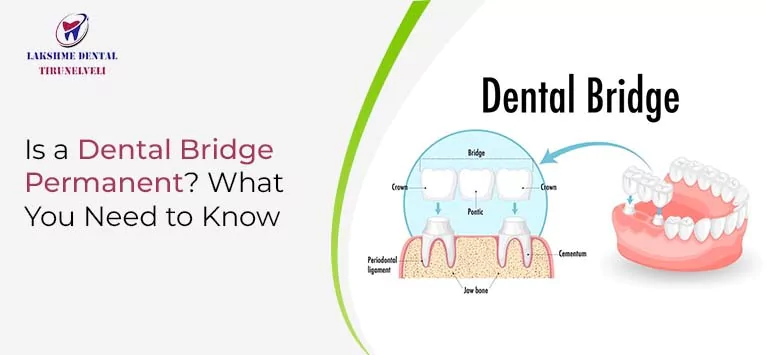
A dental bridge is a prosthetic tooth anchored to the natural teeth on either side of the gap. Bridges are an excellent option when only one or two teeth are missing.
Types of Dental Bridges
Traditional Dental Bridge – crown-supported on both sides
Cantilever Dental Bridge – supported on one side only
Maryland Dental Bridge – supported with a metal or porcelain framework
Benefits of Dental Bridges
- Faster treatment compared to implants
- More affordable upfront cost
- Natural-looking appearance
Considerations
- Requires shaping of adjacent healthy teeth
- Does not prevent jawbone loss beneath the missing tooth
- May need replacement after 8–12 years
A great option for patients who prefer a quicker solution without surgery.
3. Partial Dentures
Removable partial dentures & single tooth dentures are custom-made to replace multiple missing teeth. They fit securely with clasps that attach to remaining natural teeth.
Benefits of Partial Dentures
- Affordable compared to implants or bridges
- Can replace several missing teeth at once
- Easy to repair or adjust
Considerations
- Less stable than fixed options
- May feel bulky at first
- Requires regular removal and cleaning
- May need periodic adjustment as mouth changes
Partial dentures are a budget-friendly choice for patients with multiple missing teeth.
4. Complete Dentures
When all teeth are missing, complete dentures provide a full arch replacement. They rest on the gums and can be removed for cleaning.
Types of Complete Dentures
- Conventional Dentures – made after teeth are removed and gums heal
- Immediate Dentures – placed right after extractions for instant results
Benefits of Complete Dentures
- Restores ability to eat and speak
- Improves facial appearance and smile
- More affordable than multiple implants
Considerations
- Takes time to adjust
- May require adhesives for stability
- Jawbone continues shrinking over time, leading to refits or relines
Still a reliable solution for full-mouth tooth loss, especially when cost is a concern.
5. Implant-Supported Dentures
For patients seeking a balance between stability and affordability, implant-supported dentures are an excellent option. They combine the strength of implants with the coverage of dentures.
Benefits of Implant-Supported Dentures
- More stable than traditional dentures (no slipping)
- Stimulates jawbone, preventing bone loss
- Can replace a full arch with fewer implants (usually 4–6)
- Greater comfort and confidence while speaking or eating
Considerations
- Requires surgical placement of implants
- Higher cost than regular dentures
- Treatment time is longer due to healing
Comparison Table: Tooth Replacement Options
| Option | Cost | Durability | Bone Preservation | Best For |
| Dental Implants | High | 15+ years | Yes | Long-term fixed solution |
| Bridges | Medium | 8–12 years | No | 1–2 missing teeth |
| Partial Dentures | Low | 5–7 years | No | Multiple missing teeth |
| Complete Dentures | Low | 5–8 years | No | Full mouth replacement |
| Implant-Supported Dentures | Medium-High | 10–15 years | Yes | Full arch replacement |
Which suits you better?
The best replacement method depends on:
- Number of missing teeth
- Jawbone health and gum condition
- Budget
- Personal preference for fixed vs. removable
- Overall oral and general health
- Single missing tooth → Implant or bridge
- Several missing teeth → Implants with bridge or partial denture
- All teeth missing → Implant-supported dentures or full dentures
Cost of Replacing Missing Teeth in Tirunelveli
- Dental Implant: ₹25,000–₹45,000 per tooth (varies by brand & complexity)
- Dental Bridge: ₹12,000–₹25,000 depending on materials
- Dentures: ₹10,000 upwards (partial or full)
Exact cost depends on your oral condition and treatment plan.
Taking Care of Tooth Replacements
No matter which option you choose, maintenance is key to long-lasting results:
- Brush twice daily with a soft-bristle toothbrush
- Floss daily (implant floss or bridge threaders may be recommended)
- Rinse with an antibacterial mouthwash
- Avoid smoking, which slows healing and damages oral health
- Visit your dentist every 6 months for a check-up and professional cleaning
Conclusion
Replacing missing teeth is more than just restoring your smile, it’s about protecting your oral health, improving function, and regaining confidence.
With solutions ranging from dentures to advanced dental implants, there’s an option for every need and budget.If you are in Tirunelveli and looking for expert advice on tooth replacement, visit Lakshme Dental. Our specialists provide personalized treatment plans to restore your smile with comfort and confidence.
Frequently Asked Questions
The surgery is done under local anesthesia, so most patients experience minimal discomfort. Experiencing mild soreness for a few days is normal.
Yes, as long as the gums and bones are healthy. Many seniors benefit from implants.
With good oral hygiene, dental bridges last 8–12 years.
Modern dentures are designed to match gum and tooth color, making them very natural-looking.
Bone grafting or sinus lift procedures may be performed to allow successful implant placement.
Removable dentures are usually the most affordable option to replace missing teeth.
Ideally within a few months, as bone loss begins quickly.