Common Bite Problems That Can Be Corrected with Teeth Braces

Bite problems (malocclusions) occur when the upper and lower teeth do not come together correctly.
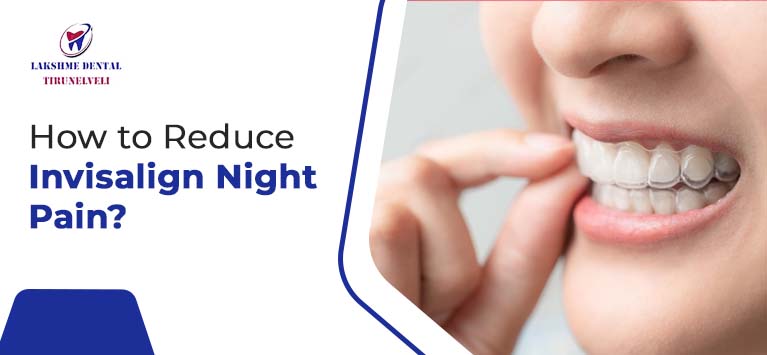
Many of these issues including overbite, underbite, crossbite, open bite, crowding, and spacing can be effectively corrected with orthodontic treatments such as braces and clear aligners.
In severe cases, jaw surgery or tooth extractions may be required for stable results.
What is a bite problem?
Every person has a unique way their upper and lower teeth meet. When this natural alignment is disrupted, it leads to malocclusion, commonly known as a bad bite.
A misaligned bite can cause:
- Difficulty chewing
- Uneven tooth wear
- Jaw discomfort
- Speech issues
- Long-term gum and bone problems
Orthodontic appliances like braces, clear aligners, and in some cases orthognathic surgery, can correct these conditions.

Common Bite Problems Braces Can Correct
1. Open Bite
An open bite happens when the upper and lower teeth fail to make contact even when the mouth is fully closed.
Types of Open Bite:
- Anterior Open Bite – Front teeth do not overlap when the jaws are closed.
- Posterior Open Bite – Back teeth do not touch when the front teeth meet.
Causes:
- Thumb-sucking
- Prolonged pacifier use
- Tongue thrusting
- Jaw growth discrepancies
Braces and clear aligners can correct most open bites. In complex skeletal cases, additional treatment may be required.
2. Overbite (Deep Bite)
In an overbite, the upper front teeth significantly overlap the lower front teeth.
A deep bite occurs when the overlap is excessive, causing:
- Wear on the lower front teeth
- Gum irritation
- A “gummy smile”
- Higher risk of tooth trauma
Most braces systems including invisible aligners can successfully treat overbites and deep bites.
3. Crossbite
A crossbite occurs when the upper teeth sit on the inside of the lower teeth during biting or chewing. This can occur in the front teeth, back teeth, or both.
Why It Matters:
- Can wear down teeth
- May cause gum recession
- Leads to asymmetrical jaw growth in children
Early treatment is critical. Orthodontists recommend evaluation by age seven, as correcting a crossbite early prevents long-term issues.
4. Underbite
In an underbite, the lower jaw extends beyond the upper jaw, creating a forward bite.
Impact of Underbite:
- Jaw strain and TMJ problems
- Headaches
- Difficulty chewing
- Noticeable facial imbalance
Treatment often requires more time than mild malocclusions. Severe underbites may need orthognathic (jaw) surgery in combination with braces.
5. Crowding
Crowding occurs when there is insufficient space for teeth to erupt properly.
Why It’s a Problem:
- Hard-to-clean teeth
- Increased risk of cavities
- Gum disease
- Irregular tooth wear
Braces are one of the most reliable solutions for crowding, sometimes combined with extraction for optimal alignment.
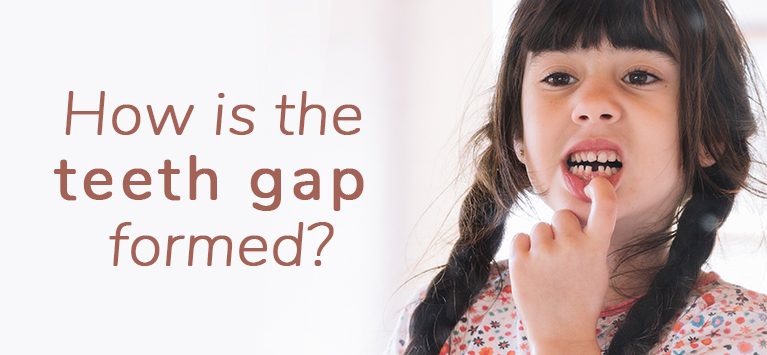
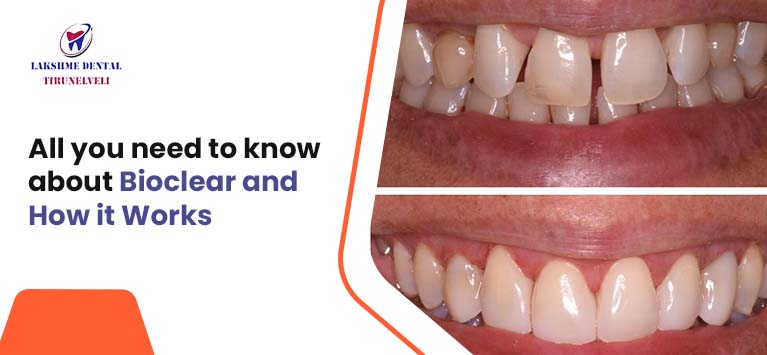
6. Spacing (Gaps Between Teeth)
Spacing is the opposite of crowding. Gaps form between teeth due to:
- Missing teeth
- Small tooth size
- Jaw size mismatch
- Habits like tongue thrusting
Left untreated, spacing can trap food and increase the risk of cavities and gum issues. Self-ligating braces often deliver faster results for spacing corrections.
Bottom Line
Orthodontic treatment can correct a wide range of bite problems from simple spacing issues to complex skeletal misalignments. Braces and aligners not only improve appearance but also protect long-term oral health by ensuring proper bite function.
For the best outcome, consult an orthodontist early. Early intervention often means easier, faster, and more predictable results. that can be corrected with the help of braces. Try to get treatment as early as possible for faster results.