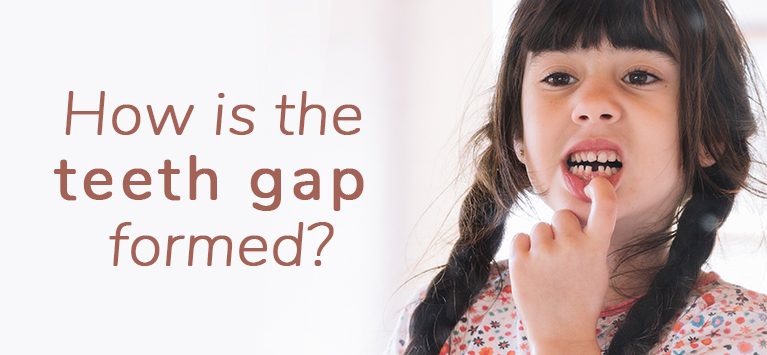
How Is the Teeth Gap Formed?

A gap between teeth is a common dental condition seen in both children and adults. While some people accept it as a natural feature, others seek treatment for aesthetic or functional reasons. A tooth gap, medically known as diastema, can develop due to several underlying factors.
Understanding how and why tooth gaps form can help in early prevention and timely treatment.
What Is a Tooth Gap (Diastema)?
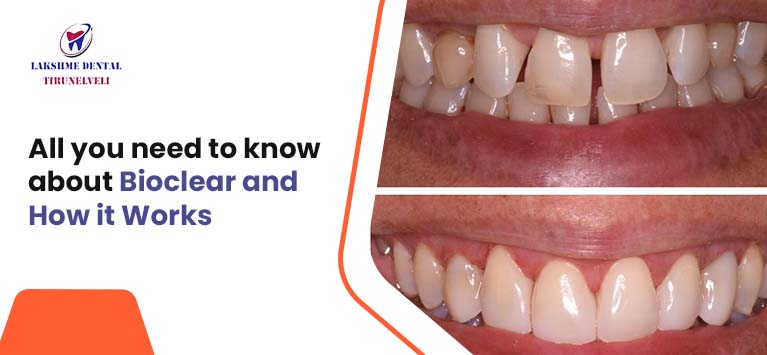
A tooth gap, or diastema, refers to a space between two teeth, most commonly seen between the upper front teeth. These gaps may appear during childhood or develop later in life due to habits, jaw changes, or oral health conditions.
Common Causes of Teeth Gaps
Genetics
Genetics plays a major role in tooth spacing. When there is a mismatch between jaw size and tooth size, gaps can form naturally. In some families, diastema is hereditary and appears across generations.
Thumb sucking
Thumb sucking is a natural habit in infants and young children. However, if it continues beyond early childhood, it can push the upper front teeth forward, creating gaps.
Early intervention by a pediatric dentist helps children break this habit and maintain healthy oral development.
Tongue Thrusting
Tongue thrusting occurs when the tongue pushes against the front teeth during swallowing or speaking. This constant pressure can move teeth forward, leading to open bite and spacing between teeth, similar to the effects of thumb sucking.
Continuous Growth of the Lower Jaw
The lower jaw continues to grow slowly throughout adulthood. As it grows forward, it can push against the upper front teeth, causing them to shift. This may result in buck teeth, spacing, or crowding, depending on individual jaw alignment.
Shrinking Jaw Width With Age
As people age, changes in jaw structure can occur. A gradual reduction in jaw width may cause teeth to move, leading to crowding in some areas and gaps in others, especially in the front teeth.
Teeth Grinding (Bruxism)
Bruxism is common in children and often temporary. In adults, however, chronic teeth grinding can cause:
- Tooth wear
- Changes in bite alignment
- Damage to surrounding tissues
Stress, caffeine, alcohol, smoking, and certain medications increase the risk. Over time, bruxism can contribute to tooth movement and spacing.
Tooth Loss or Extraction
When a tooth is removed and not replaced, neighboring teeth tend to drift into the empty space. This movement can enlarge existing gaps or create new ones. Orthodontic treatment or tooth replacement options help prevent further shifting.
Aging
With age, changes in facial muscles and lip pressure can alter tooth positioning. Increased pressure on teeth may cause movement, making lower front teeth more prominent and contributing to spacing or crowding.
Periodontal (Gum) Disease
Gum disease affects the tissues and bone supporting the teeth. Bone loss weakens tooth support, causing teeth to shift or spread apart, leading to noticeable gaps. Treating gum disease early is critical to preventing permanent damage.
Treatment
Orthodontic treatment is the most effective way to close gaps between teeth. Depending on the cause and severity, options may include:
- Braces
- Clear aligners
- Habit correction appliances (for children)
- Treating underlying gum disease
Encouraging good oral habits from an early age significantly reduces the risk of spacing issues later in life.
Conclusion
Tooth gaps can form due to genetics, habits, jaw changes, aging, or oral health conditions. While some gaps are harmless, others may affect bite alignment, speech, or long-term dental health.
Early diagnosis and appropriate orthodontic care can effectively correct spacing issues and prevent future complications. If you notice gaps developing or widening, consulting a dental professional is the best step forward.