Wisdom Teeth Coming In? 7 Signs to Watch for and When to See a Dentist

Wisdom teeth coming in can be an uncomfortable experience, especially when you notice soreness at the back of your mouth but cannot figure out what is causing it. A dull jaw ache, swollen gums, or difficulty opening your mouth may seem like minor problems at first. However, these changes can sometimes indicate that your third molars are beginning to erupt or are struggling to find enough space.
Not everyone experiences the same symptoms. Some people barely notice their wisdom teeth growing, while others develop pain, gum irritation, or swelling. Knowing what to look for can help you distinguish normal eruption from signs that need dental attention. Understanding these changes early can also help you avoid complications and protect the teeth surrounding your wisdom molars.
What Are Wisdom Teeth and When Do They Come In?
Wisdom teeth are the third molars located at the very back of your mouth. They are the last permanent teeth to develop and usually begin emerging between the ages of 17 and 25, although the timing can vary.
Most people have up to four wisdom teeth, one in each corner of the mouth. However, some people develop fewer, and others may never develop wisdom teeth at all.
Because these teeth erupt later than the other permanent teeth, they may not have enough room to grow properly. This lack of space can cause them to emerge partially, grow at an angle, or remain trapped beneath the gums.
7 Signs Your Wisdom Teeth Are Coming In
Wisdom teeth may develop gradually, so the early symptoms can be easy to overlook. Here are some common signs to watch for.
1. Pain at the Back of Your Jaw
A dull ache or occasional throbbing near the back molars is often one of the first changes people notice. The discomfort may come and go as the tooth moves through the gum tissue.
If the pain becomes persistent or starts getting worse, it could indicate that the tooth is not erupting comfortably.
2. Swollen or Tender Gums
The gums behind your last molars may become sore, red, or slightly swollen. You might notice discomfort while brushing, eating, or touching the area.
Sometimes, a small section of gum covers the emerging tooth. This flap can make the area harder to clean and may allow food particles to accumulate.
3. Pressure or Tightness in the Jaw
Wisdom teeth can create a feeling of pressure at the back of your mouth, particularly when there is limited space for them to grow.
You may feel as though your teeth are pushing against one another or that your jaw is unusually tight. This sensation may be more noticeable when chewing.
4. Difficulty Opening Your Mouth
Jaw stiffness can make it uncomfortable to open your mouth fully. You may notice this when yawning, eating, or brushing your back teeth.
Inflammation around a partially erupted wisdom tooth can contribute to this discomfort. If your mouth-opening ability becomes noticeably restricted, get it checked rather than waiting for it to settle.
5. Bad Breath or an Unpleasant Taste
A wisdom tooth that has only partially emerged may leave a small area beneath the gum where food and bacteria collect.
Even with regular brushing, cleaning this pocket can be difficult. This may cause bad breath or an unpleasant taste that keeps returning.
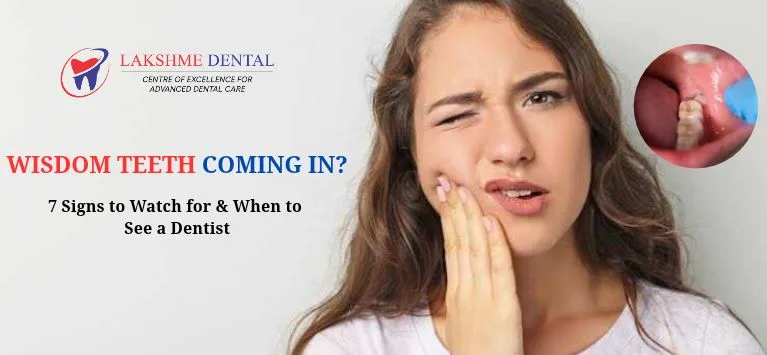
6. A Small White Portion of Tooth Visible Through the Gum
As the tooth begins to break through, you may notice a tiny white surface behind your last molar. This could be the emerging wisdom tooth becoming visible.
The surrounding gum may still look red or feel tender. Avoid poking the area to check how much of the tooth has appeared.
7. Pain That Spreads Towards the Ear or Head
Wisdom tooth discomfort is not always limited to one spot. Pain or pressure may extend towards the ear, temple, or other areas around the jaw.
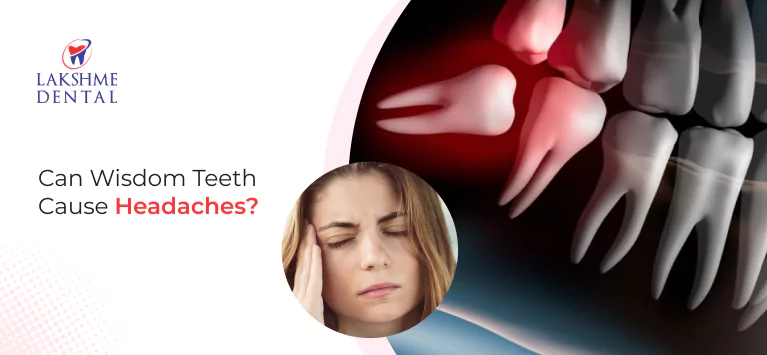
Headaches or recurring discomfort along with gum swelling and jaw pain should not automatically be attributed to wisdom teeth. A dental examination can help identify the actual cause.
Why Do Wisdom Teeth Sometimes Become Painful?
Wisdom teeth do not always erupt in the correct position. When the jaw does not provide enough space, they may remain trapped under the gums or emerge at an angle.
Common reasons for wisdom tooth discomfort include:
- Impaction: The tooth cannot emerge fully and may press against neighbouring teeth.
- Partial eruption: Part of the tooth appears, leaving the surrounding gum vulnerable to irritation and bacterial buildup.
- Gum inflammation: The tissue around the erupting tooth becomes swollen and painful.
- Food accumulation: Partially erupted teeth create areas that are difficult to clean.
These problems may increase the risk of tooth decay, gum infection, damage to adjacent teeth, or other complications.
When Should You See a Dentist?
Mild discomfort does not always mean your wisdom teeth need to be removed. However, certain symptoms should not be ignored:
- Pain that persists or becomes more intense
- Swelling around the gums, cheek, or jaw
- Difficulty chewing or opening your mouth
- Pus, persistent bad breath, or an unpleasant taste
- Fever or pain when swallowing
A dentist can examine the area and take dental X-rays to check the position of your wisdom teeth, how much space they have, and whether they are impacted.
If you develop facial swelling, fever, difficulty swallowing, severely restricted mouth opening, or breathing difficulty, seek urgent medical or dental care.
Do All Wisdom Teeth Need to Be Removed?
No. Wisdom teeth that erupt fully, remain properly positioned, and can be kept clean may not require extraction.
Removal may be recommended when the teeth are impacted, misaligned, repeatedly infected, causing pain, or damaging nearby teeth. The decision depends on your symptoms, tooth position, and examination findings.
Regular dental check-ups help your dentist monitor wisdom teeth and decide whether treatment is necessary before problems progress.
How to Relieve Wisdom Tooth Discomfort at Home
If your wisdom teeth are beginning to emerge, a few simple measures may help ease temporary discomfort:
- Rinse gently with warm salt water.
- Use a soft-bristled toothbrush to clean the back of your mouth carefully.
- Avoid hard or chewy foods that aggravate the sore area.
- Apply a cold compress to the outside of your cheek for around 20 minutes.
- Use suitable over-the-counter pain relief according to its instructions, if safe for you.
These measures may help manage symptoms, but they cannot correct an impacted tooth or treat an underlying infection. If the discomfort keeps returning, arrange a dental visit.
Final Thoughts
Wisdom teeth coming in can cause anything from mild gum irritation to significant jaw discomfort, depending on how the teeth develop. While some erupt without problems, others may become trapped, grow at an angle, or create areas where bacteria accumulate.
Pay attention to changes around your back molars instead of ignoring recurring symptoms. A timely dental examination can help determine whether your wisdom teeth are erupting normally or need treatment. The earlier you understand what is happening, the easier it is to make informed decisions about your oral health.
Frequently Asked Questions
Jaw soreness, tender or swollen gums behind your last molars, pressure, jaw stiffness, bad breath, and a visible white tooth edge may indicate eruption.
Wisdom teeth commonly begin erupting between 17 and 25 years of age, but they may appear earlier, later, or never develop.
Yes. Some wisdom teeth erupt without noticeable discomfort. However, the absence of pain does not always mean they are correctly positioned, so dental monitoring is important.
Partially erupted wisdom teeth can create spaces beneath the gums where food debris and bacteria collect, resulting in bad breath or an unpleasant taste.
Not necessarily. If they are properly positioned, fully erupted, and healthy, removal may not be required. A dentist can assess their condition using an examination and X-rays.