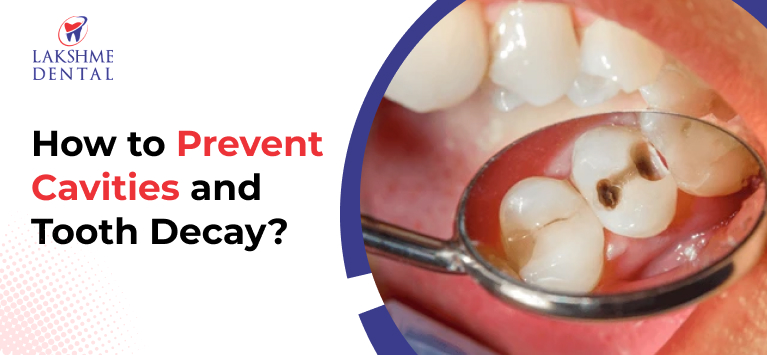
How to Prevent Cavities and Tooth Decay?

Key Facts
- Most cavities develop slowly and can be prevented with consistent brushing and diet habits.
- Early decay can be reversed with fluoride, but once a cavity forms, treatment is necessary.
- Sugar exposure and poor brushing technique are the top causes of tooth decay.
- Kids benefit greatly from dental sealants and fluoride treatments to avoid future cavities.
Most people think cavities happen suddenly, but tooth decay develops quietly over weeks and months.
As a practicing dentist, I see this almost every day — children, adults, even elderly patients walk in with pain that could have been prevented with simple habits.
Whether you’re searching for how to prevent cavities, how to avoid tooth decay, or how to stop cavities from getting worse, this guide will walk you through everything you need to know in plain, practical language.
Let’s make dental care easy and stress-free.
What causes cavities and tooth decay?
To understand how to prevent tooth decay, you first need to understand why it happens.
Here are the main reasons:
Sugar exposure
Sugar itself doesn’t cause cavities. The bacteria in your mouth feed on sugar and produce acids that damage enamel.
Poor brushing technique
Brushing too fast or missing areas like the back molars, gumline, or between teeth allows plaque to stay behind.
Weak enamel
Low fluoride, acidic foods, or aggressive brushing can slowly weaken enamel.
Dry mouth
Saliva protects your teeth. Low saliva (due to dehydration, mouth breathing, or certain medications) increases cavity risk.
Irregular dental visits
Skipping cleanings allows tartar to build up, which leads to cavities.
Frequent snacking
Every time you snack, acids form in the mouth for 20–30 minutes.
Understanding these basics helps you prevent cavities more effectively.
Early Signs of Cavities
Most cavities start small. If caught early, some can even be reversed.
Look out for:
- Tooth sensitivity
- White or brown spots on teeth
- Pain while biting
- Tiny holes or pits
- Persistent bad breath
- Occasional toothache
- A rough surface when you run your tongue over a tooth
If you’re wondering how to stop a cavity from hurting, the truth is: pain is usually a sign the decay has reached deeper layers. Relief is possible, but treatment becomes necessary.
How to Prevent Cavities and Tooth Decay? (Simple Daily Habits)
Here’s the part most people want: the practical, everyday steps that genuinely work. Everything below answers common searches like how to prevent cavities, how to avoid tooth decay, and how to prevent dental caries without overcomplicating it.
1. Brush twice a day with proper technique
Slow down while brushing. Two minutes is the sweet spot.
- Angle the brush at 45 degrees
- Clean along the gumline
- Gently brush the tongue
- Don’t scrub aggressively
If you prefer electric brushes, good news, they remove plaque more effectively when used correctly.
2. Use fluoride toothpaste
Fluoride strengthens enamel and stops early decay from progressing.
3. Rinse after meals
A simple water rinse removes acids and loose food particles.
4. Reduce sugary and sticky foods
Chocolates, gummies, biscuits, and juices stick to teeth longer than you imagine.
5. Drink plenty of water
Great for saliva production and washing away acids.
6. Use dental floss daily
Brushing alone cleans only 60% of your teeth.
7. Consider professional fluoride & sealants
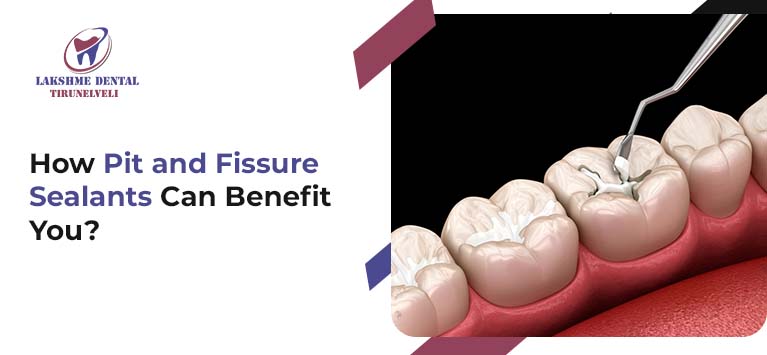
For kids especially, sealants can reduce cavity risk dramatically.
I often recommend them during school ages because molars are more prone to decay.
8. Regular dental checkups
Even one cleaning every six months can prevent most serious problems.
These habits are your best defense if you’re trying to figure out how to prevent cavities from getting worse or how to prevent tooth decay naturally.
How to stop tooth decay from getting worse?
If you’ve already noticed a spot or mild pain, here’s what you can do to slow things down:
- Switch to a fluoride-rich toothpaste
- Cut down sugar drastically
- Avoid snacking between meals
- Drink more water
- Use a soft-bristled brush
- Rinse with fluoride mouthwash
- Schedule a check-up as soon as possible
Early decay can be remineralized, but once you see a hole, professional treatment is the only fix.
Can you stop a cavity from growing?
Yes, but only in the earliest stages.
White spots, sensitivity, and mild discolorations are reversible with:
- Fluoride toothpaste
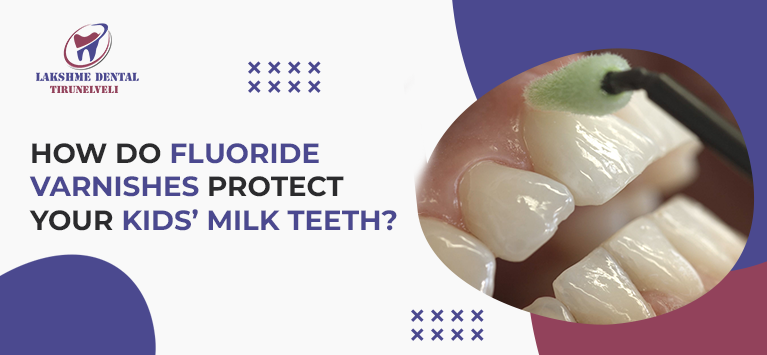
- Fluoride varnish at the clinic
- Better brushing habits
- Reducing sugar frequency
However, if the cavity has already formed:
- It cannot heal on its own
- You cannot “stop it naturally”
- You cannot “brush it away”
A filling becomes necessary to prevent spreading and pain.
Home Remedies: what helps and what doesn’t!
Good to try (temporary relief):
- Warm saltwater rinse
- Clove oil for mild pain
- Drinking more water
- Using toothpaste for sensitive teeth
Avoid at all costs:
- Lemon or vinegar (erosion)
- Baking soda scrubs (abrasion)
- Crushing painkillers against the gums (burns)
These cause more harm than good.
When to visit a dentist immediately?
Seek help quickly if you notice:
- Persistent sensitivity
- Visible hole in the tooth
- Pain while chewing
- Swelling or gum tenderness
- Pain that interrupts sleep
- Cavity pain not improving
Early treatment saves the tooth and keeps your costs low.
Dentists often focus on early detection and conservative treatments. The goal is always to protect natural teeth as much as possible.
Conclusion
Preventing cavities isn’t complicated. It’s about building a few consistent habits and paying attention to early signs. Whether you’re dealing with tooth sensitivity, mild pain, or simply want a healthier routine, taking action early always leads to better results.
If you’re around Tirunelveli and want help with preventive care, cleanings, or early cavity detection, we’re here to support you at Lakshme Dental.
Healthy smiles start with simple, daily steps and a little guidance when you need it.
Frequently Asked Questions
You can rinse with warm saltwater, use clove oil, or take over-the-counter pain relief. These are temporary solutions. Pain indicates deeper decay, so a dental visit is necessary to prevent the cavity from worsening.
Early decay can sometimes be reversed with fluoride toothpaste, good brushing habits, and reduced sugar intake. But once a cavity forms, it cannot heal naturally — only a dentist can fix it.
Brush twice daily, use fluoride toothpaste, avoid sugary snacks, floss every day, and stay hydrated. But if decay has already begun, you’ll need professional treatment to stop further damage.
Yes, when used correctly. Electric brushes remove plaque more effectively, especially for children or people with poor brushing technique, reducing the risk of cavities.
Cavities can take weeks to months to form depending on sugar exposure, oral hygiene, and enamel strength. In kids, decay can progress faster due to thinner enamel.
Sugary snacks, sticky foods like gummies, soft drinks, juice, chips, and biscuits stay on teeth longer and feed cavity-causing bacteria.
Every six months is ideal. Regular cleanings and fluoride applications greatly reduce cavity risk during early school years.