How to Get Rid of Bad Breath Permanently

Wondering how to get rid of bad breath permanently? Bad breath is more than just a temporary concern—it can impact your confidence, social interactions, and overall oral health. While occasional mouth odor is common, persistent bad breath (halitosis) is often a sign of underlying dental or health issues that shouldn’t be ignored. Understanding the root causes of bad breath is the first step toward effective treatment and long-term prevention. The good news is that with the right oral care routine and professional dental guidance, you can not only control bad breath but also eliminate it permanently and enjoy fresh breath every day.
What Causes Bad Breath?
Bad breath, also known as halitosis, usually originates from bacteria in the mouth. When food particles are not cleaned properly, they break down and release unpleasant-smelling compounds. However, the cause isn’t always limited to oral hygiene.
In many cases, dental problems such as gum disease, tooth decay, or plaque buildup are responsible. A coated tongue can also trap bacteria and contribute to foul odor. Apart from oral causes, conditions like sinus infections, dry mouth, digestive issues, or certain medications may also lead to persistent bad breath.
Lifestyle habits play a major role as well. Smoking, dehydration, and frequent consumption of strong-smelling foods can worsen the problem over time.
Why Does Bad Breath Keep Coming Back?
If you’ve tried mouthwashes, mints, or home remedies, you might have noticed something frustrating—the freshness doesn’t last. That’s because most quick fixes only cover up the smell temporarily.
Bad breath usually returns when the real cause—like bacteria buildup, gum disease, or dry mouth is left untreated. Until the root problem is addressed, the cycle continues. That’s why a long-term solution requires more than just surface-level care.
How to Get Rid of Bad Breath Permanently
Maintain Proper Oral Hygiene
The foundation of fresh breath starts with consistent oral care. Brushing your teeth twice a day helps remove plaque and bacteria, while flossing cleans areas that your toothbrush cannot reach. Over time, this reduces the buildup responsible for bad odor.
Clean Your Tongue Daily
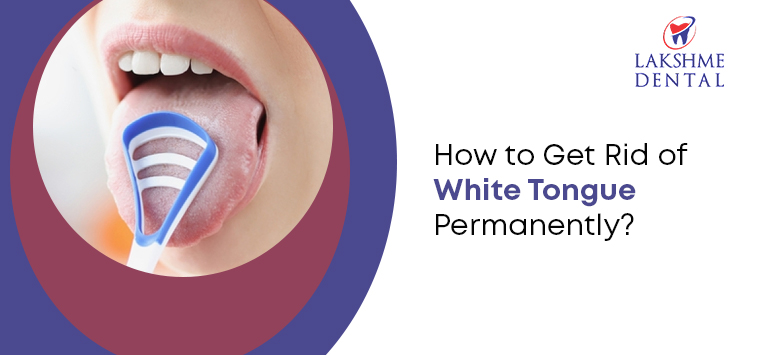
The tongue often holds bacteria that contribute to bad breath. Gently cleaning your tongue with a brush or tongue scraper can significantly improve breath freshness and reduce odor-causing buildup.
Stay Hydrated
A dry mouth creates the perfect environment for bacteria to grow. Drinking enough water throughout the day helps maintain saliva flow, which naturally cleanses the mouth and reduces bad breath.
Watch Your Diet
Certain foods like garlic, onions, and spicy dishes can leave a lingering odor. While they don’t need to be completely avoided, rinsing your mouth and maintaining good hygiene after meals can help minimize their effect. Including fresh fruits, vegetables, and herbs like mint or parsley can naturally freshen your breath.
Avoid Smoking and Tobacco
Tobacco products not only leave a strong smell but also increase the risk of gum disease and dry mouth. Quitting smoking can significantly improve both your breath and overall oral health.
Try Natural Breath Fresheners
Simple remedies like chewing fennel seeds, cloves, or mint leaves can help neutralize bad odors temporarily. While these are not permanent solutions, they can be helpful throughout the day.
Limit Alcohol and Caffeine
Both alcohol and caffeinated drinks can dry out your mouth, reducing saliva production. This can worsen bad breath over time, especially when combined with poor oral hygiene.
Visit Your Dentist Regularly
Professional dental check-ups are essential to identify and treat the root cause of bad breath. Conditions like gum disease, cavities, or infections require proper treatment to eliminate odor permanently.
Treat Underlying Health Conditions
If your dentist rules out oral causes, the issue may be linked to medical conditions such as sinus infections, acid reflux, or diabetes. Addressing these conditions is key to achieving long-term relief.
When Should You See a Dentist?
If bad breath continues despite maintaining good oral hygiene, it’s important to seek professional help. Persistent odor, bleeding gums, tooth pain, or a bad taste in the mouth may indicate deeper dental issues that need immediate attention.
How to Prevent Bad Breath
Preventing bad breath is easier when you follow a consistent routine. Brushing, flossing, and tongue cleaning should be done daily. Staying hydrated, eating a balanced diet, and avoiding tobacco can also make a noticeable difference. Regular dental visits ensure that any issues are detected early and treated effectively.
Summary
Bad breath is a common yet manageable problem. While temporary fixes may mask the odor, permanent relief comes from identifying and treating the root cause. With proper oral hygiene, healthy habits, and regular dental care, you can enjoy long-lasting fresh breath and improved confidence.
Frequently Asked Questions
Yes, bad breath can be permanently controlled once the root cause is identified. Whether it’s poor oral hygiene, gum disease, or a medical condition, proper treatment and consistent care can eliminate the problem long-term.
If your breath still smells after brushing, bacteria may be present on your tongue or between your teeth. It can also be a sign of underlying issues like gum disease, cavities, or dry mouth that require deeper care.
Yes, staying hydrated helps maintain saliva flow, which naturally cleans the mouth and reduces odor-causing bacteria. A dry mouth often makes bad breath worse.
The most common cause is the buildup of bacteria in the mouth due to poor oral hygiene. However, factors like gum disease, food habits, smoking, and certain health conditions can also contribute.
The timeline depends on the cause. Mild cases may improve within a few days with proper oral care, while conditions like gum disease or infections may require professional treatment for lasting results.