Dental Jewelry: Types, Safety, and Cost

Cosmetic dentistry today includes several treatments that improve smile appearance without permanently changing the teeth. One popular option is teeth jewelry, also known as dental jewellery. This cosmetic procedure involves attaching a small decorative gem or gold accessory to the surface of a tooth to enhance the smile aesthetically.
While often viewed as a cosmetic trend, teeth jewelry is still a dental procedure that should be performed carefully to protect enamel health and maintain proper oral hygiene.
What is tooth jewelry?
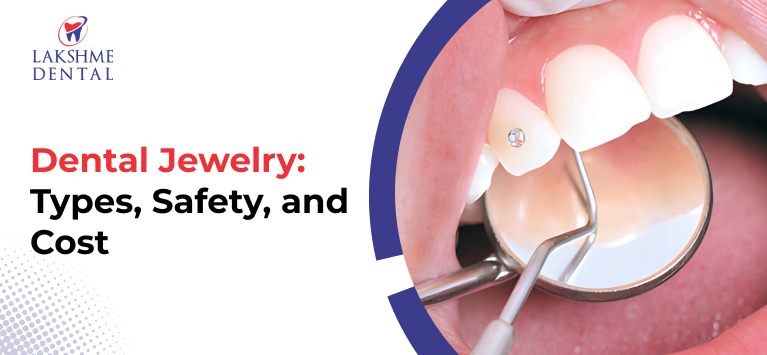
Teeth jewelry is a non-invasive cosmetic dental procedure in which a small decorative element is bonded to the enamel surface of a tooth using dental-grade adhesive. The procedure does not require drilling, anesthesia, or permanent modification of the tooth.
Teeth jewelry is considered a reversible cosmetic procedure when applied and removed properly by a dental professional.
Types of Dental Jewellery
Several materials are used in dental jewellery, each with different aesthetic and functional considerations.
Tooth Gems
Tooth gems are small crystals designed specifically for dental use. They are lightweight and commonly chosen for subtle cosmetic enhancement.
Gold Tooth Gems
Gold tooth gems are made from dental-grade gold alloys. These are heavier and more durable, and their placement requires precise bonding technique to avoid enamel stress.
Custom Dental Jewelry
Some designs are customized to fit the contour of a specific tooth. These require careful evaluation to ensure they do not interfere with bite or hygiene.
Only materials certified for intraoral use should be applied to teeth.
How Is Teeth Jewelry Applied?
The teeth jewelry placement process usually follows standard dental bonding procedures:
- The tooth surface is cleaned and dried
- A bonding agent is applied to the enamel
- The jewelry is carefully positioned
- A curing light is used to harden the adhesive
The procedure typically takes 15 to 30 minutes and can be completed in a single visit after prior planning.
Is teeth jewelry safe?
When applied by a dentist using dental-grade materials, teeth jewelry is considered safe. The enamel remains intact, and the bond is designed to be reversible.
Risks are more commonly associated with:
- Non-dental adhesives
- Improper placement
- Application by untrained individuals
Professional placement minimizes the risk of enamel damage, gum irritation, or plaque accumulation.
Oral Hygiene and Daily Care
Teeth jewelry does not usually interfere with chewing, speech, or brushing when placed correctly. However, patients are advised to:
- Maintain meticulous oral hygiene
- Avoid biting hard objects directly on the jewelry
- Monitor the area for plaque buildup
Good hygiene is essential to prevent localized enamel or gum issues.
How long does teeth jewelry last?
Longevity varies depending on:
- Type and weight of the jewelry
- Bonding technique
- Individual oral habits
On average, tooth gems last six months to two years. They may detach naturally over time or can be professionally removed if desired.
Tooth Gems Cost: What determines pricing?
Tooth gems cost depends on multiple clinical and material factors, including:
- Type of material used (crystal or gold)
- Size and design of the jewelry
- Placement technique
- Clinical setting and sterilization standards
Gold tooth gems generally cost more due to material value and placement complexity. A dental consultation helps determine appropriate options based on oral health and expectations.
Can teeth jewelry be removed?
Yes. One advantage of dental jewellery is that it can be safely removed by a dentist without damaging the enamel. The tooth surface can be polished afterward to restore its original appearance.
Who may not be suitable for teeth jewelry?
Teeth jewelry may not be advised for individuals with:
- Active tooth decay
- Gum disease
- Poor oral hygiene
- High risk of enamel wear
A dental evaluation is important before placement to ensure the teeth and gums are healthy enough for the procedure.
Professional placement vs DIY tooth gems
DIY tooth gems often use unsafe adhesives and improper application methods, increasing the risk of:
- Enamel damage
- Gum inflammation
- Bacterial accumulation
Professional placement is strongly recommended to ensure safety, hygiene, and proper bonding.
When to consider dental jewellery?
For individuals interested in temporary cosmetic enhancement without permanent dental alteration, teeth jewelry may be an option following appropriate evaluation. Suitability depends on enamel condition, oral hygiene, and bite factors.
Conclusion
Teeth jewelry is a reversible cosmetic dental procedure that can enhance smile appearance when performed correctly using safe dental materials. Proper placement, good oral hygiene, and professional care are essential to maintain enamel safety and long-term oral health.
Frequently Asked Questions
A cosmetic dental procedure where a small gem or gold accent is bonded to a tooth surface.
No. It is reversible when placed and removed correctly.
Yes, when dental-grade gold is used and placement is performed by a dentist.
Cost varies based on material, size, and clinical factors.
Not when applied and removed using proper dental techniques.