Dental Sedation for Kids: Is Conscious Sedation Safe for Children?

A dental appointment can be a big deal for a child. Some children are comfortable sitting in the dental chair, while others become nervous the moment they enter the clinic. For a child who is already anxious, even a simple procedure can feel overwhelming.
But what happens when your child needs dental treatment and fear makes it difficult for them to cooperate?
Dental sedation for kids may be considered in situations like these. It can help a child feel calmer during treatment and make it easier for the dentist to provide the care they need.
Still, it is completely normal for parents to have questions. What is conscious sedation? Will the child be awake? And most importantly, is conscious sedation safe for children?
What Does Conscious Sedation Mean for a Child?
Conscious sedation is used to reduce anxiety and help a child stay relaxed during dental treatment. It does not necessarily mean putting the child to sleep.
Depending on the medication and level of sedation, a child may feel relaxed or sleepy while still being able to respond to the dental team. The exact approach is decided after considering the child’s age, health, level of anxiety, and the treatment they need.
This is also why sedation should not be viewed as a standard treatment for every nervous child. Some children may only need reassurance and gentle behavior guidance, while others may need additional support to get through a dental procedure comfortably.
When Might a Child Need Dental Sedation?
Every child reacts differently to dental treatment. A little nervousness is common, but severe anxiety can sometimes make necessary treatment difficult.
A dentist may consider sedation dentistry for kids when a child:
- Becomes extremely fearful during dental appointments
- Has difficulty remaining still for treatment
- Needs several or lengthy procedures
- Has previously experienced a particularly stressful dental visit
- Is too young to cooperate with certain treatments
- Has special healthcare needs that make dental treatment more challenging
The aim is not simply to make the child sleepy. It is to create conditions in which the child can receive necessary dental care with less fear and distress.
This can be particularly helpful when postponing treatment could allow an existing dental problem to become more complicated.
What Are the Different Sedation Options for Kids?
There isn’t one sedation method that works for every child. The option considered depends on the child’s needs and the procedure involved.
Nitrous Oxide
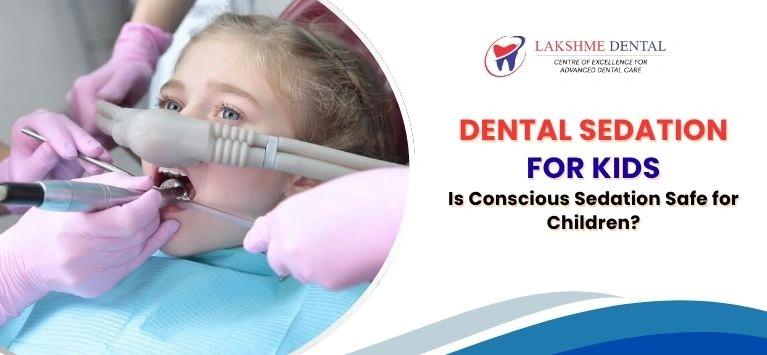
Often called laughing gas, nitrous oxide is inhaled through a small mask placed over the child’s nose. It is a mild option that can help a nervous child feel more at ease during treatment.
The child generally remains awake and responsive. Nitrous oxide is also known for having a relatively quick recovery once administration stops.
Oral Sedation
With oral sedation, medication is given by mouth before or during the planned treatment, depending on the clinical approach. It can produce a stronger calming effect than nitrous oxide, and some children may become drowsy.
Because children can respond differently to medication, the dosage and suitability need to be determined by the dental professional rather than assumed based on age alone.
Deeper Sedation or General Anesthesia
Some children may require a deeper level of sedation or general anesthesia, particularly when extensive treatment is necessary or conventional approaches are not suitable.
These are not the same as conscious sedation. Under general anesthesia, the child is completely unconscious, and the requirements for professional supervision and monitoring are different.
Is Conscious Sedation Safe for Children?
This is usually the question parents care about most.
Conscious sedation can be a safe option when the child is carefully assessed beforehand, the appropriate technique is selected, and trained professionals provide and monitor the sedation. Pediatric sedation guidelines emphasize that safety involves much more than the medication itself.
Before sedation, the dental team should review relevant health information, including medical history, allergies, medications, age, weight, and other factors that could affect the child’s response.
The dental team also considers the procedure itself and whether sedation is actually necessary. In some cases, another behavior-guidance approach may be more appropriate.
Parents should therefore discuss the benefits, possible risks, alternatives, and expected level of sedation with the dentist before treatment.
How Is a Child Kept Safe During Sedation?
Monitoring is a key part of pediatric sedation.
The child’s breathing, oxygenation, heart rate, and overall condition may be monitored according to the level of sedation being used. Appropriate equipment and trained personnel should be available to identify and respond to problems if they occur.
Safety also continues after the dental procedure. Children should be observed during recovery and should return to an appropriate level of alertness before being discharged from professional supervision.
These safeguards are important reasons why parents should choose a dental setting that follows appropriate pediatric sedation protocols.
What Should Parents Do Before and After Sedation?
Depending on the sedation technique, parents may receive specific instructions about eating and drinking before treatment. These instructions should be followed carefully. Current pediatric sedation guidance recommends appropriate fasting for elective procedures, along with a pre-sedation assessment.
Parents should also inform the dental team about any medical conditions, allergies, medications, or recent illnesses.
After treatment, some children may feel tired, sleepy, or less coordinated for a period of time. Recovery depends on the type and level of sedation used. Parents should follow the individual aftercare instructions provided by the dental team and supervise their child until they have recovered appropriately.
Is Dental Sedation Suitable for Every Child?
No. Dental sedation for children is not a one-size-fits-all solution.
A child’s health, medical history, age, behavior, anxiety, and treatment requirements all need to be considered. For some children, simple reassurance and behavior guidance may be enough, while others may benefit from sedation depending on their individual needs.
The right approach should always be decided after an individual assessment by the dental professional.
Final Thoughts
Dental anxiety can make treatment difficult for some children, but it doesn’t have to prevent them from receiving the care they need. Conscious sedation for children may help make dental visits calmer and more manageable when recommended appropriately.
If your child is very anxious about dental treatment, speak with a dental professional to understand whether sedation is suitable for them. At Lakshme Dental, we focus on creating comfortable, supportive dental experiences for children while helping parents make informed decisions about their oral health.
Frequently Asked Questions
Conscious sedation can be safe for children when the child is properly assessed and the appropriate sedation method is administered and monitored by trained dental professionals.
In most cases, conscious sedation allows the child to remain awake and responsive while feeling calmer and more relaxed during dental treatment.
There is no single age that applies to every child. The dentist considers the child’s age, health, anxiety level, treatment needs, and ability to cooperate before recommending sedation.
The most appropriate sedation method depends on the individual child and the dental procedure. Nitrous oxide is commonly used for mild anxiety, while other options may be considered when stronger sedation is necessary.
Sedation primarily helps reduce anxiety and improve cooperation. It does not necessarily eliminate pain, so the dentist may also use local anesthesia when required.
Recovery time varies depending on the type and level of sedation used. Some children may feel sleepy or less coordinated for a while afterward, so parents should follow the dental team's specific aftercare instructions.