How to Remove a Loose Tooth in Adults: What You Should Know

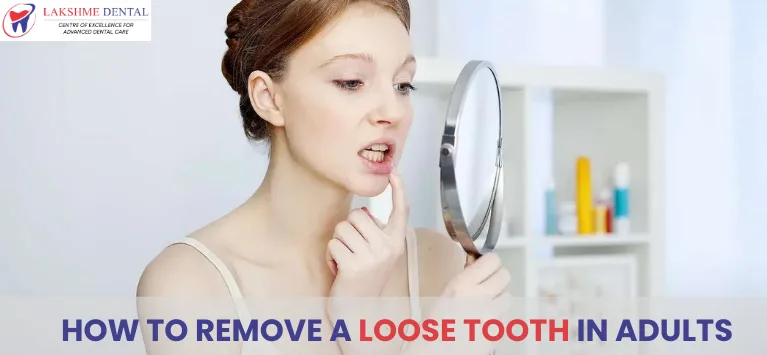
Noticing that one of your teeth has started to move can be worrying, especially as an adult. Your first instinct might be to wonder, “Can I just remove this myself?”
The answer is no. You should never try to pull out a loose permanent tooth at home.
Baby teeth are supposed to loosen and fall out as part of normal development. Permanent teeth are different. They are supported by the gums, ligaments, and jawbone, so when an adult tooth becomes loose, it usually means something is affecting the structures that keep it stable.
The good news is that a loose adult tooth doesn’t always need to be removed. Depending on the cause and how much support remains, a dentist may be able to stabilize and save it.
Why Do Adult Teeth Become Loose?
Finding the underlying cause is important because treatment depends on what’s happening beneath the surface.
Gum Disease
Gum disease is one of the most common causes of loose teeth in adults. Plaque and tartar buildup can cause inflammation and infection around the gums. As the condition progresses, it can damage the tissues and bone supporting the teeth.
You may also notice symptoms such as bleeding gums, persistent bad breath, swollen gums, or gum recession.
Injury or Trauma
A blow to the mouth can loosen a tooth, even when there is no obvious crack or damage.
Sports injuries, falls, accidents, or biting down unexpectedly on something very hard can affect the tissues around a tooth. Depending on the injury, the tooth may be stabilized and allowed to heal without needing extraction.
Teeth Grinding or Clenching
Do you grind or clench your teeth, particularly while sleeping?
Repeated pressure from bruxism can place excessive stress on the teeth and the structures supporting them. Over time, this may contribute to tooth mobility and other dental problems.
Dental Infection or Abscess
An untreated cavity or infection can sometimes spread deeper into the tooth and surrounding tissues. When an infection affects the area around the root, it can weaken the supporting structures and cause pain, swelling, or even tooth mobility.
Hormonal Changes
Hormonal changes can affect the gums and the tissues surrounding the teeth. For example, some people experience increased gum sensitivity or inflammation during pregnancy.
Hormonal changes alone don’t mean a tooth will become loose, but they can contribute to changes in gum health that may affect tooth stability.
Other Contributing Factors
Poor oral hygiene, an uneven bite, significant bone loss, and certain conditions that affect bone health can also contribute to loose teeth.
Because there can be several possible causes, it’s better to have a loose tooth examined instead of assuming that it simply needs to be pulled.
Is It Safe to Pull a Loose Adult Tooth?
No. A loose permanent tooth should not be pulled at home.
Using your fingers, dental floss, pliers, or other household objects can damage the gums and surrounding tissues. It can also cause significant bleeding, leave part of the tooth behind, increase the risk of infection, or damage nearby teeth.
How Is a Loose Tooth Treated by a Dentist?
If you notice a loose permanent tooth, schedule a dental examination as soon as possible.
Your dentist will assess how much the tooth moves and examine the gums, tooth, and surrounding structures. Dental X-rays may also be recommended to check the bone and root.
Treatment depends on the cause and how much support the tooth still has. Options may include:
- Gum disease treatment: Professional cleaning, scaling and root planing, or other periodontal treatment may be recommended when gum disease is responsible.
- Dental splinting: A loose tooth may sometimes be connected to nearby stable teeth to keep it from moving while the supporting tissues heal.
- Bite adjustment: If excessive biting pressure is contributing to the looseness, adjusting the bite may reduce stress on the tooth.
- Night guard: If teeth grinding or clenching is involved, a custom night guard may help protect the teeth from excessive pressure.
The earlier the cause is identified, the more options your dentist may have to protect the tooth.The right treatment depends on the condition of the tooth and the structures supporting it.
How Can You Protect a Loose Tooth at Home?
While home care cannot permanently tighten a loose adult tooth, you can reduce additional stress on it until you see a dentist.
- Leave the tooth alone instead of repeatedly checking it with your tongue or fingers.
- Choose softer foods and avoid hard, crunchy, sticky, or chewy foods.
- Chew on the opposite side of your mouth when possible.
- Continue brushing and cleaning between your teeth, but be gentle around the affected area.
- Rinse gently with warm salt water if your gums are irritated. You can mix about half a teaspoon of salt in a glass of warm water.
- Do not attempt to pull the tooth out yourself.
When Might a Loose Tooth Need Extraction?
A loose tooth does not automatically mean it needs to be extracted.
If enough healthy tooth structure, bone, and supporting tissue remain, your dentist may be able to stabilize and preserve it.
However, extraction may be recommended when the supporting structures are severely damaged or the tooth cannot be predictably restored.
If the tooth does need to be removed, your dentist can discuss replacement options such as:
- Dental implants
- Dental bridges
- Dentures
Replacing a missing tooth can help restore chewing function and prevent unwanted movement of nearby teeth.
Can a Loose Adult Tooth Become Firm Again?
Sometimes, yes.
A tooth that becomes loose because of trauma or excessive biting pressure may become more stable after the underlying problem is treated and the surrounding tissues have had time to heal.
When gum disease is involved, appropriate periodontal treatment and improved gum health may also help improve tooth stability.
However, the outcome depends on what caused the looseness and how much damage has already occurred. This is why getting the tooth checked early is important.
How Can You Prevent Loose Teeth?
You cannot prevent every cause of tooth mobility, but good oral care can reduce your risk.
- Brush your teeth twice a day with fluoride toothpaste.
- Clean between your teeth regularly.
- Do not ignore bleeding, swollen, or tender gums.
- Visit your dentist for routine checkups and professional cleanings.
- Wear a mouthguard during contact sports.
- Consider a night guard if you grind or clench your teeth.
- Avoid using your teeth to open packages or bite very hard objects.
- Get persistent dental pain, changes in your bite, or unusual tooth movement checked early.
Final Thoughts
A loose permanent tooth is not something you should try to remove yourself. It can be a sign of gum disease, injury, teeth grinding, infection, or another problem affecting the tooth’s support.
Getting it examined early gives you the best chance of finding the cause and exploring treatment options before the condition gets worse.
If you have noticed a loose adult tooth, don’t wait for it to fall out on its own. Schedule a dental consultation at Lakshme Dental to find out what is causing the problem and which treatment may be right for you.
Frequently Asked Questions
It depends on the cause and severity. A tooth that becomes loose after an injury, particularly with severe pain, bleeding, or displacement, should be evaluated promptly. Gradual looseness may be related to gum disease or another underlying issue and still requires timely dental attention.
No. There is no reliable home remedy that can permanently tighten a loose adult tooth. Gentle oral care can help prevent further irritation, but professional treatment is needed to address the underlying cause.
No. Gum disease is a common cause, but trauma, teeth grinding, infection, bite problems, and other factors can also cause a tooth to become loose.
Not necessarily. Depending on the cause and the amount of remaining support, treatments such as gum therapy, dental splinting, or bite adjustment may help stabilize the tooth. Extraction is generally considered when the tooth cannot be predictably saved.